DetailRig
GEAR. TESTED. REAL RESULTS.
Car Care TipsRESEARCHED3 min read

What actually controls ceramic-coating life: product type, preparation, washing, climate, contamination, and aftercare.
By Alex CarterPublished: Sep 21, 2026Updated: Sep 21, 2026
Summarize This Blog With AI
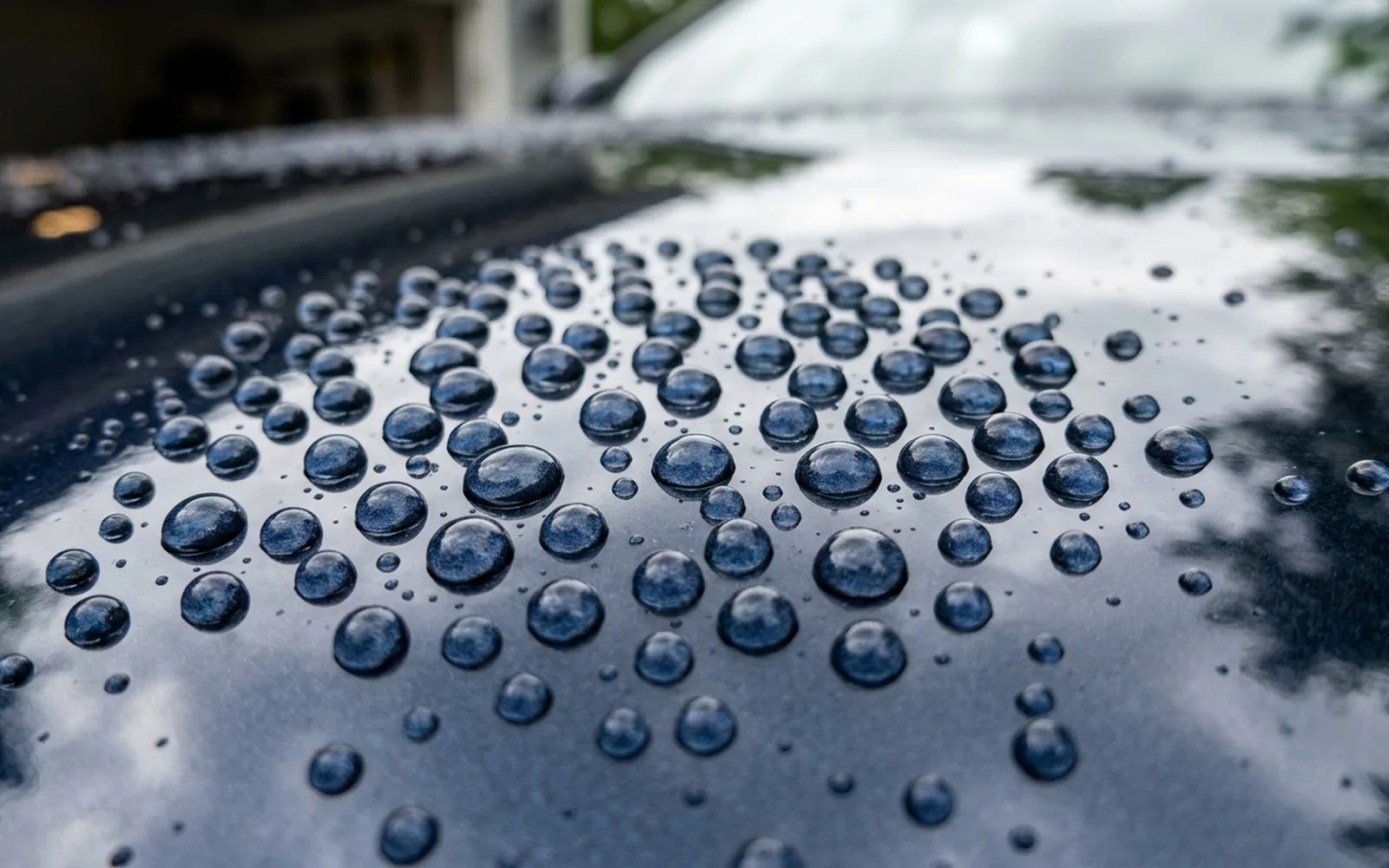
Water beading on a dark car hood after paint protection
Affiliate Disclosure: DetailRig is reader-supported. When you buy through links on our site, we may earn an affiliate commission at no extra cost to you. We evaluate products using objective testing criteria, and rankings cannot be purchased. Read our full affiliate policy.
Table of Contents(6 sections)

People search how long does ceramic coating last as if the answer were printed on a calendar. In practice, coating life is a system outcome. Product chemistry, surface preparation, cure conditions, wash chemistry, road salt, hard-water minerals, UV exposure, and contamination all change what you observe.

The honest answer

Do not treat water beading as a laboratory measure of coating thickness or protection. Hydrophobic behavior can be masked by mineral deposits or enhanced by a topper, while a coating may still be present after beading changes.

First, separate the coating types

Why durability claims are difficult to compare
Product familyWhat to verifyWhy comparisons fail
Spray ceramic or SiO2 sealantLabel interval, cure guidance, and maintenance limitsIt is often a topper or short-cycle protection product rather than a cured coating.
Consumer-applied coatingPrep, flash time, cure, and warranty conditionsApplication quality and environmental conditions can change the result.
Professional coatingInstaller process, warranty terms, and required aftercareThe package may include prep and inspection work that a DIY product does not.
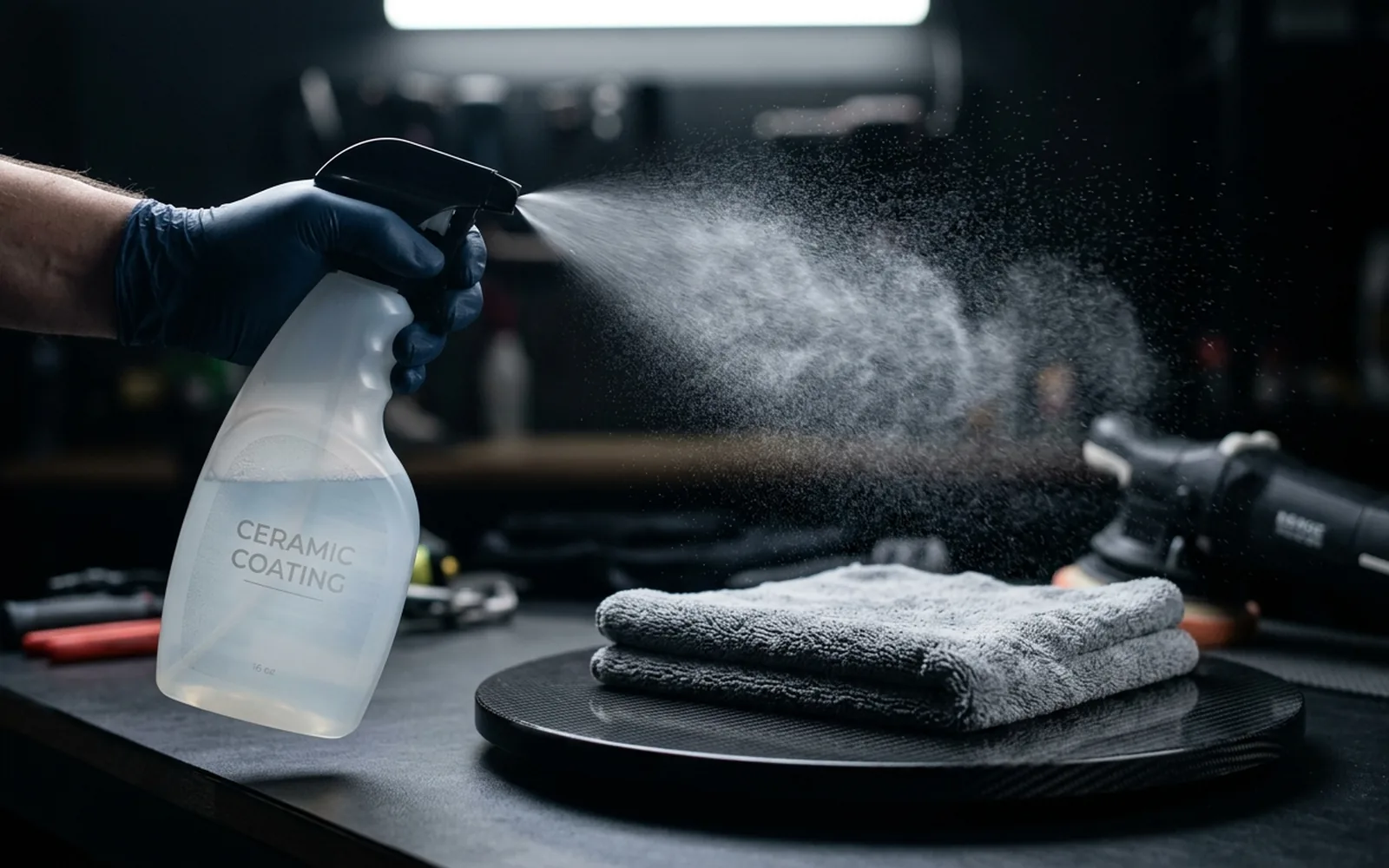
Unbranded ceramic spray coating beside a microfiber cloth
Product family and application method should be identified before comparing durability claims.

Preparation is part of the coating result

A coating bonds to the prepared surface, not to the product page. Wash, decontaminate where necessary, inspect under useful light, and correct or polish only when the paint condition justifies it. Remove residues with the product-approved panel wipe, then follow the exact application and cure instructions. If a panel is oily, contaminated, or still carrying polishing residue, the product's advertised performance is not a meaningful expectation.
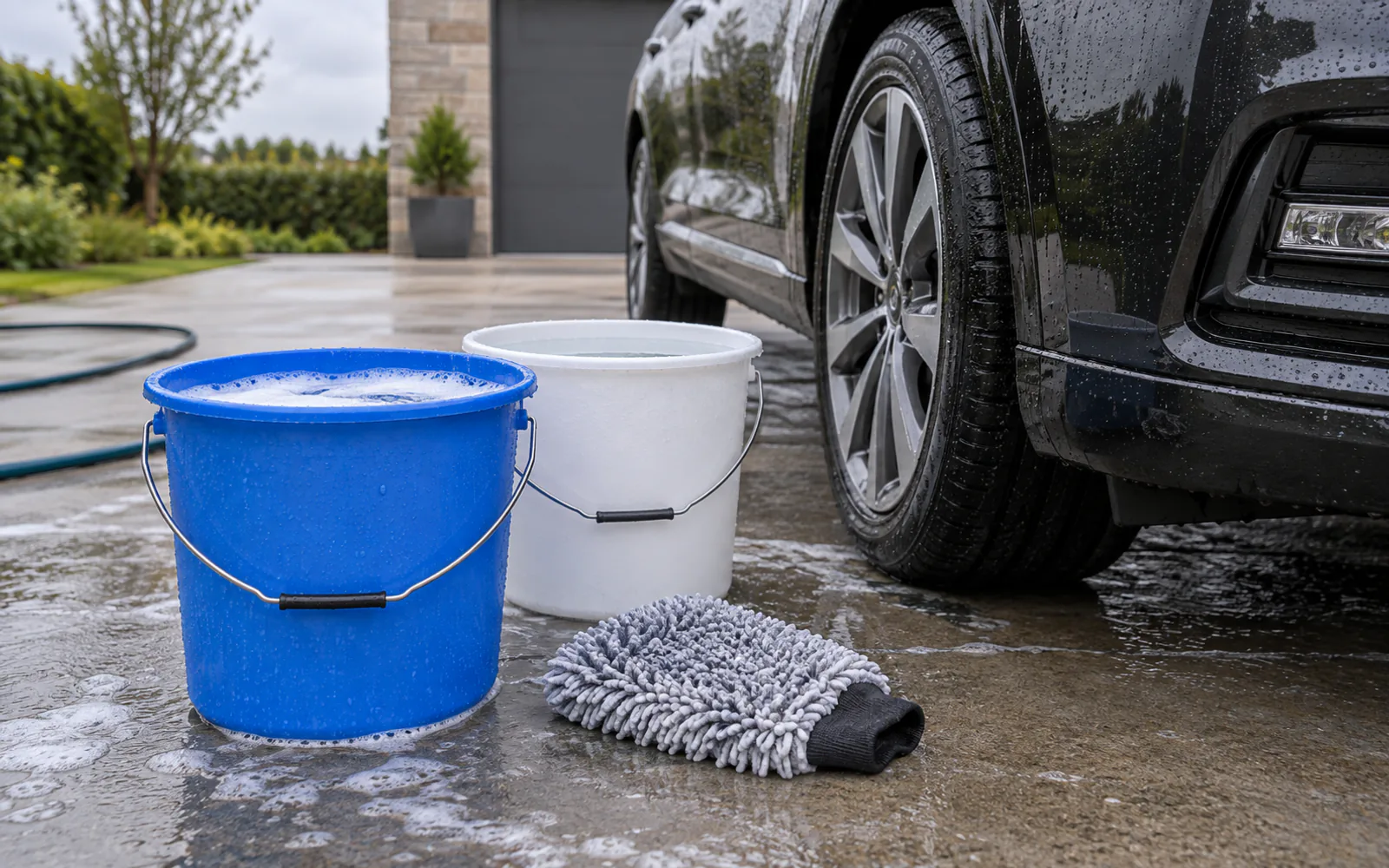
Two-bucket wash setup used for careful coating maintenance
A careful wash system is part of coating aftercare, not a separate cosmetic step.

The maintenance routine that protects the investment

Coating maintenance checklist

  1. Rinse loose grit

    Use fresh water to remove loose contamination before contact washing.

  2. Use suitable shampoo

    A pH-neutral maintenance shampoo is a sensible default when it matches the coating maker's care instructions.

  3. Keep tools clean

    Separate wheel tools from paint tools and retire towels that have picked up abrasive contamination.

  4. Control the environment

    Avoid letting soap or mineral-rich water dry on a hot panel. Shade and a complete rinse improve consistency.

  5. Inspect honestly

    If behavior changes, check for mineral film, traffic film, or contamination before assuming the coating has failed.
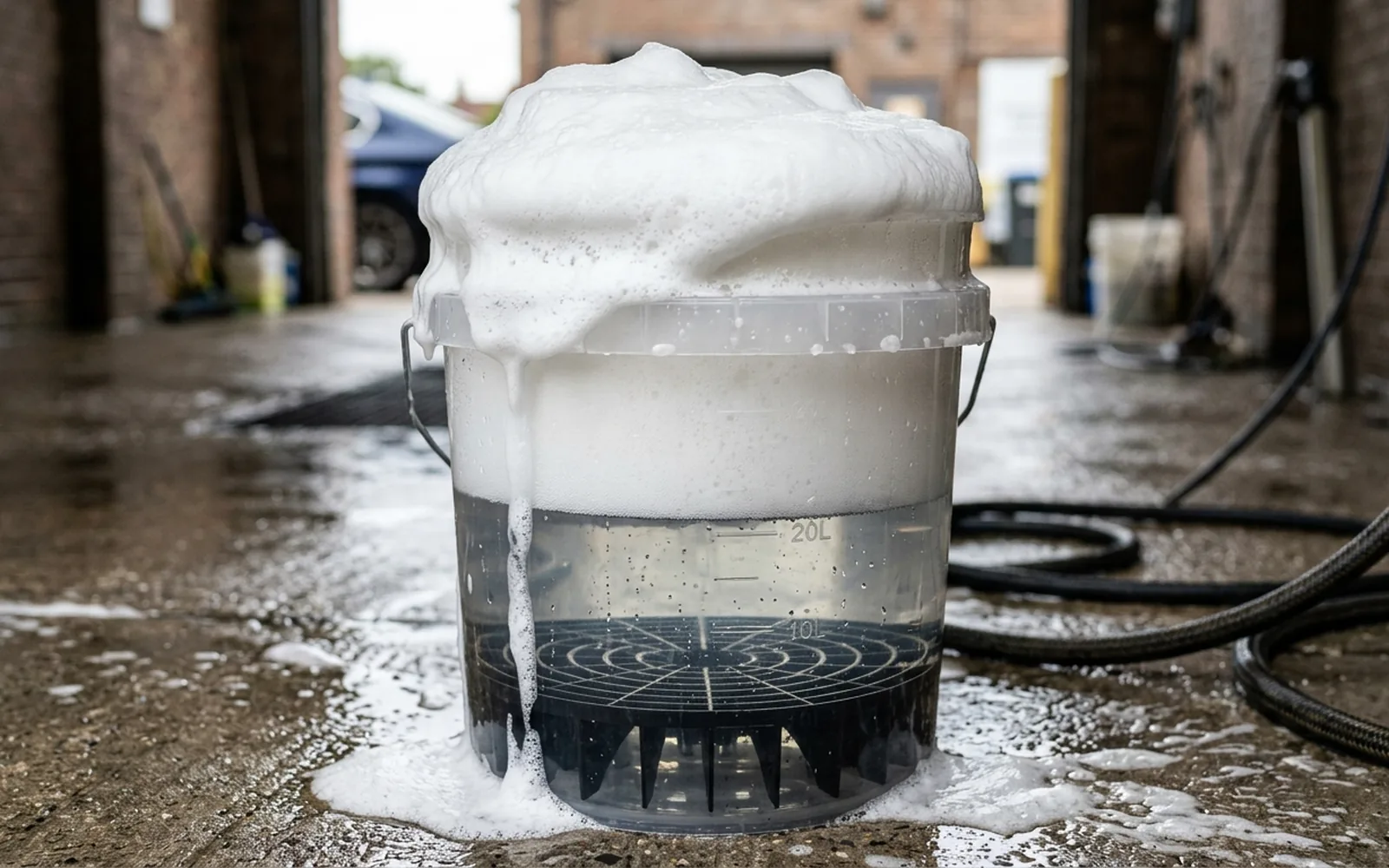
Pale car wash foam in a clear bucket for coating-safe maintenance
Routine shampoo choice should follow the coating maker's care guidance.

USA and UK climate differences to plan for

A UK vehicle may see frequent rain, road film, hard-water spotting, and winter grit. A US vehicle may see stronger sun, road salt, dust, pollen, heat, or long highway contamination depending on region. The right maintenance interval is therefore local: wash before contamination bakes on, adapt to water quality, and avoid transferring a single climate's schedule to every driver.
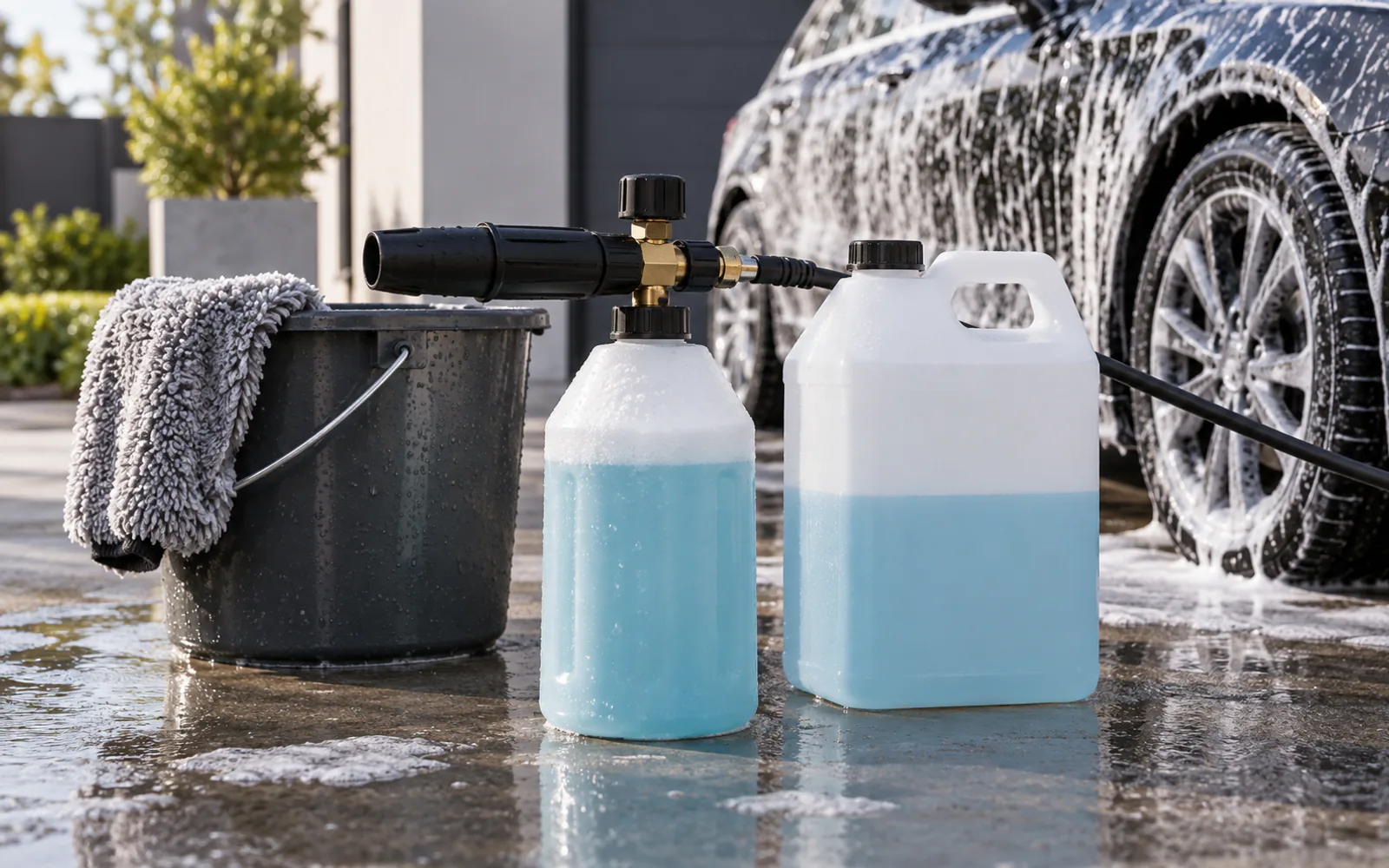
Foam lance and wash container ready for a coating maintenance wash
Pre-wash helps reduce contact with loose contamination, but it does not replace careful rinsing.

Reasons to buy and reasons to skip

Buy ceramic protection when easier maintenance, water behavior, and a defined care routine are valuable to you. Skip it when you want a permanent shield from stone chips, deep scratches, or poor washing technique; ceramic coating is not paint-protection film, and it does not make a vehicle damage-proof.
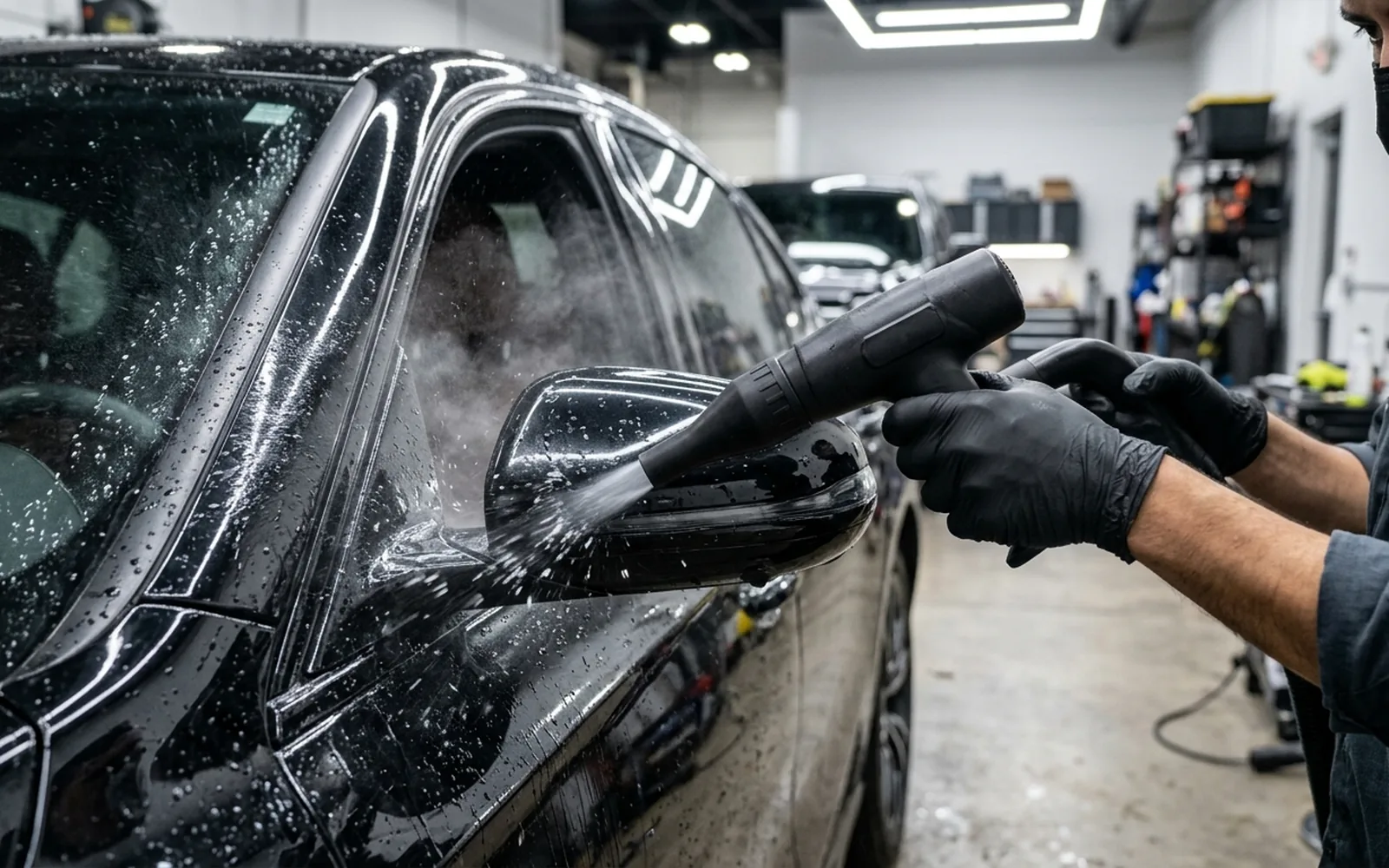
Air blower removing trapped water from car mirror trim during drying
Drying technique and water quality can change the visible condition of protected paint.

Straight answers

Frequently Asked Questions

Key questions answered with verifiable test evidence and methodology.

How long does ceramic coating last on a car?

There is no single verified lifespan for every coating. Compare the exact product, prep requirements, warranty terms, climate, wash routine, and whether a topper is being used.

Does ceramic coating protect against scratches?

Ceramic coating can add chemical and environmental resistance, but it is not a guarantee against scratches, stone chips, or improper washing. Paint-protection film serves a different purpose.

What soap should I use on ceramic coating?

Use the coating maker's recommended shampoo. A pH-neutral maintenance soap is a common starting point, but contamination and aftercare instructions still matter.

Does water beading prove the coating is still working?

No. Beading is a visible behavior, not a direct measurement of coating thickness. Mineral deposits, dirt, and toppers can change the appearance.

Can I ceramic coat a car in the UK or USA outdoors?

Only if the product instructions allow it and you can control surface temperature, dust, moisture, cure time, and shelter. Many products are safer to apply in a controlled environment.

Where to buy

Recommended Gear in this Guide

Objective test criteria
Pressure WasherTop Tested Detailing Rig

Active 2.0 1800 PSI 2.0 GPM Pressure Washer

Our lab-tested standard for safe automotive flow and pressure.

Foam CannonDense Suds Pre-Wash

MTM Hydro PF22.2 Foam Cannon

The benchmark standard for uniform foam density and durability.

DetailRig is reader-supported. We test independently and never accept paid placement. When you buy through our links, we may earn an affiliate commission at no extra cost to you.

References & Sources

  • https://carpro.global/product/reset/
  • https://www.drbeasleys.com/wp-content/uploads/2025/08/ceramic-coating-care-checklist.pdf
  • https://ceramicpro.com/wp-content/uploads/2024/07/Coating-AftercareWarranty-7_24.pdf
  • https://support.google.com/trends/answer/4365533?hl=en
Topics:Ceramic CoatingCeramic Spray CoatingCar Paint ProtectionCARPRO ResetPaint PreparationWater Spotting
Alex Carter

Alex Carter

Verified Tester

DetailRig Editorial Contributor

Updated: 2026-09-21

Maintains researched car-care explainers and product profiles. Professional credentials are withheld until the publisher receives supporting documentation.
Professional credentials pending publisher verification

Where to Buy Tested Gear

Pressure Washer Verified

Active 2.0 1800 PSI 2.0 GPM Pressure Washer

Check price at Amazon
Foam Cannon Verified

MTM Hydro PF22.2 Foam Cannon

Check price at Amazon

Plan the maintenance before the coating

Use the paint-protection guides to choose a process you can maintain in your climate.

Explore paint protection
Editorial Support & Corrections

Have a specific detailing question about this procedure, or want to suggest an updated spec or tool comparison?

Contact our editorial desk

Keep reading

All articles

Detailing answers

Frequently asked questions about car detailing

Clear answers to common car detailing, washing, interior-care, and paint-protection questions.

What is car detailing?

Car detailing is the careful cleaning, decontamination, and protection of a vehicle’s interior and exterior. The process can include a wash, wheel and tire care, interior cleaning, paint decontamination, polishing, and a protectant; the right steps depend on the vehicle and finish.

What products do I need for car detailing at home?

Start with car wash soap, wash media, microfiber towels, wheel cleaner, an interior cleaner, and a vacuum. Add a pressure washer, foam cannon, polisher, or paint protection only when the task and your skill level justify them.

What car wash soap should I use?

Choose a soap made for automotive paint with clear dilution instructions. A pH-neutral car soap is a common starting point for routine maintenance, but the best choice depends on the coating, soil, wash method, and manufacturer guidance. Avoid household dish detergent on vehicle finishes.

How much PSI is needed to wash a car?

There is no single PSI target for every vehicle or washer. Use the lowest pressure and widest practical spray pattern that removes soil safely, keep the nozzle moving, and follow the washer and vehicle-maker guidance. Pressure, nozzle, distance, and technique all affect risk.

What is a foam cannon used for?

A foam cannon meters car wash solution into a pressure-washer stream to apply cleaning foam. It can help pre-soak and loosen loose soil before contact washing, but foam alone does not replace a careful rinse and wash.

How do I clean a car interior?

Remove loose items and vacuum first, then clean one material at a time with a compatible product and a lightly damp microfiber or brush. Test an inconspicuous area, avoid over-wetting electronics and upholstery, and follow the material and product instructions.

What is paint correction?

Paint correction is the controlled polishing of a vehicle’s clear coat to reduce the appearance of defects such as swirls or light scratches. It removes some material, so inspect the finish, use the least aggressive effective method, and treat deep defects as a professional-risk decision.

How do I choose a dual-action polisher?

Compare the machine’s throw, speed control, ergonomics, backing-plate compatibility, power, and support—not just the wattage. Beginners generally benefit from predictable control and manageable balance; pad and compound choice also change the result.

How long does ceramic coating last?

Ceramic-coating durability depends on the formulation, preparation, layers, exposure, maintenance, and manufacturer instructions. Treat a stated lifespan as a manufacturer claim unless DetailRig has documented evidence, and plan regular washing and inspection rather than assuming permanent protection.

What should I look for in car detailing products?

Match the product to the surface, soil, tool, and task; check dilution, compatibility, safety directions, and aftercare. DetailRig labels evidence as TESTED, USED, RESEARCHED, or MANUFACTURER-CLAIM so readers can distinguish hands-on evaluation from source-based or maker-provided information.