Plan a home detailing garage around water, power, drainage, lighting, storage, weather, and the tools you will really use.
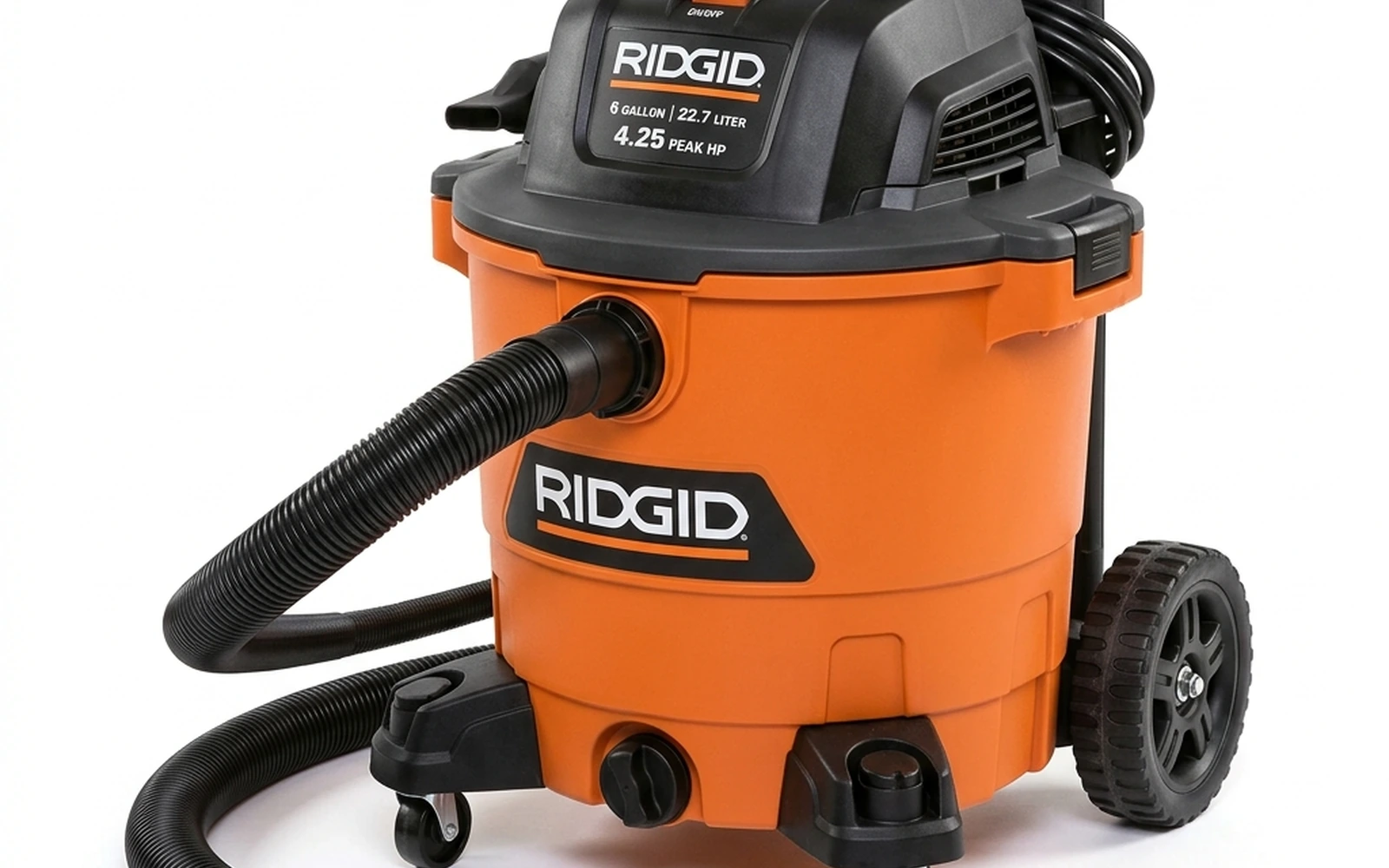
Table of Contents(7 sections)
- • Start with the workflow, not the shopping cart
- • The six infrastructure decisions
- • Equipment order: buy the bottleneck first
- • Pressure washer decisions: PSI is not the whole setup
- • USA and UK differences to account for
- • Reasons to buy and reasons to skip a full garage build
- • Frequently Asked Questions
Search interest for detailing garage setup is smaller than broad car detailing terms but the intent is unusually practical: people are planning a space, not browsing randomly. The best home setup is not the one with the most equipment. It is the one that makes washing, drying, interior work, and storage repeatable without creating electrical, drainage, moisture, or access problems.
Safety first
Follow local electrical, water, drainage, ventilation, and tenancy rules. In the USA and UK, climate and building requirements differ; this checklist is planning guidance, not an installation approval or electrical specification.
Start with the workflow, not the shopping cart
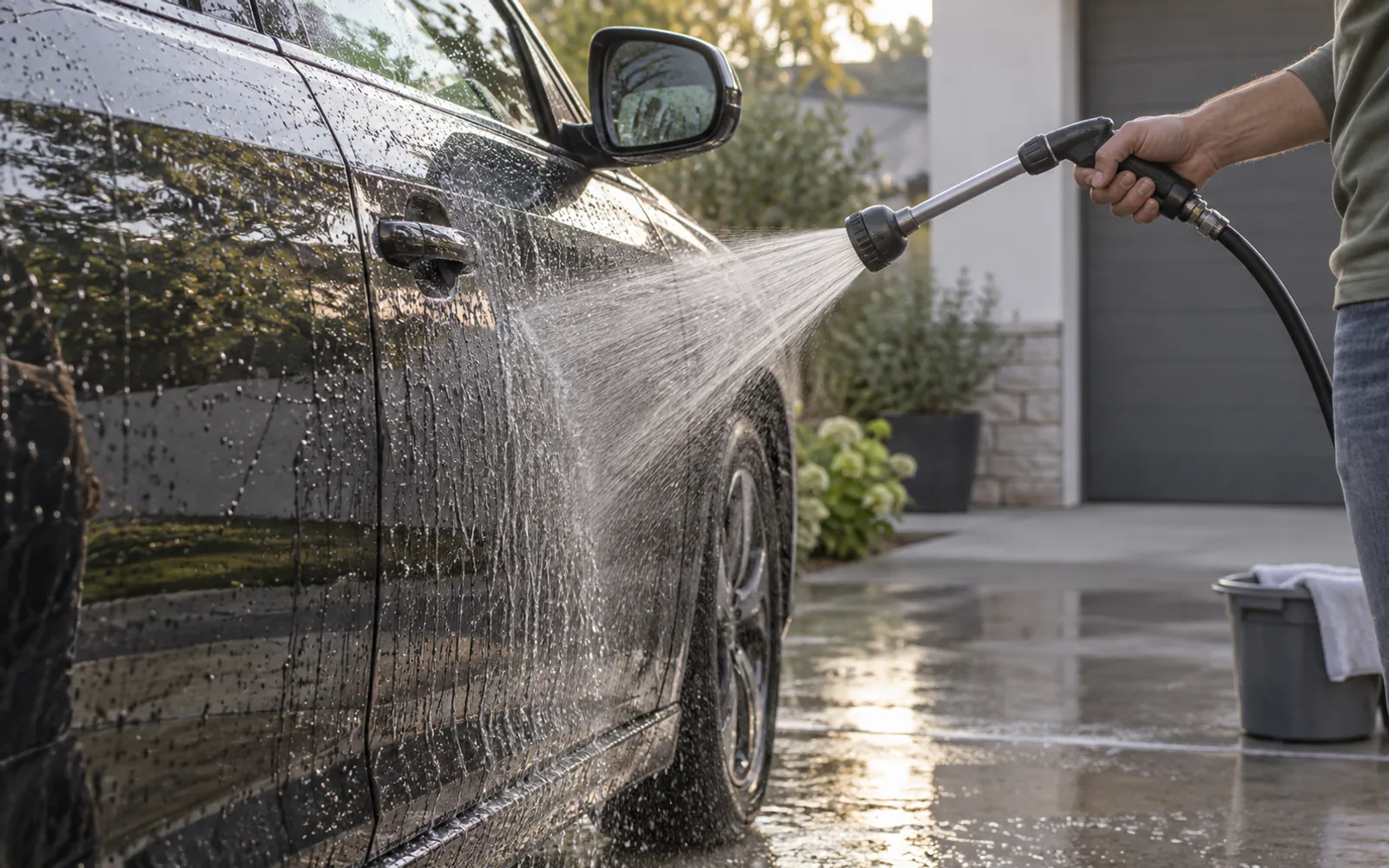
Map the job from dirty arrival to clean storage: rinse, foam, contact wash, rinse, dry, wheels, interior, then towel and chemical cleanup. Keep dirty tools near the wash path, clean towels in a dry cabinet or sealed bin, and power cables away from standing water. If the space cannot support that sequence, a bigger machine will not fix it.
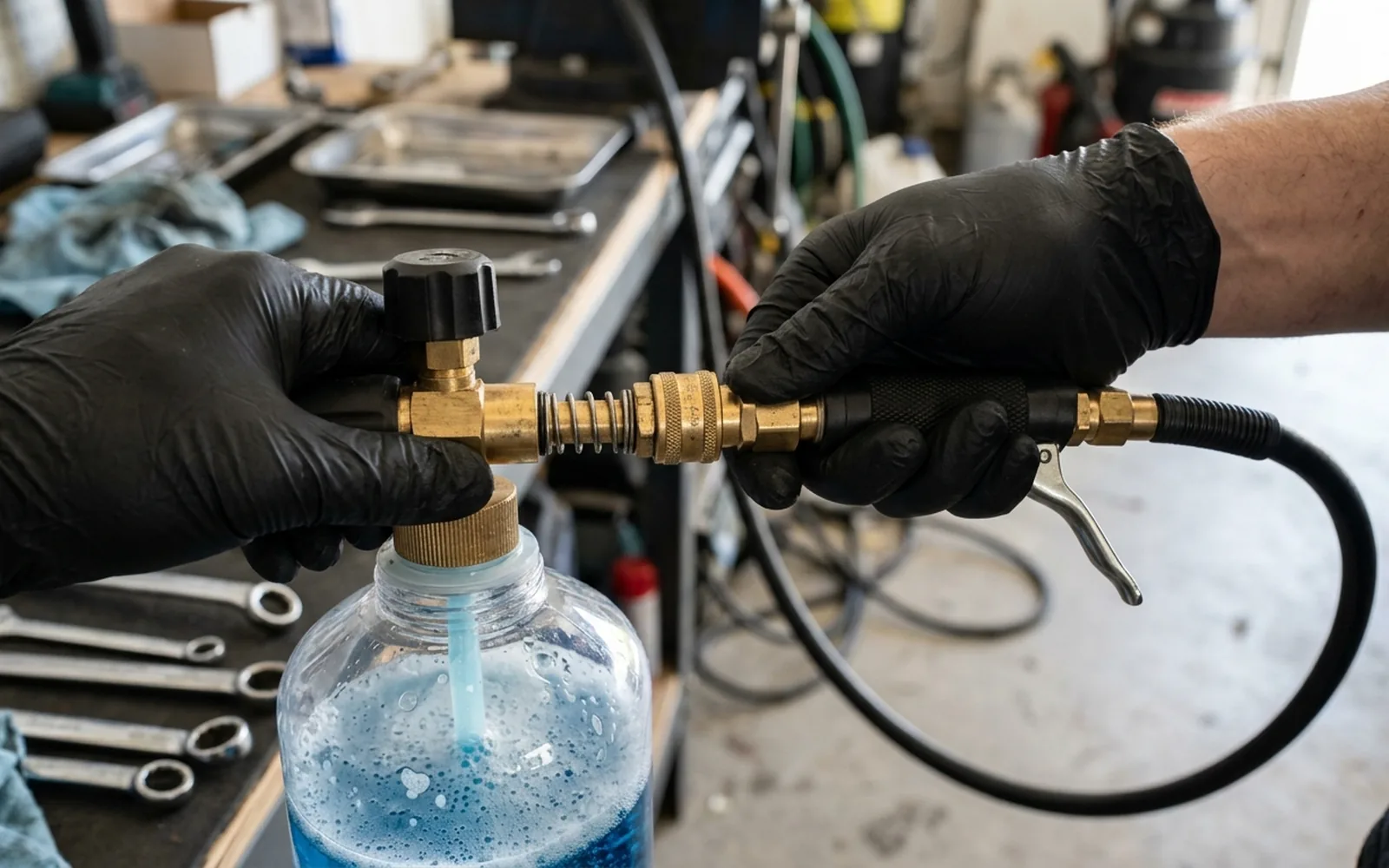
The six infrastructure decisions
| Area | Plan for | Common mistake |
|---|---|---|
| Water | Hose reach, filtration where needed, shut-off access, and a place to drain or contain runoff | Buying a high-pressure machine without solving the water route. |
| Power | Safe outlets, cable reach, load awareness, and dry storage for connections | Running multiple high-load tools through an unsuitable extension arrangement. |
| Lighting | Broad ambient light plus directional inspection light | Relying on one ceiling light that hides swirls and residue. |
| Floor and drainage | Slip control, water management, and local compliance | Allowing wash water to migrate into a home, public drain, or neighbor's property. |
| Storage | Separate clean towels, used towels, chemicals, pads, and hoses | Stacking clean media beside wet or contaminated tools. |
| Weather | Shade, wind control, ventilation, and seasonal temperature changes | Planning a setup that only works on a mild, dry day. |
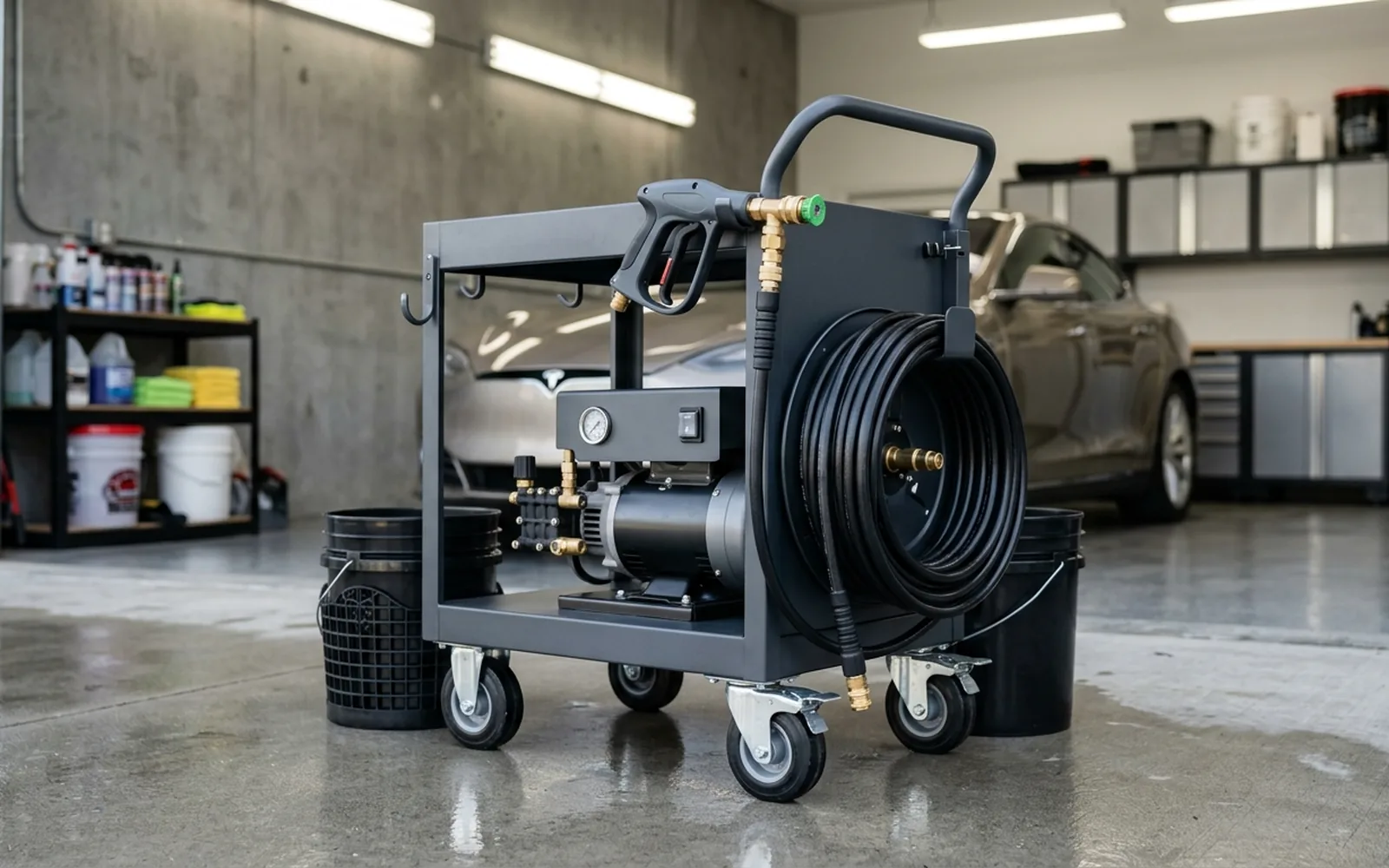
Equipment order: buy the bottleneck first
Build order for a home detailing setup
Containment and access
Solve where the car sits, where water goes, and how you will move around all four sides.
Towels and basic wash tools
A small set of clean, separated media is more useful than a shelf of duplicate chemicals.
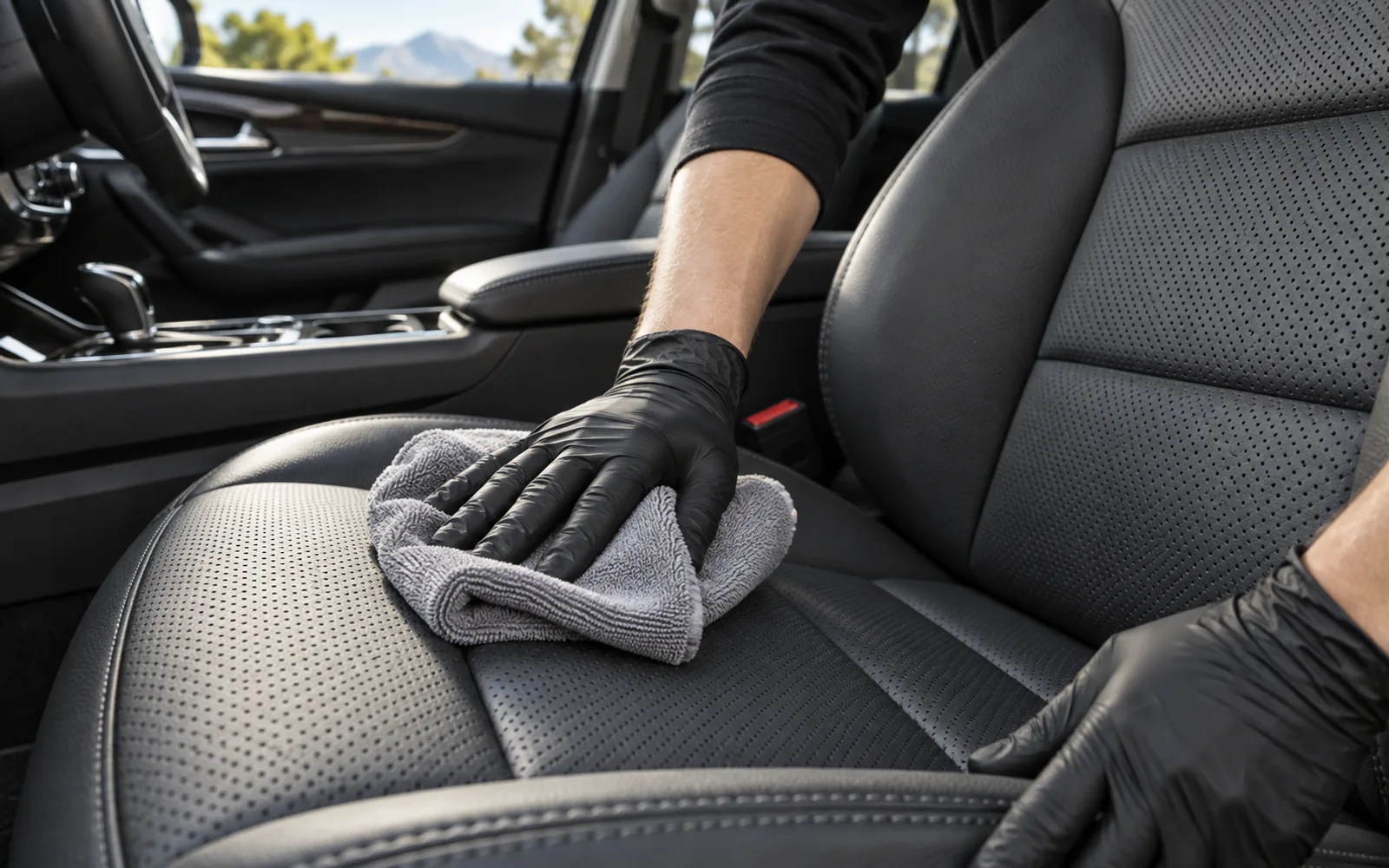
Vacuum and interior tools
Add the tool that removes the most time from your current workflow, especially if interior cleaning is your regular job.
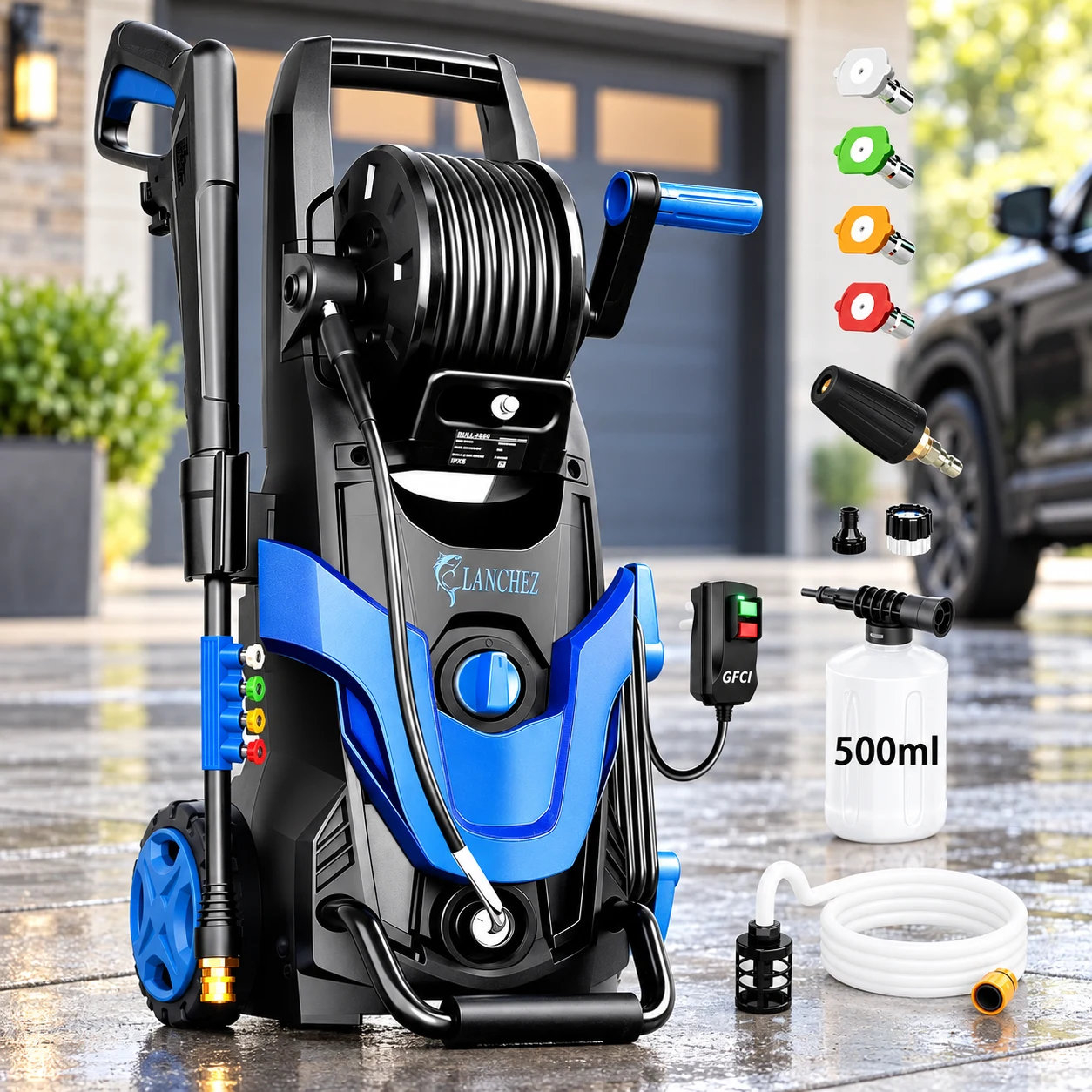
Pressure washer and foam system
Choose after confirming water supply, electrical capacity, hose reach, fittings, and storage.
Polisher or dryer
Buy only after you have inspection lighting, a protected work area, and enough time to learn the process.
Pressure washer decisions: PSI is not the whole setup
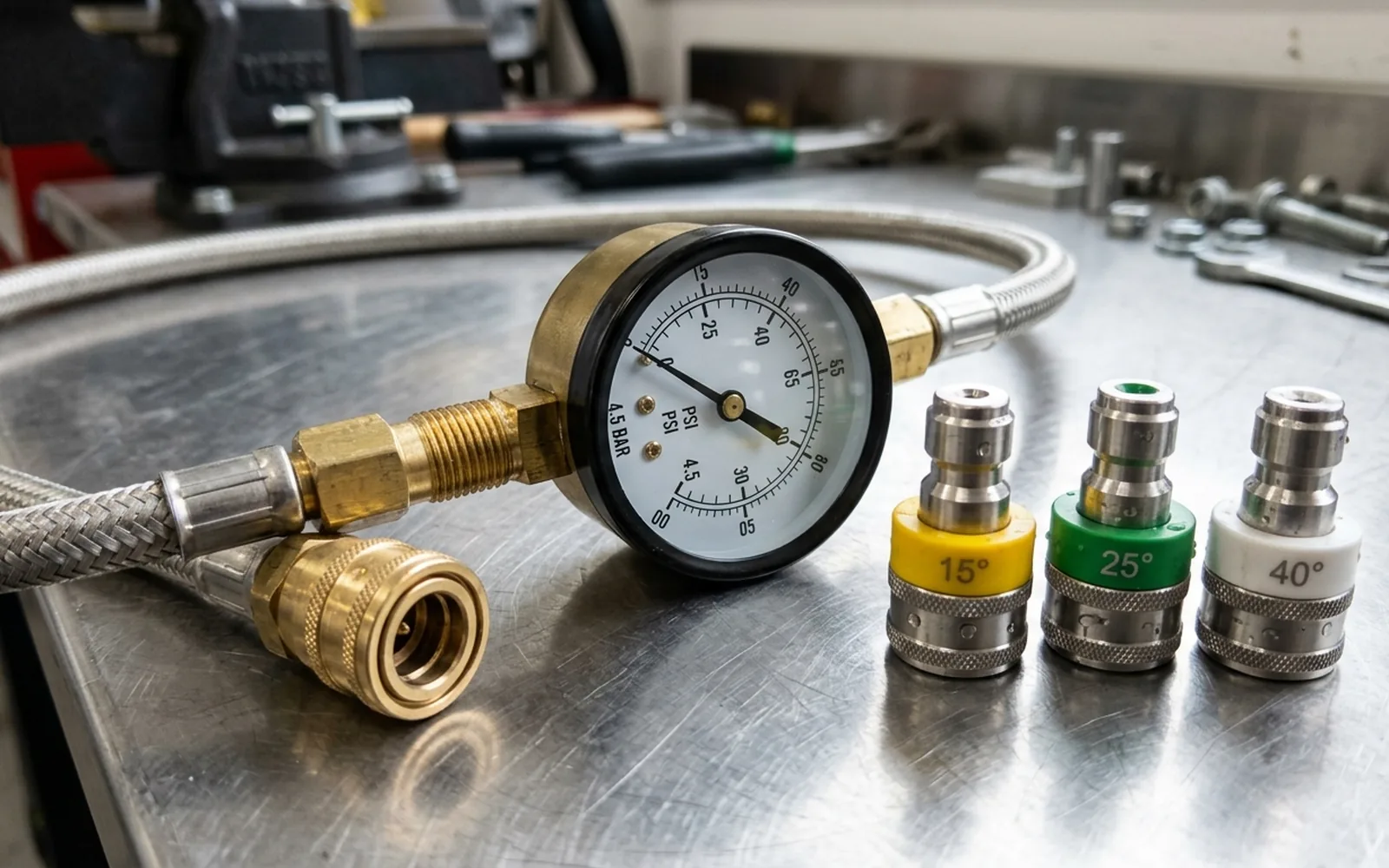
For car washing, working pressure, flow, nozzle choice, stand-off distance, and technique all interact. A published maximum PSI number does not describe the pressure at the panel during your real wash. Plan hose length, quick-connect compatibility, water supply, and a gentle rinse option before choosing a machine around a headline specification.
USA and UK differences to account for
In the USA, garage dimensions, 120 V electrical layouts, regional heat, dust, and winter salt vary widely. In the UK, compact garages, 230 V systems, rain, hard water, and tighter drainage constraints are common planning considerations. Verify local requirements with a qualified professional and choose weather-resistant storage when the setup is not fully enclosed.
Reasons to buy and reasons to skip a full garage build
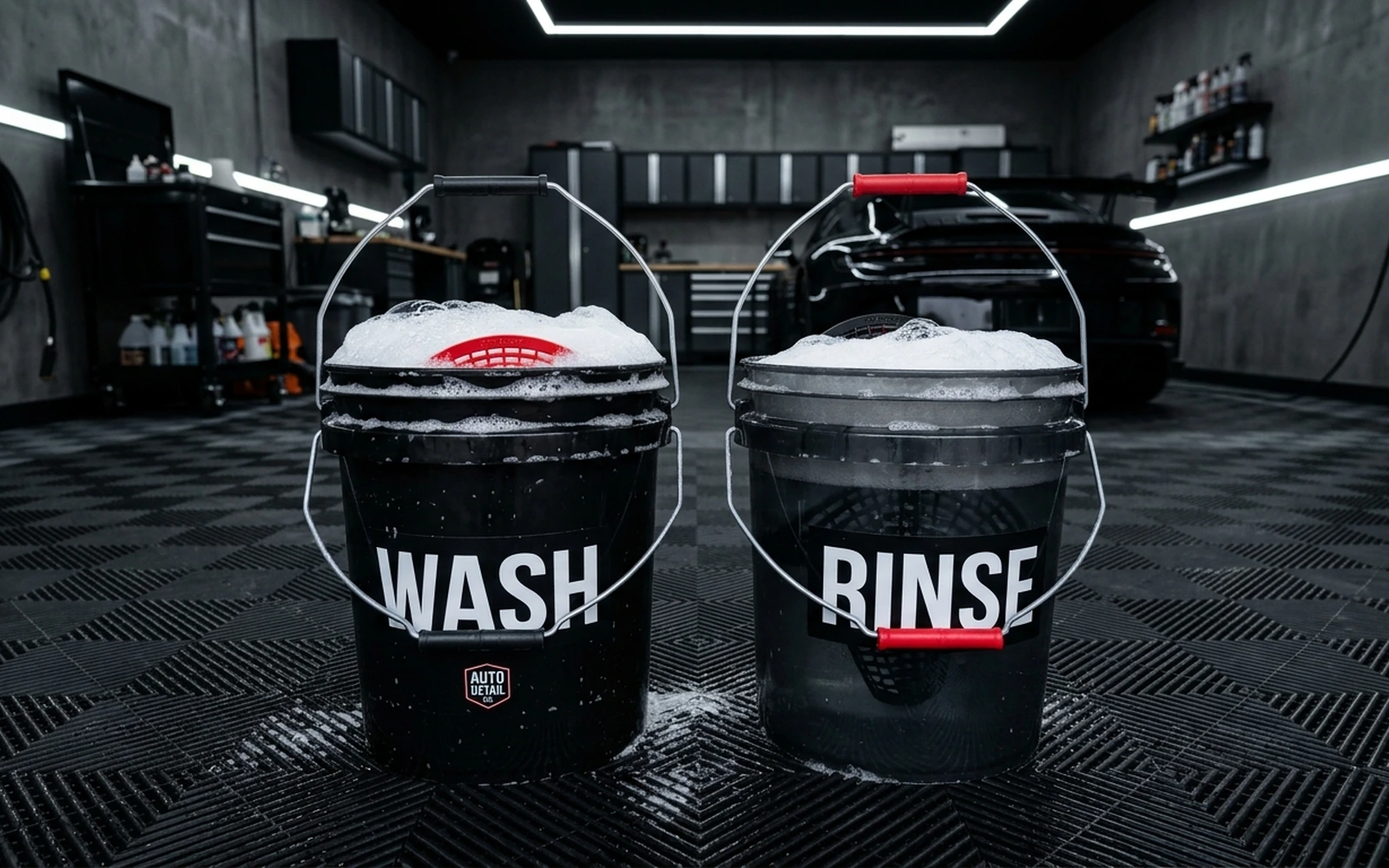
Invest in a dedicated setup when you wash or detail often enough to benefit from shorter setup time, better storage, and controlled lighting. Skip a full build when you rent, rarely wash at home, cannot manage runoff, or would need unsafe electrical changes. A portable cart and dry storage can be the more durable solution.
Straight answers
Frequently Asked Questions
Key questions answered with verifiable test evidence and methodology.
What do I need for a home detailing garage?
Start with water control, safe power, lighting, storage, towels, wash tools, and a vacuum. Add a pressure washer, foam cannon, dryer, or polisher after the space supports the workflow.
Is a garage floor drain required for detailing?
Not always, but you need a safe, legal plan for water and runoff. Requirements differ by property and location, so check local rules before washing indoors.
What is the best pressure washer for a home detailing setup?
Choose by real working pressure, flow, hose reach, fittings, electrical compatibility, storage, and support—not the maximum PSI printed on the box alone.
Can I detail a car in a small UK garage?
Yes, if you can open doors safely, reach the panels, control water, ventilate, and store wet tools separately. A compact cart may be more useful than fixed equipment.
Should I buy a polisher before a pressure washer?
Usually solve washing, inspection lighting, and safe storage first. A polisher needs a clean, controlled work area and a defined correction goal.
Where to buy
Recommended Gear in this Guide
Active 2.0 1800 PSI 2.0 GPM Pressure Washer
Our lab-tested standard for safe automotive flow and pressure.
MTM Hydro PF22.2 Foam Cannon
The benchmark standard for uniform foam density and durability.
DetailRig is reader-supported. We test independently and never accept paid placement. When you buy through our links, we may earn an affiliate commission at no extra cost to you.
References & Sources
- • https://support.google.com/google-ads/answer/7337243?hl=EN-GB
- • https://support.google.com/trends/answer/4365533?hl=en
- • https://www.chemicalguys.com/blogs/exterior-how-tos/top-5-foam-cannon-tips-and-tricks

Marcus Vance
Verified TesterDetailRig Editorial Contributor
Maintains equipment evaluations, methodology notes, and garage-workflow coverage. Professional credentials are withheld pending publisher verification.