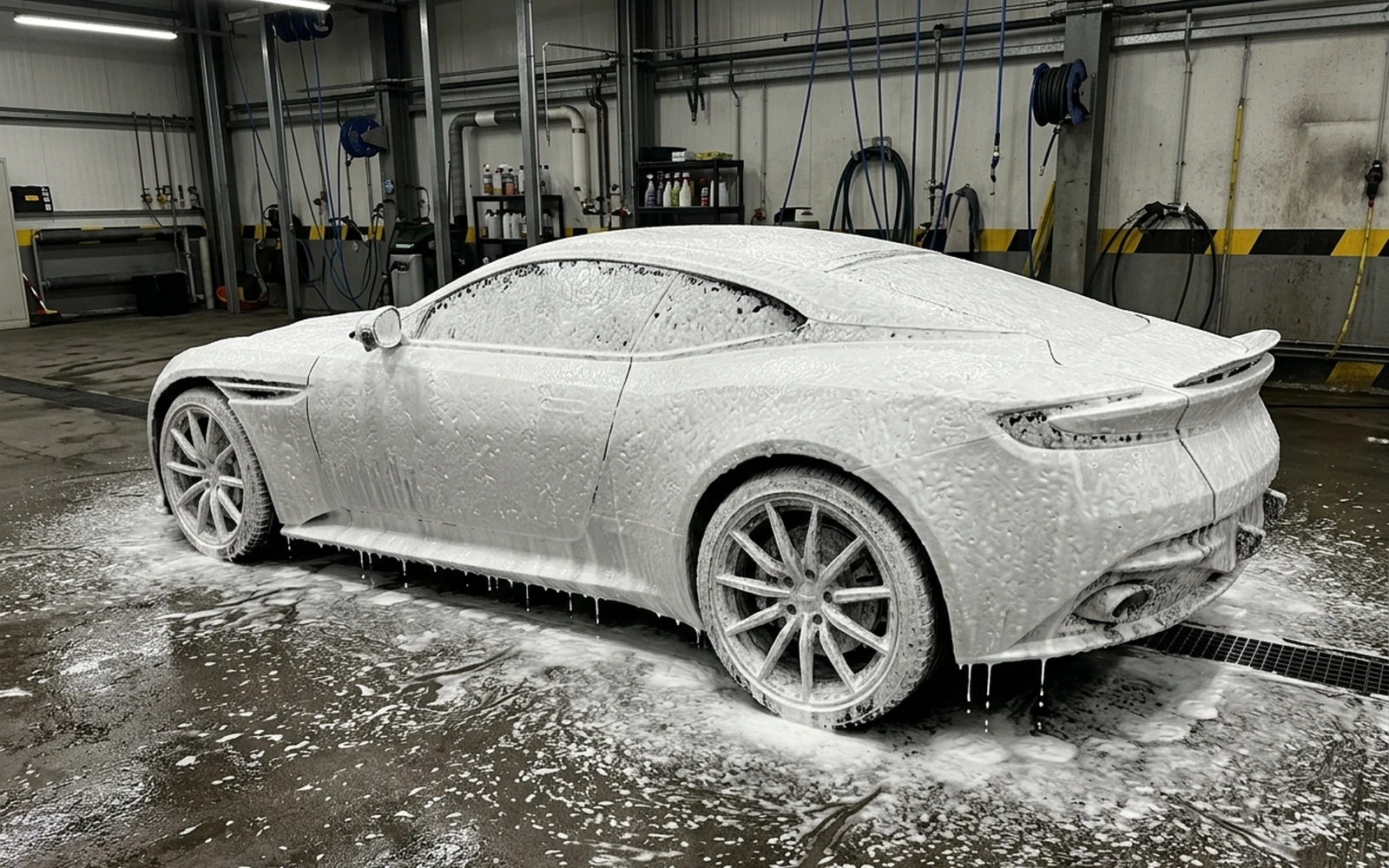
Car Pre-Wash Order: Rinse, Foam, Contact Wash
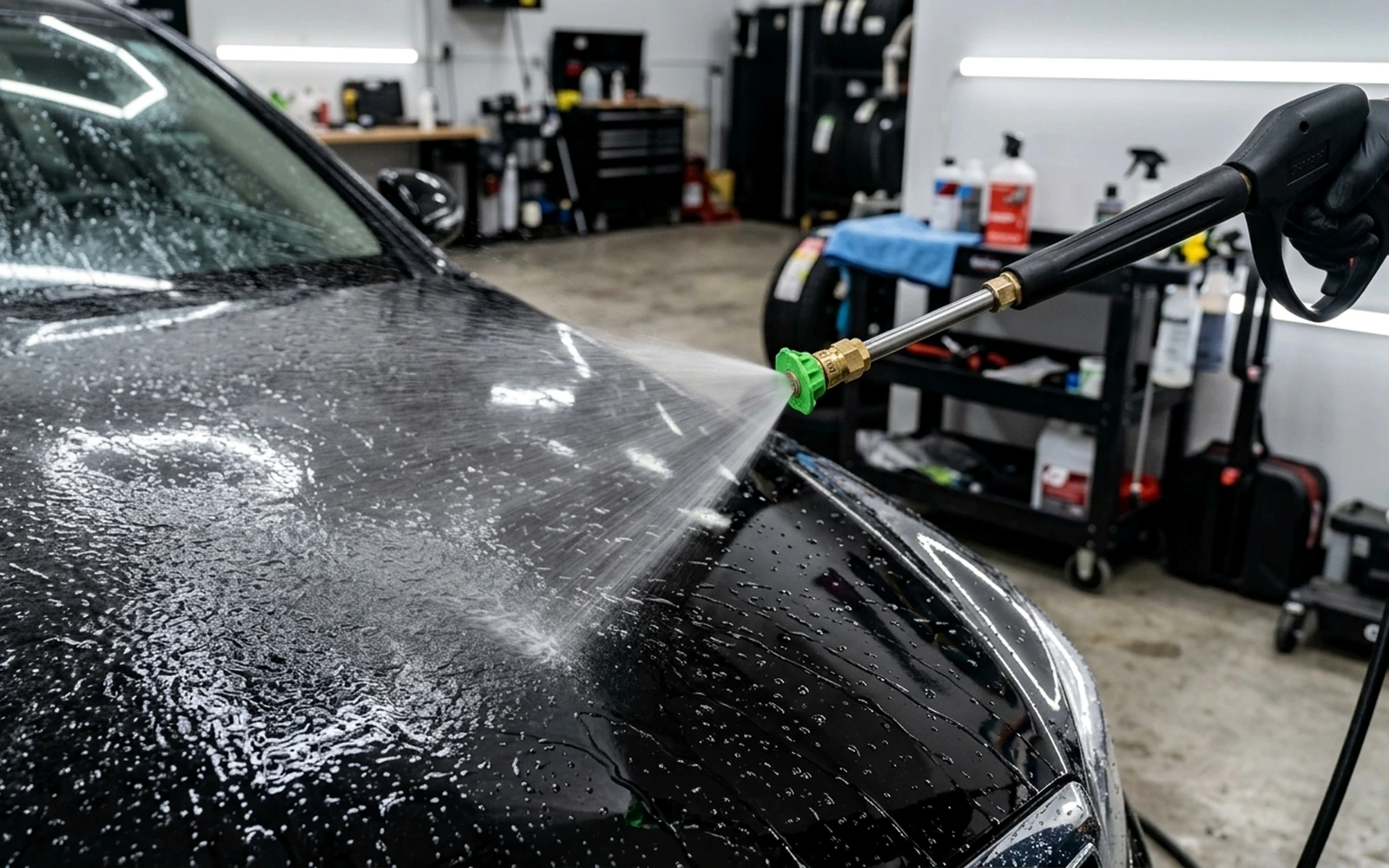
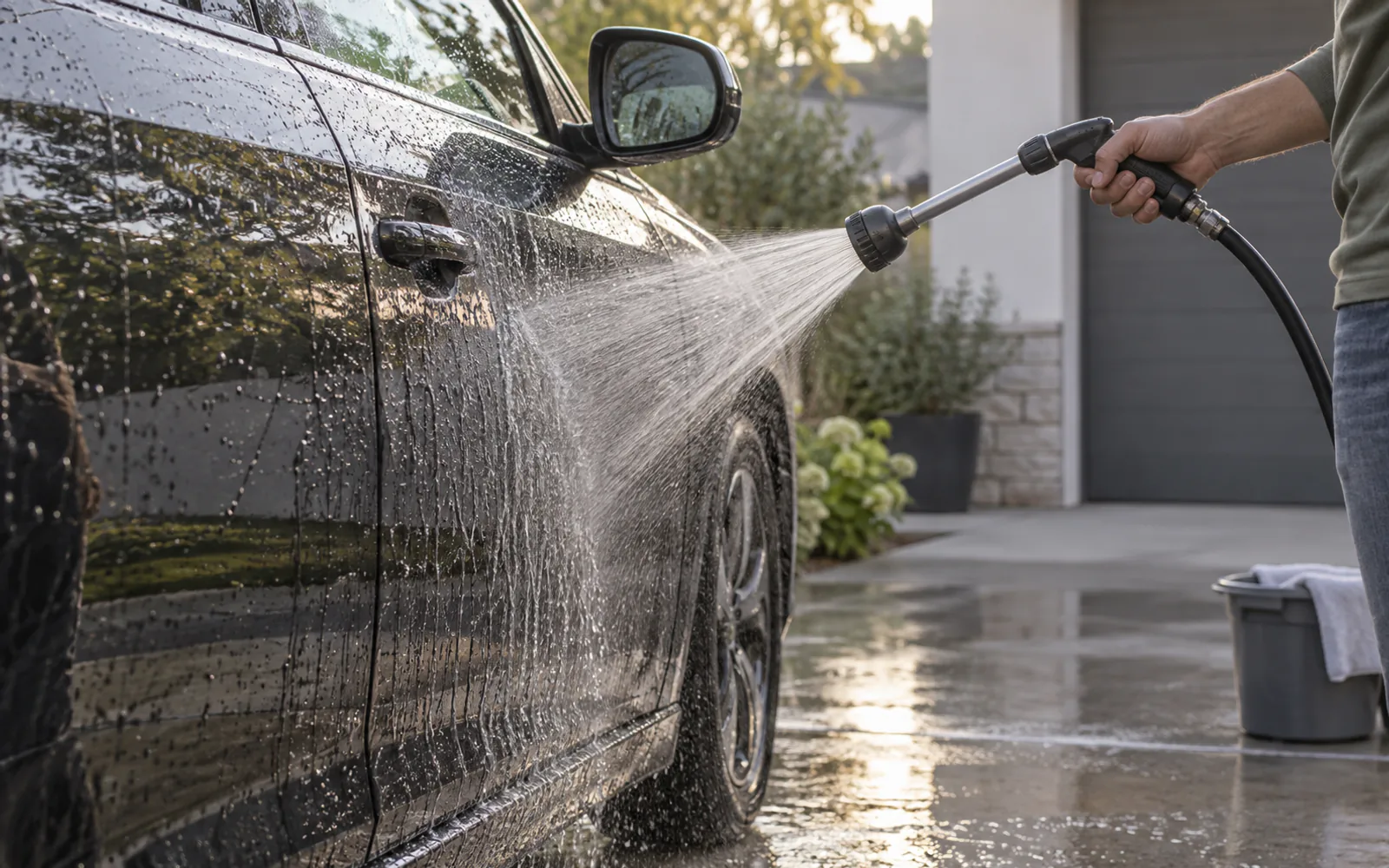
A controlled pre-wash loosens and removes coarse dirt before the mitt touches paint. Rinse, apply compatible cleaner, rinse again, then contact wash.

Research publication
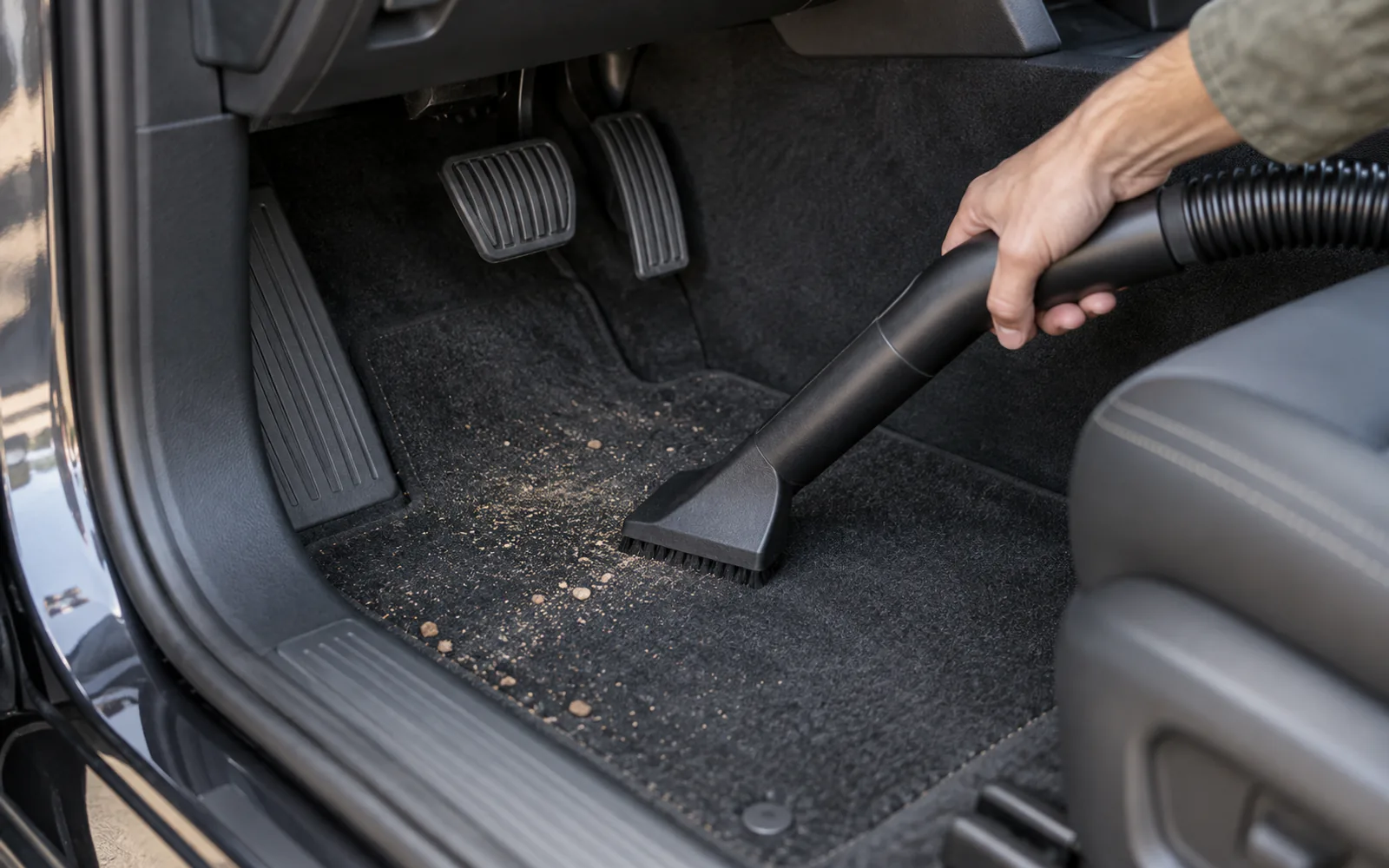
Step-by-step detailing guides: washing, decontamination, foam cannons, pressure washers, and paint-safe technique from the DetailRig garage.
A controlled pre-wash loosens and removes coarse dirt before the mitt touches paint. Rinse, apply compatible cleaner, rinse again, then contact wash.
Research publication
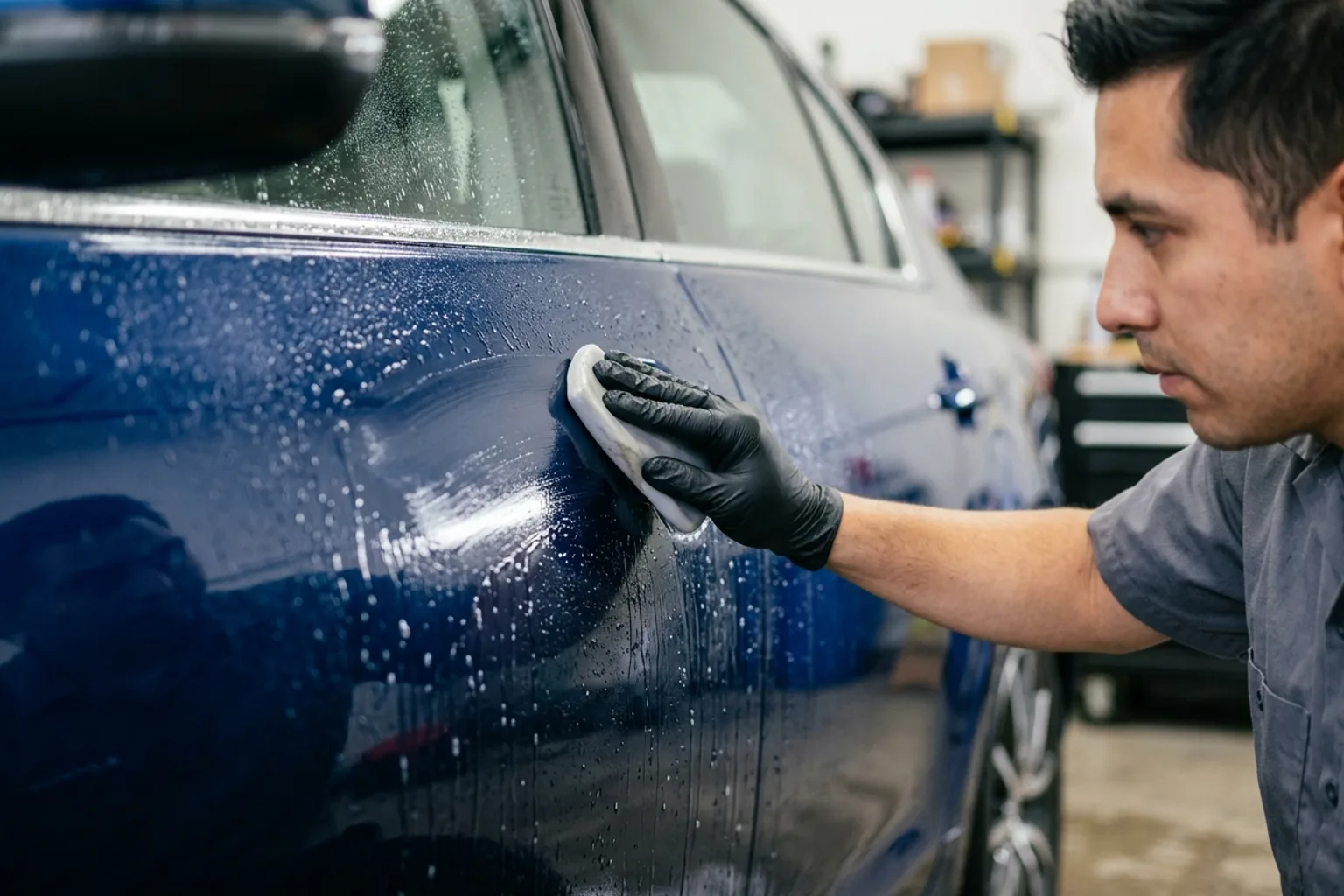
A crevice tool, upholstery nozzle, and soft brush solve different cabin jobs. Match the attachment to the surface before adding more motor power or scrubbing.
Research publication
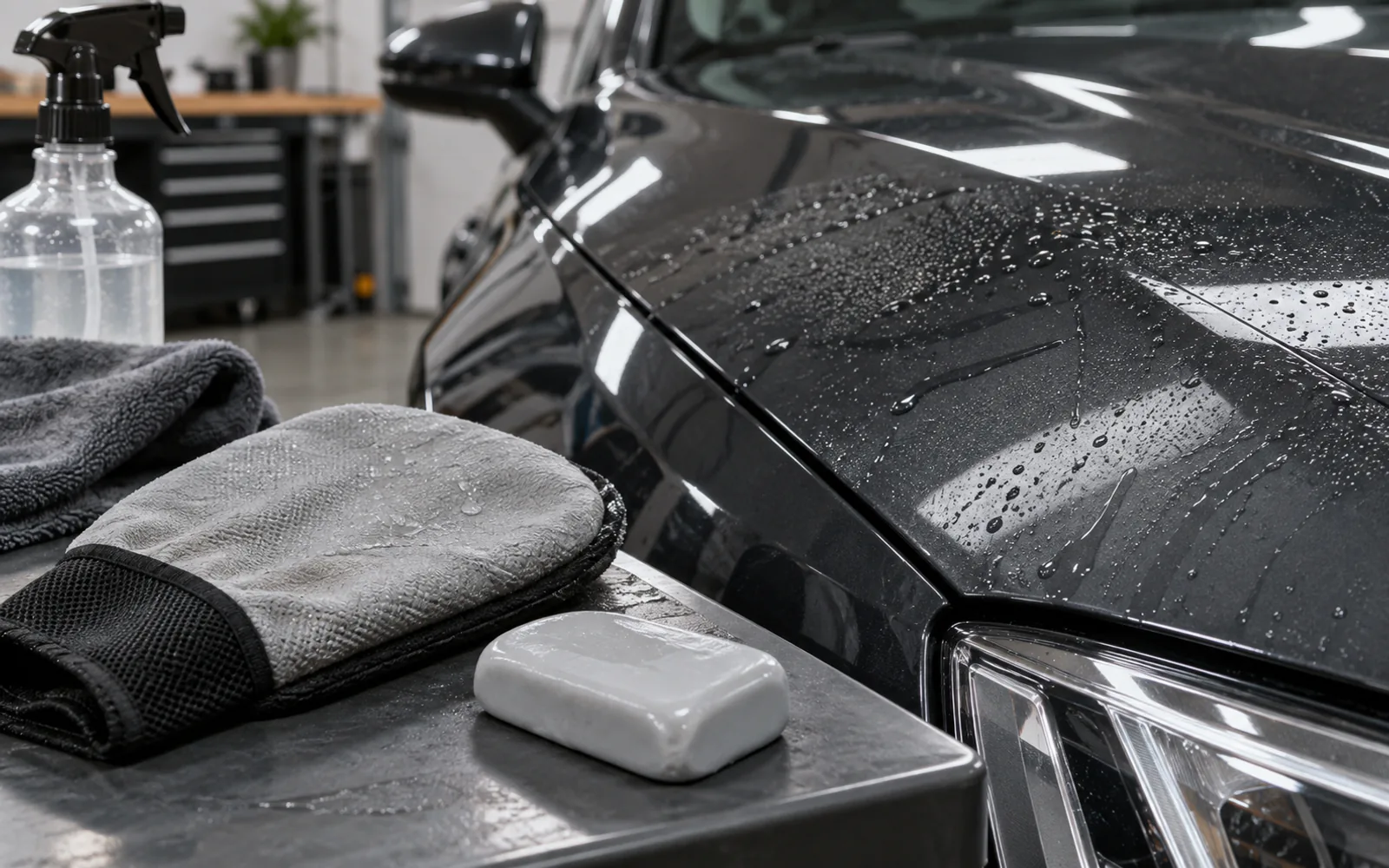
Clay must glide on a clean, wet film. Use the lubricant specified for your clay product, work small sections, and add more whenever drag appears.
Research publication
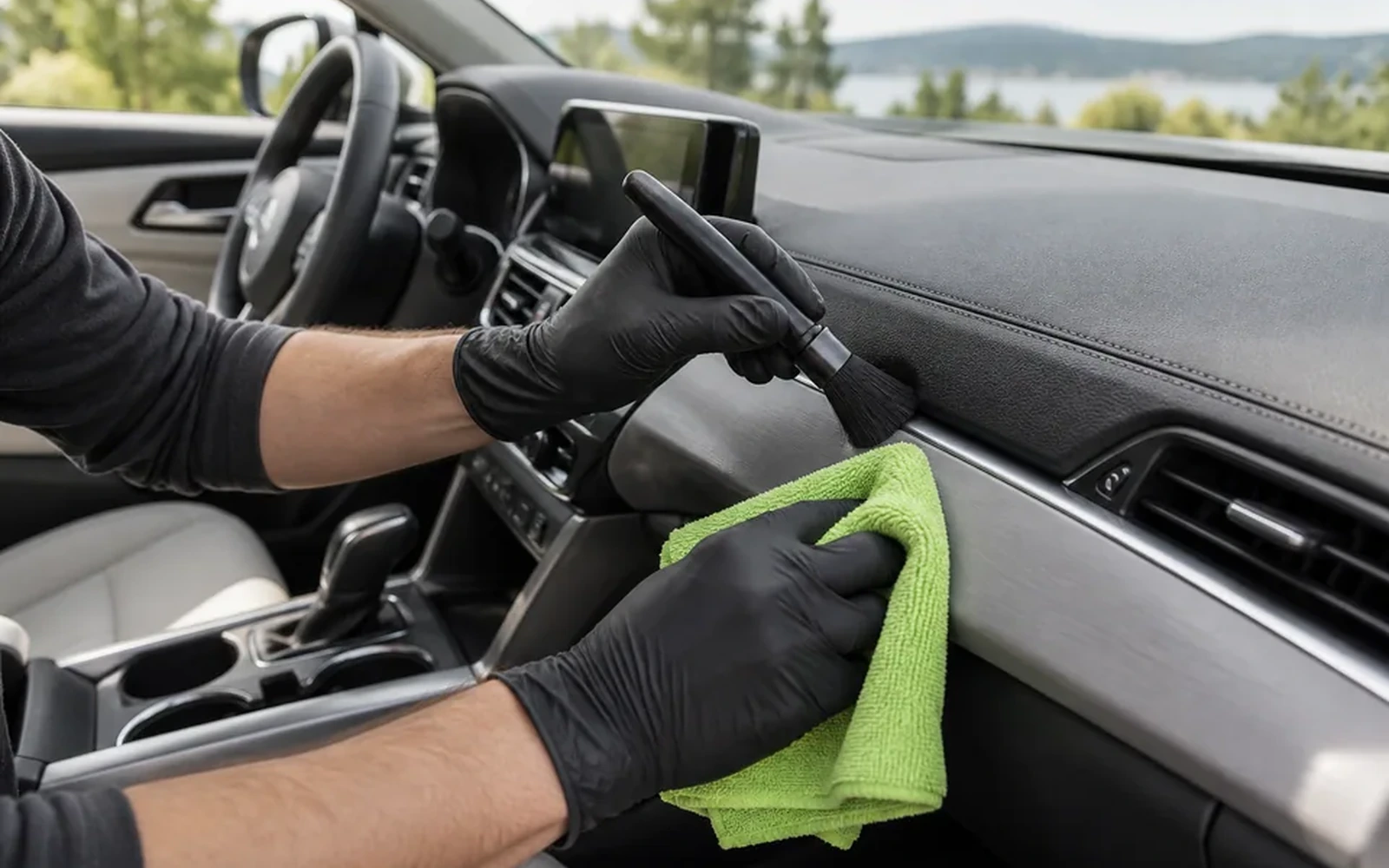
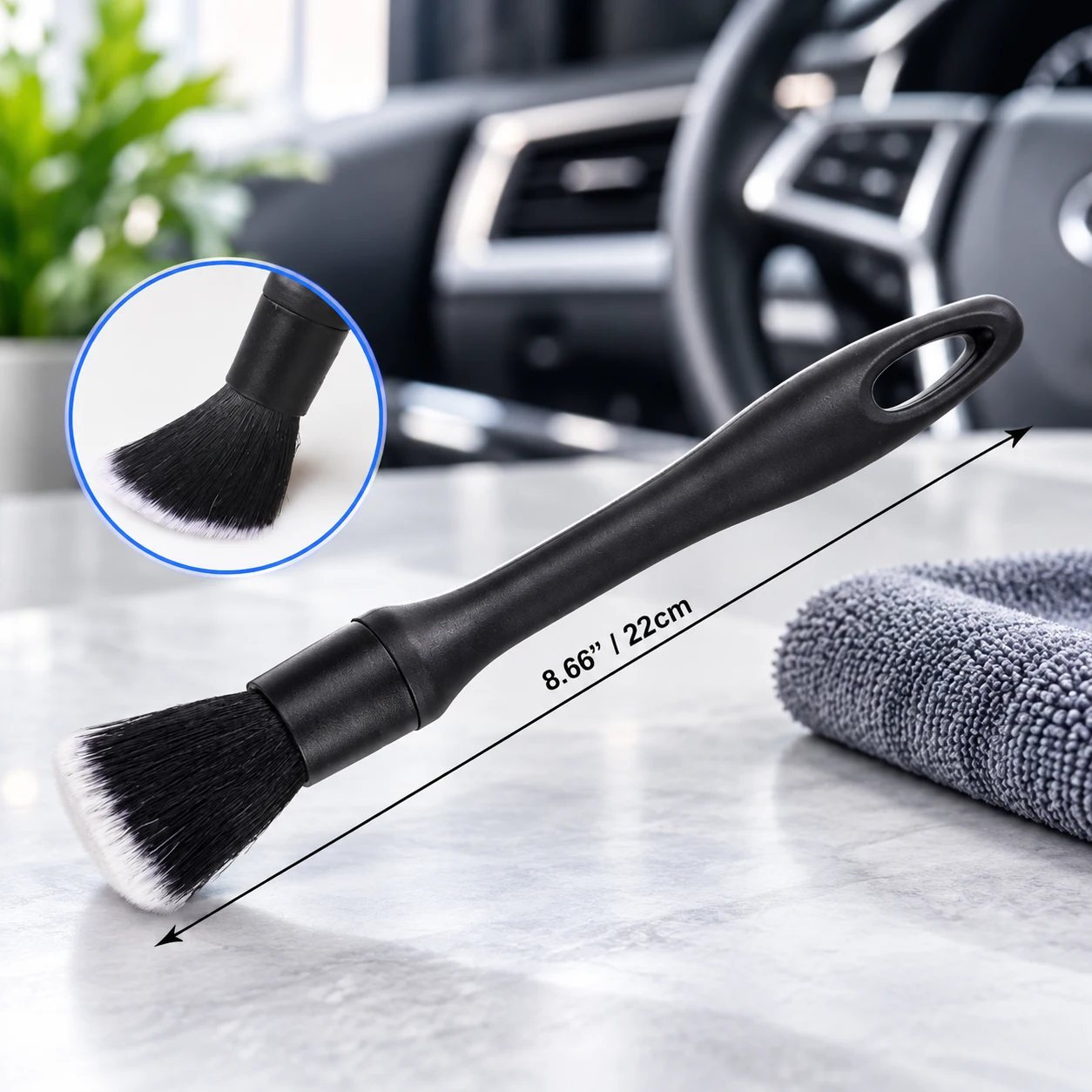
A soft brush and nearby vacuum lift dust from vents with less liquid and less risk to switches. Keep spray away from ducts and delicate cabin finishes.
Research publication
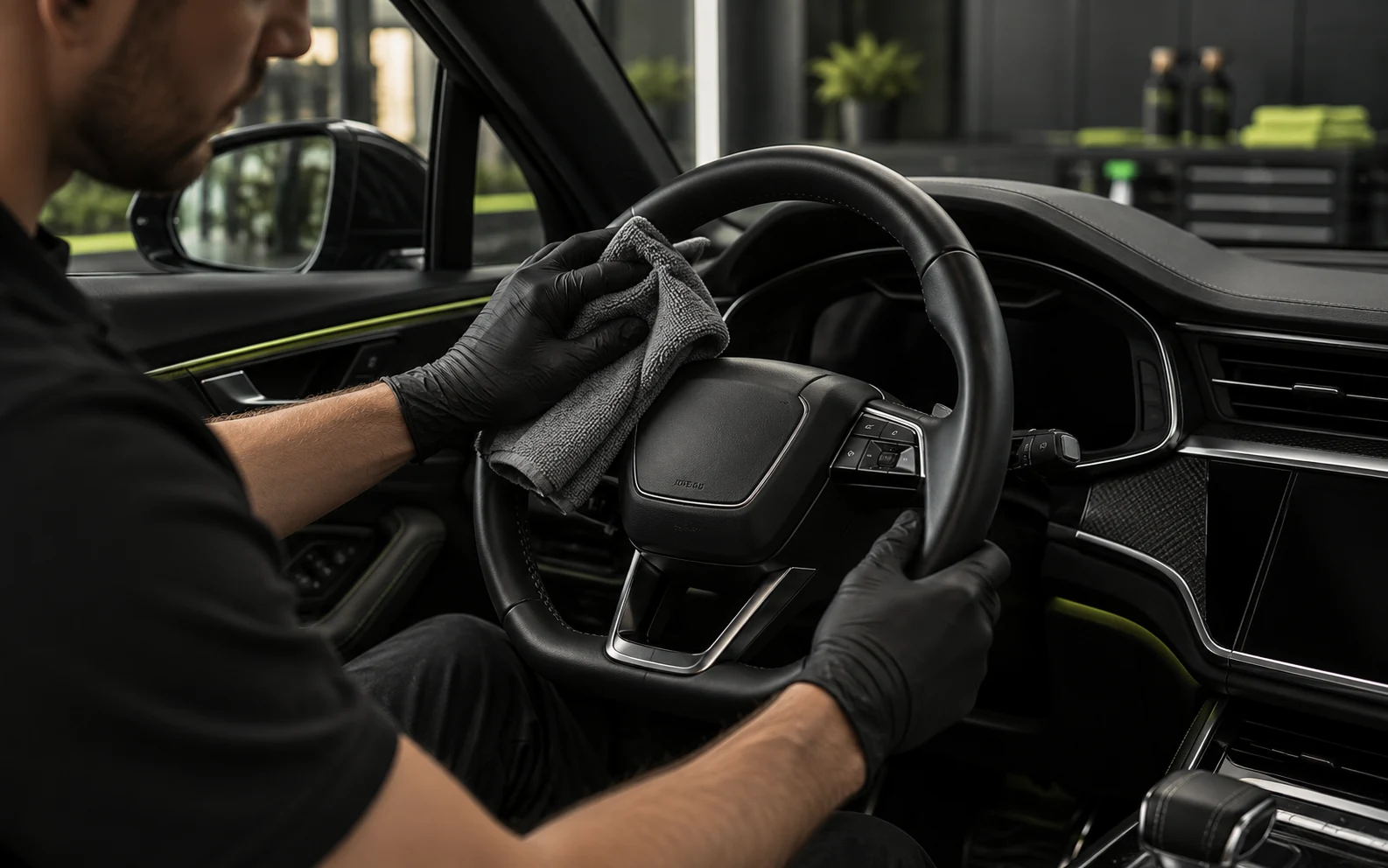
Leather-wrapped, synthetic, and coated steering wheels need a controlled approach. Identify the material, use minimal moisture, and leave the grip dry.
Research publication
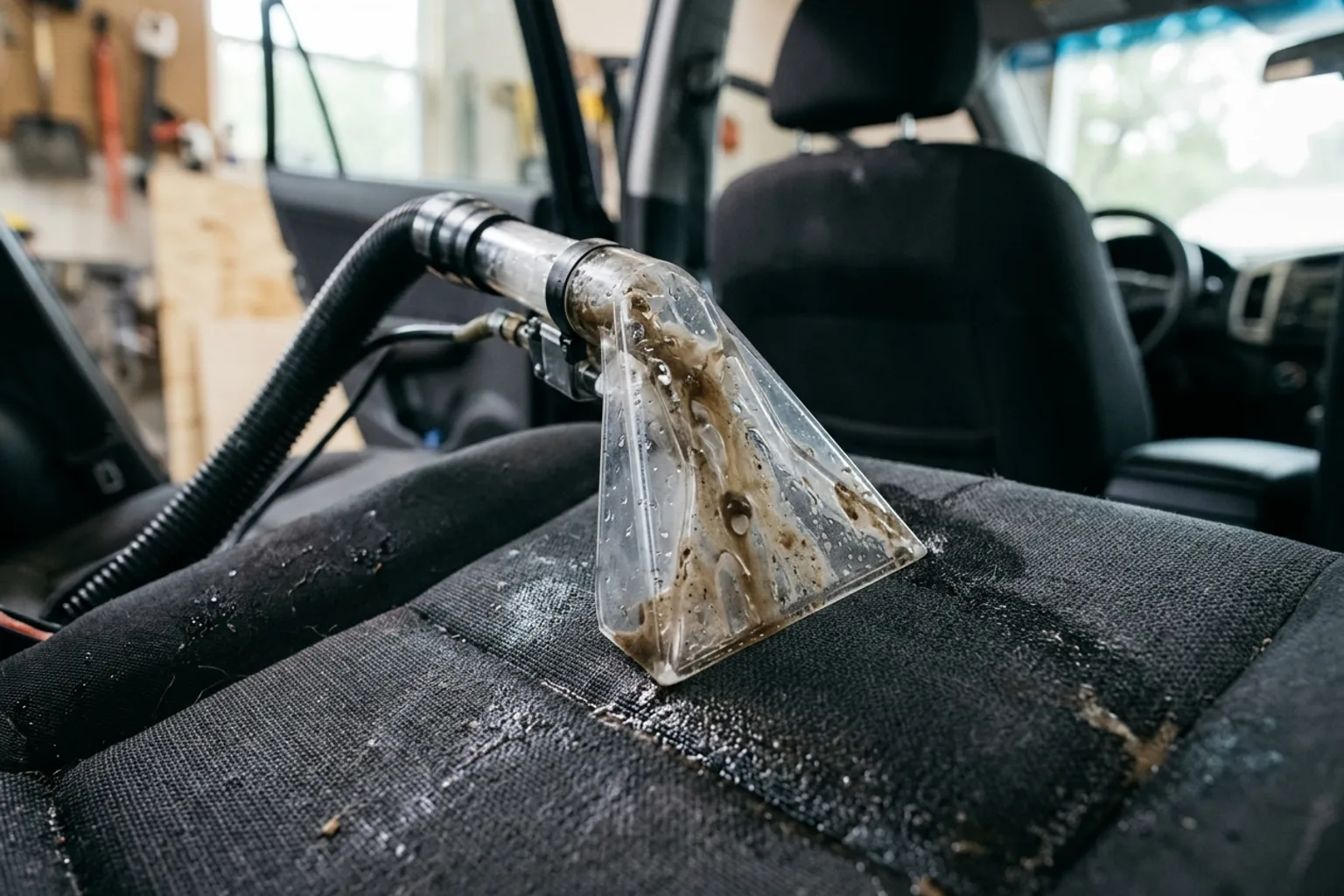
After upholstery extraction, prioritize dry suction passes, ventilation, and a complete dryness check before closing the vehicle for storage or overnight.
Research publication
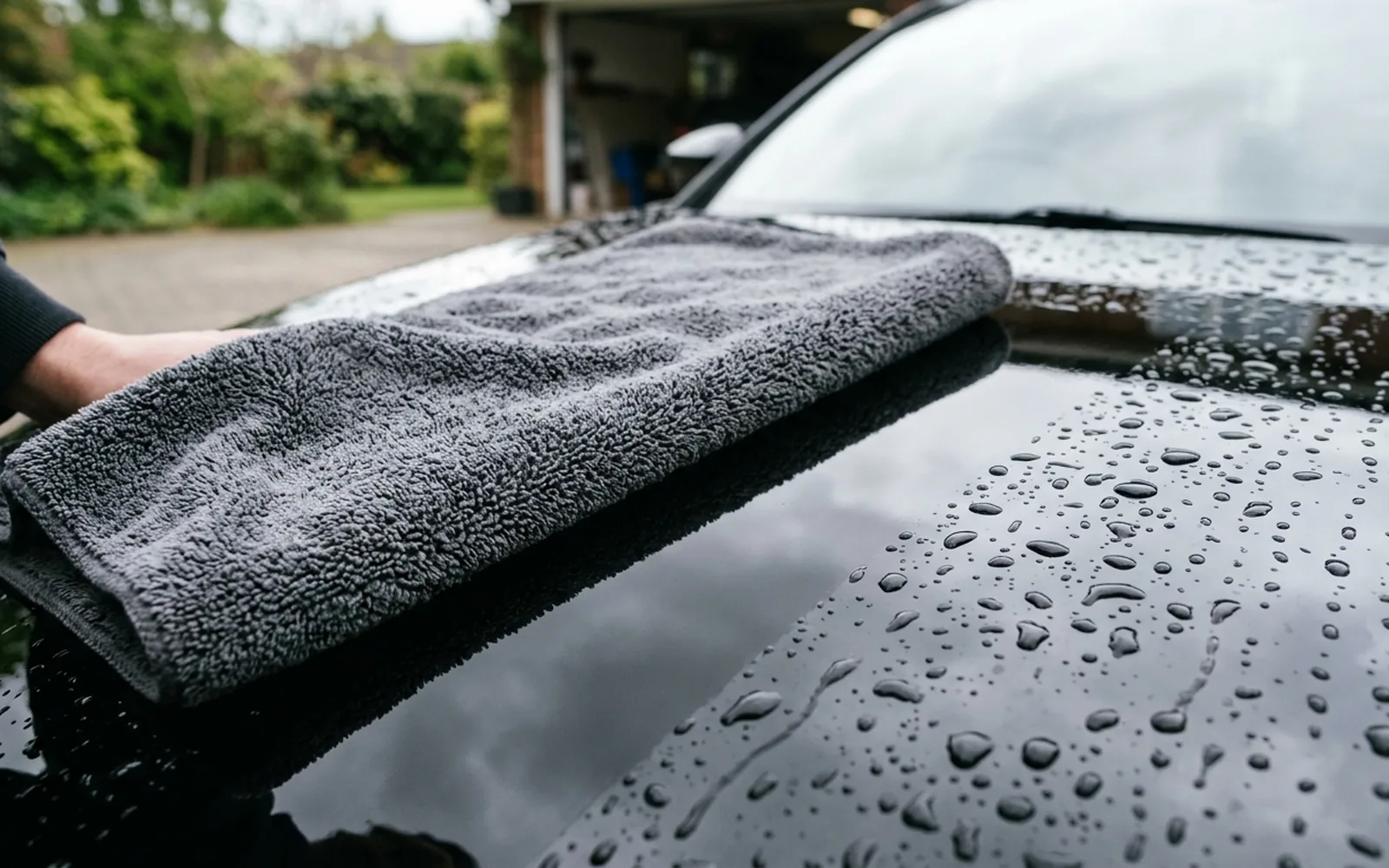
Streaks after drying may come from a saturated towel, detergent residue, leftover wash product, or mineral-heavy rinse water. Diagnose before buying another towel.
Research publication
Rinse the chemical path, inspect the pickup tube and filter, and store the cannon dry. These small steps help prevent weak siphoning next wash.
Research publication
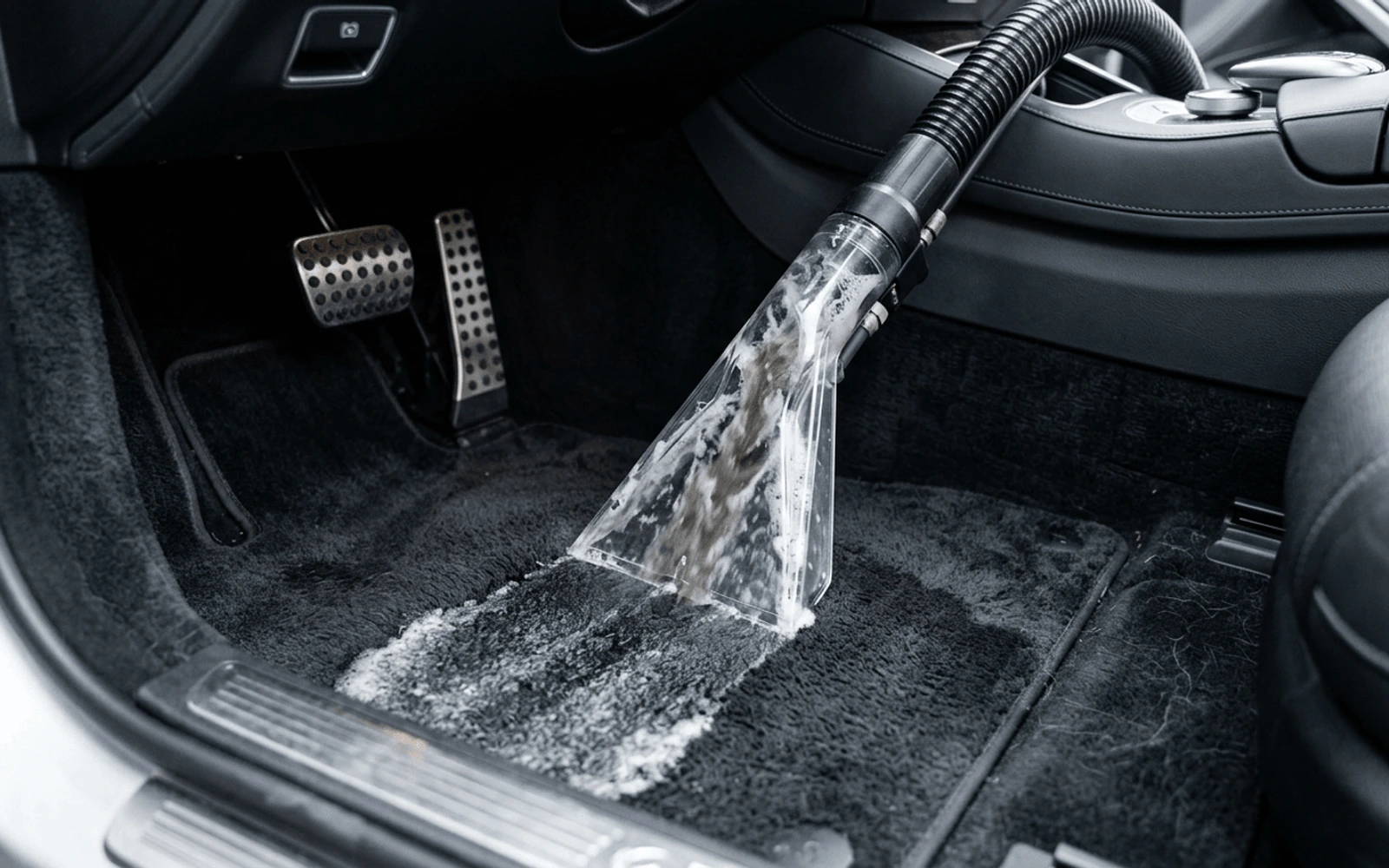
A wide fan nozzle and controlled standoff distance reduce concentrated impact on paint and trim. Follow your machine and vehicle instructions before rinsing.
Research publication
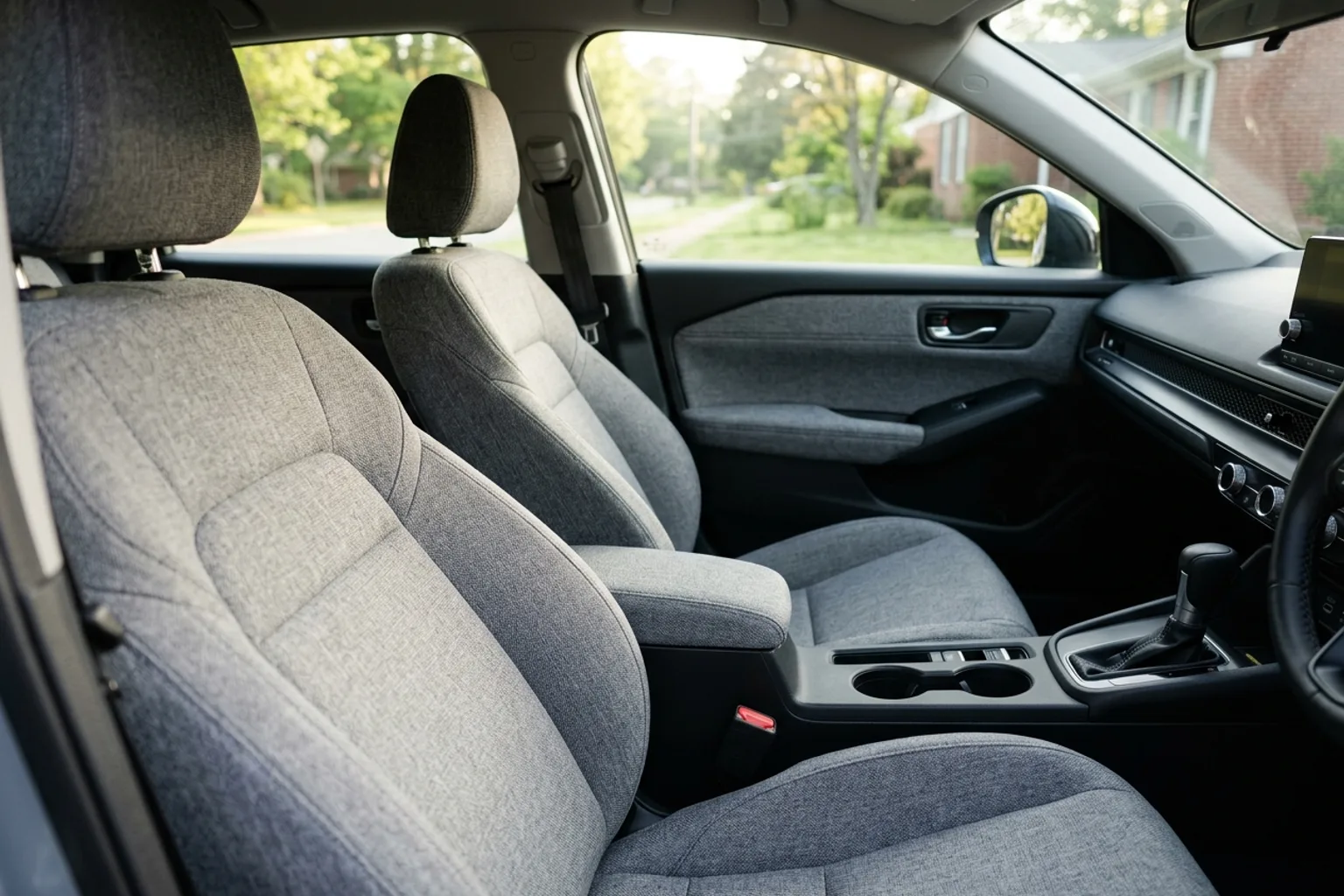
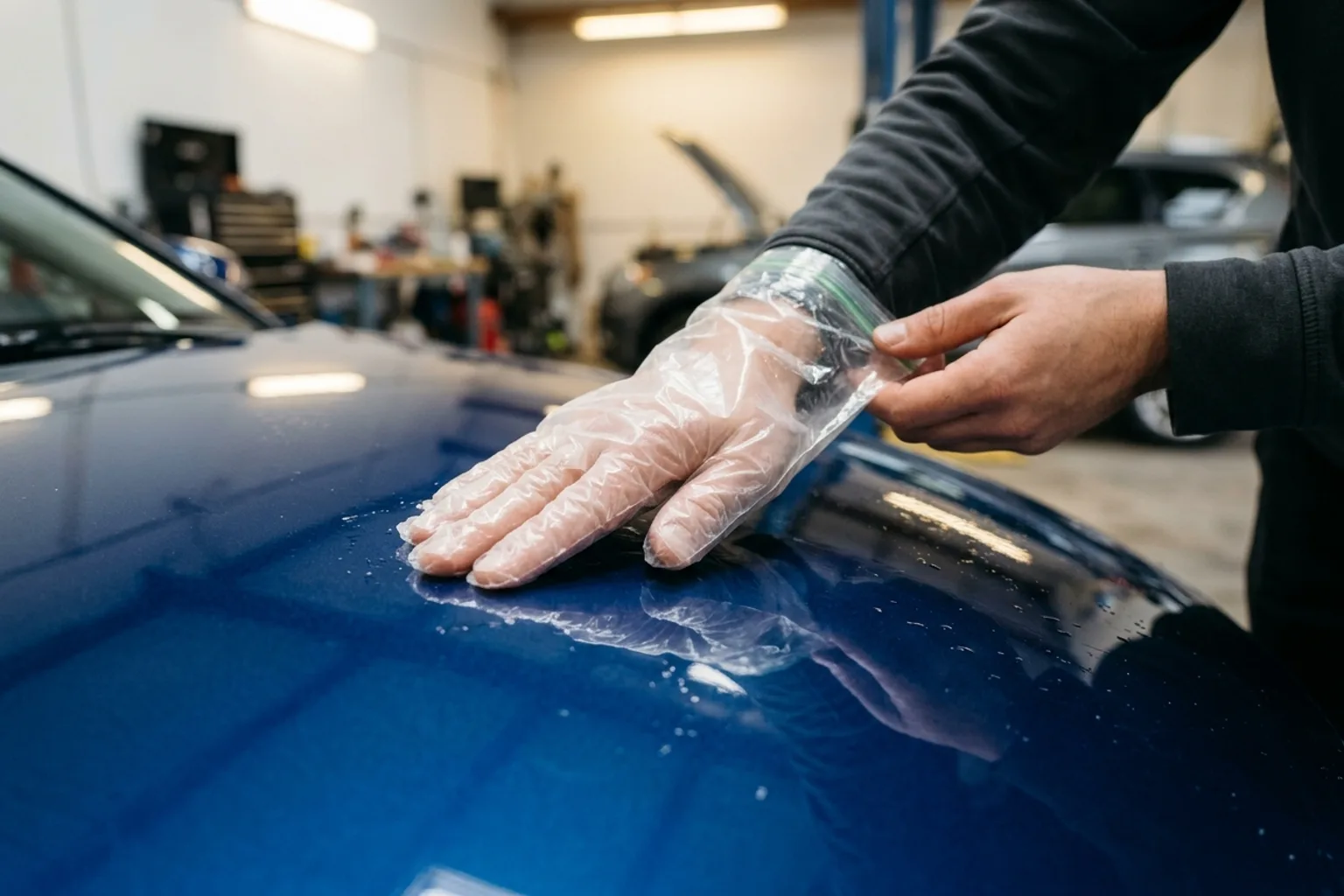
A clean-looking panel can still hold bonded fallout, tar, or overspray. Check the surface gently, identify the contaminant, then choose the mildest correction.
Research publication
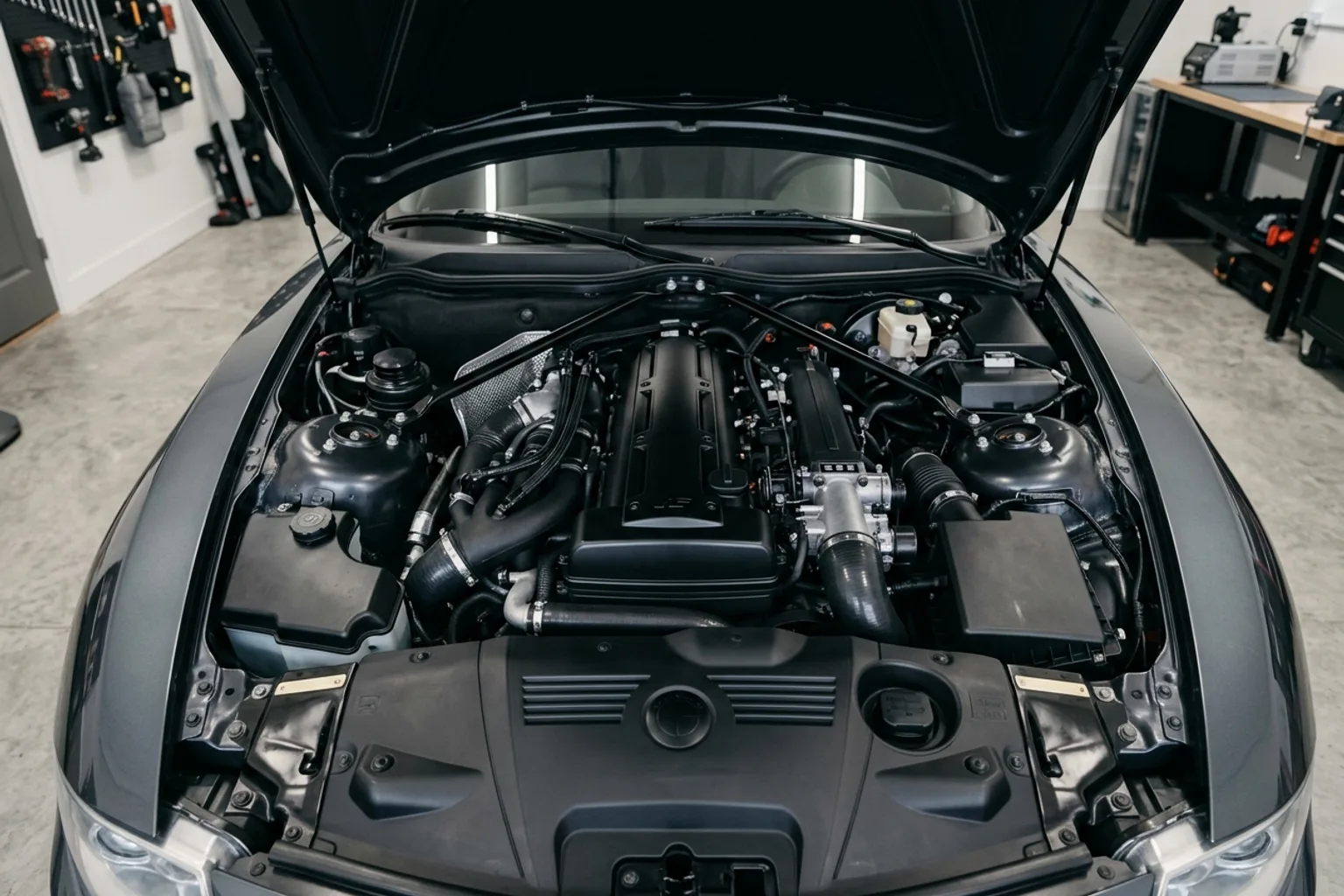
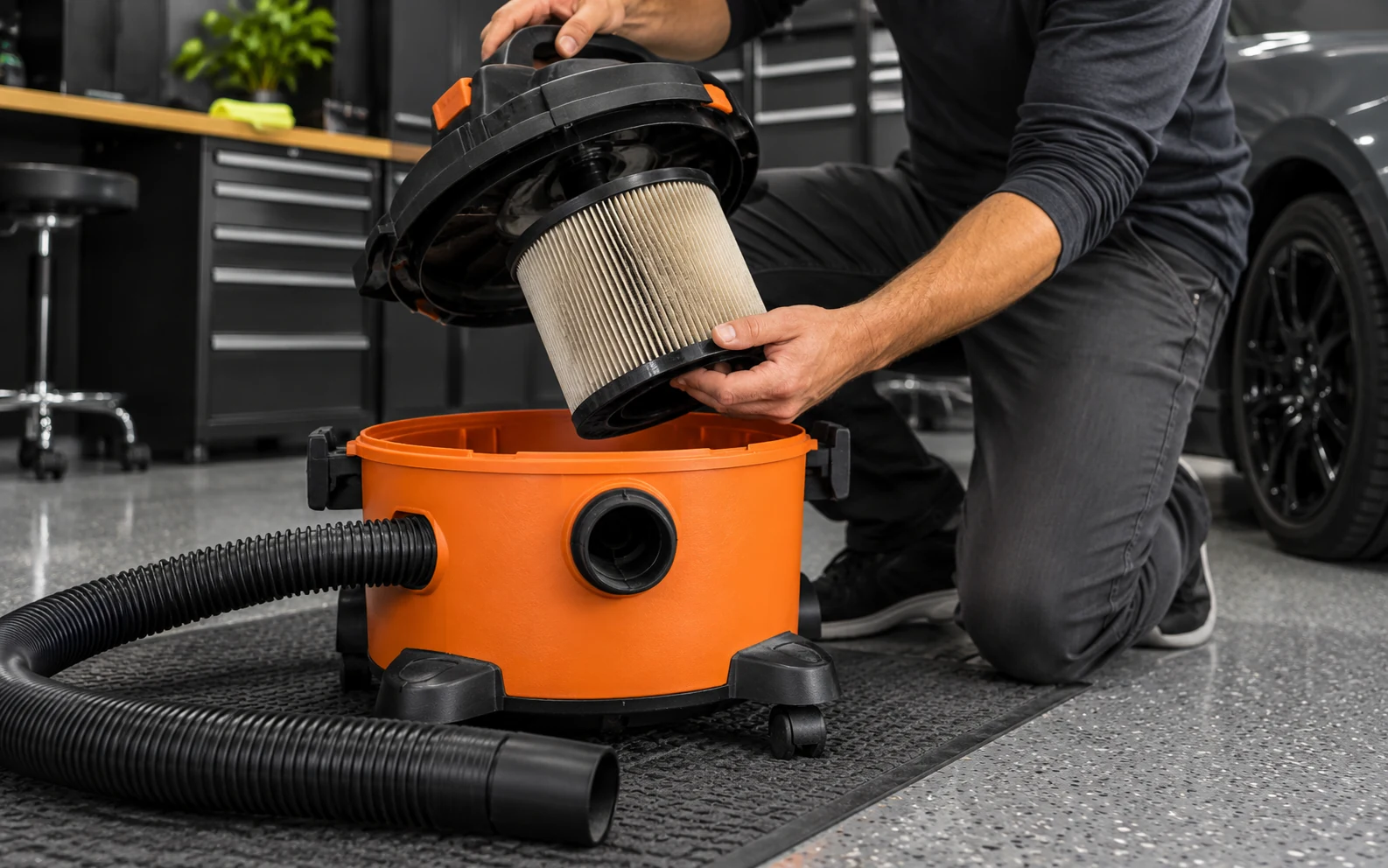
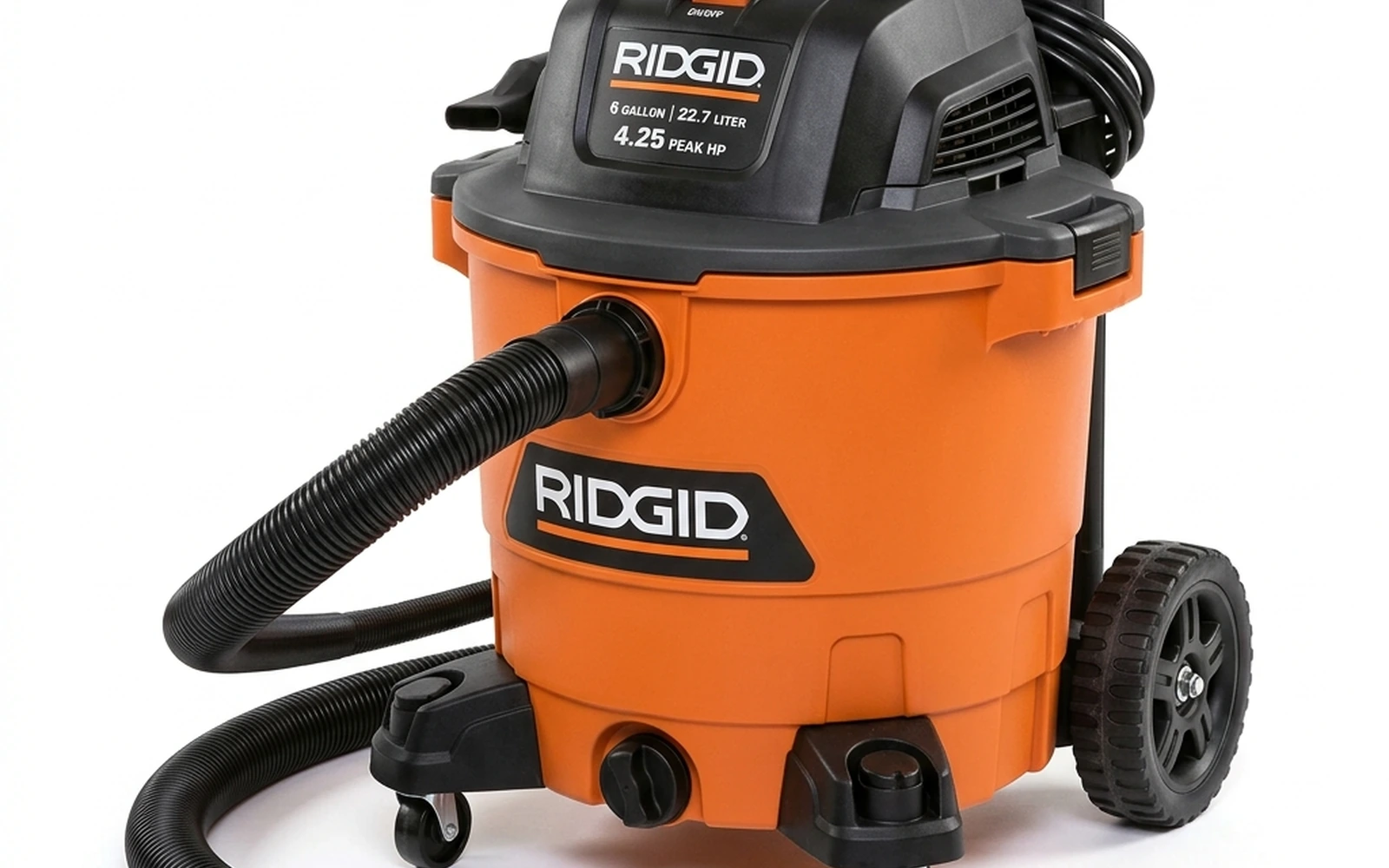
The filter for dry grit may be wrong for wet extraction. Identify your vacuum model and debris type before switching from dry cabin cleaning to water pickup.
Research publication
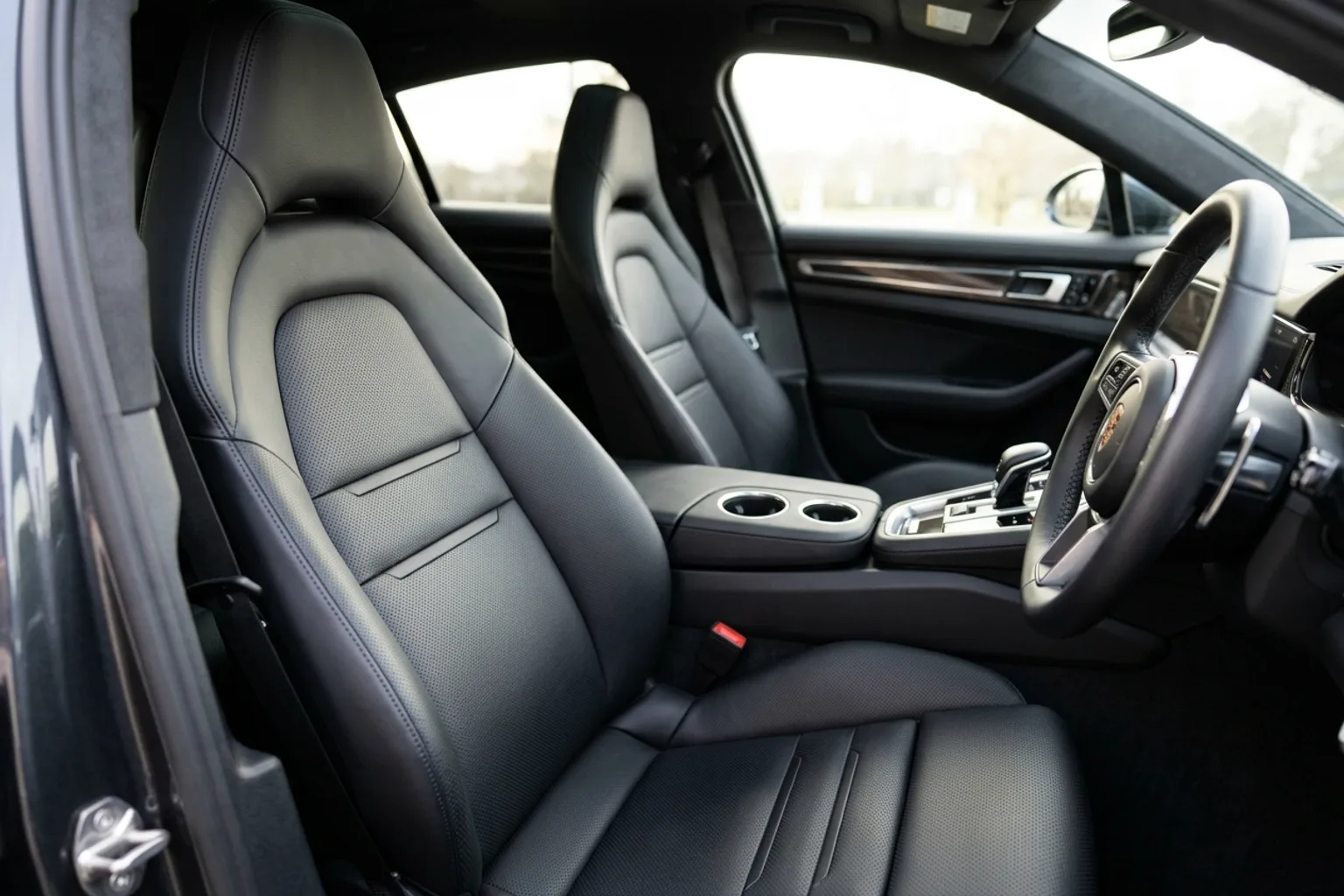
Dry vacuuming before wet extraction removes grit that water otherwise turns into muddy residue. Use a controlled sequence and assess whether deep cleaning is needed.
Research publication
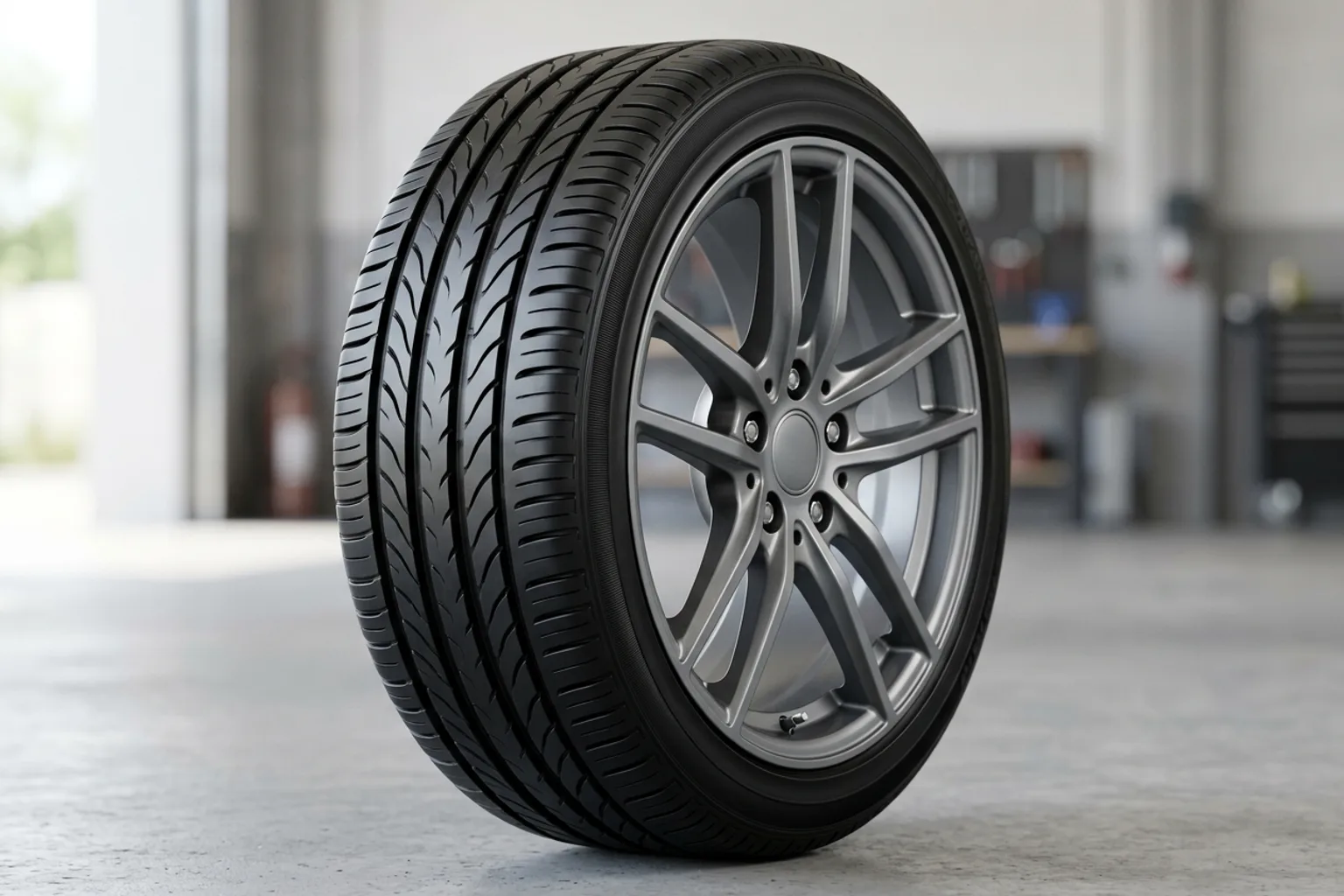
A towel can be clean but no longer suitable for paint. Inspect its pile, seams, absorbency, and trapped debris before each delicate use.
Research publication
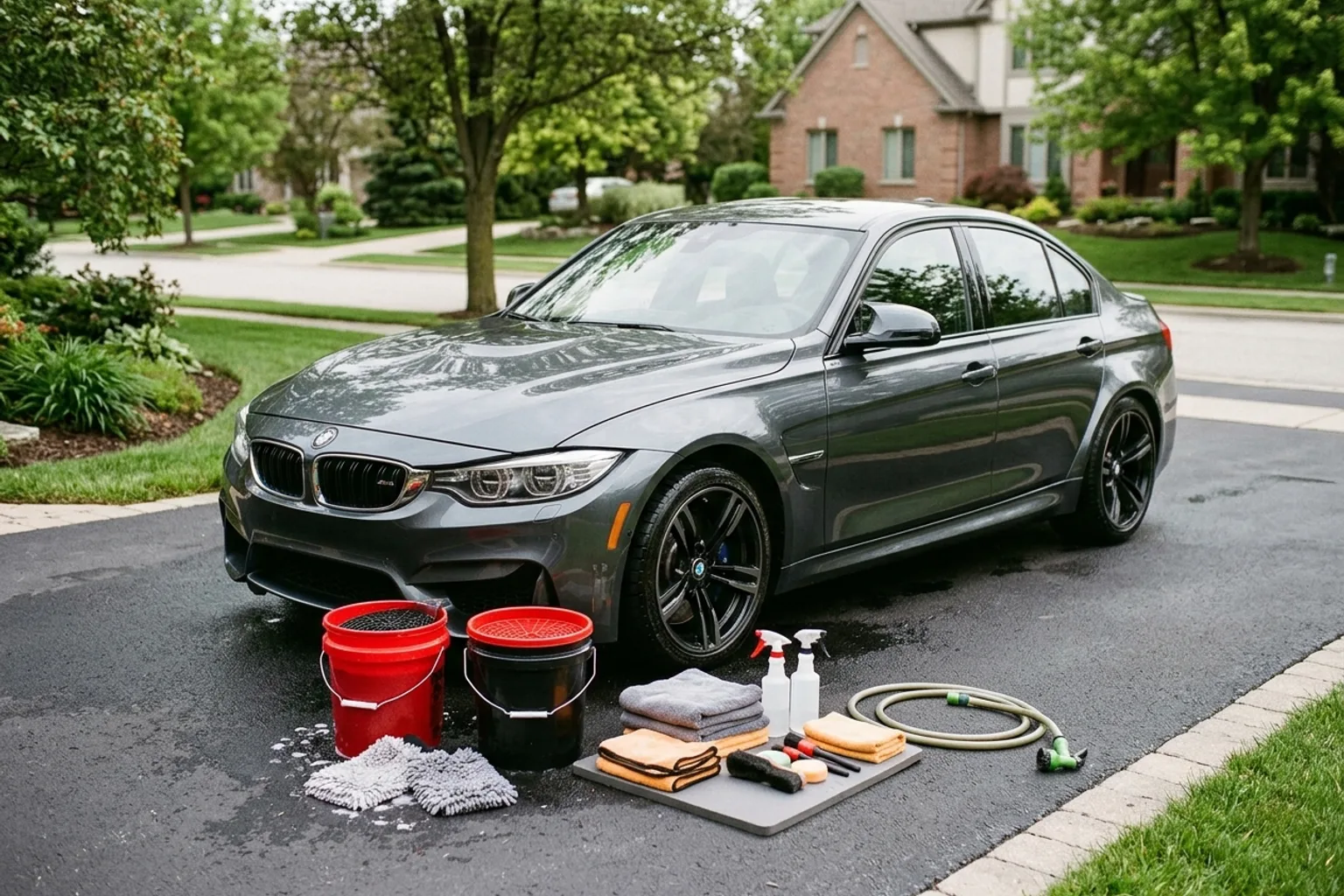
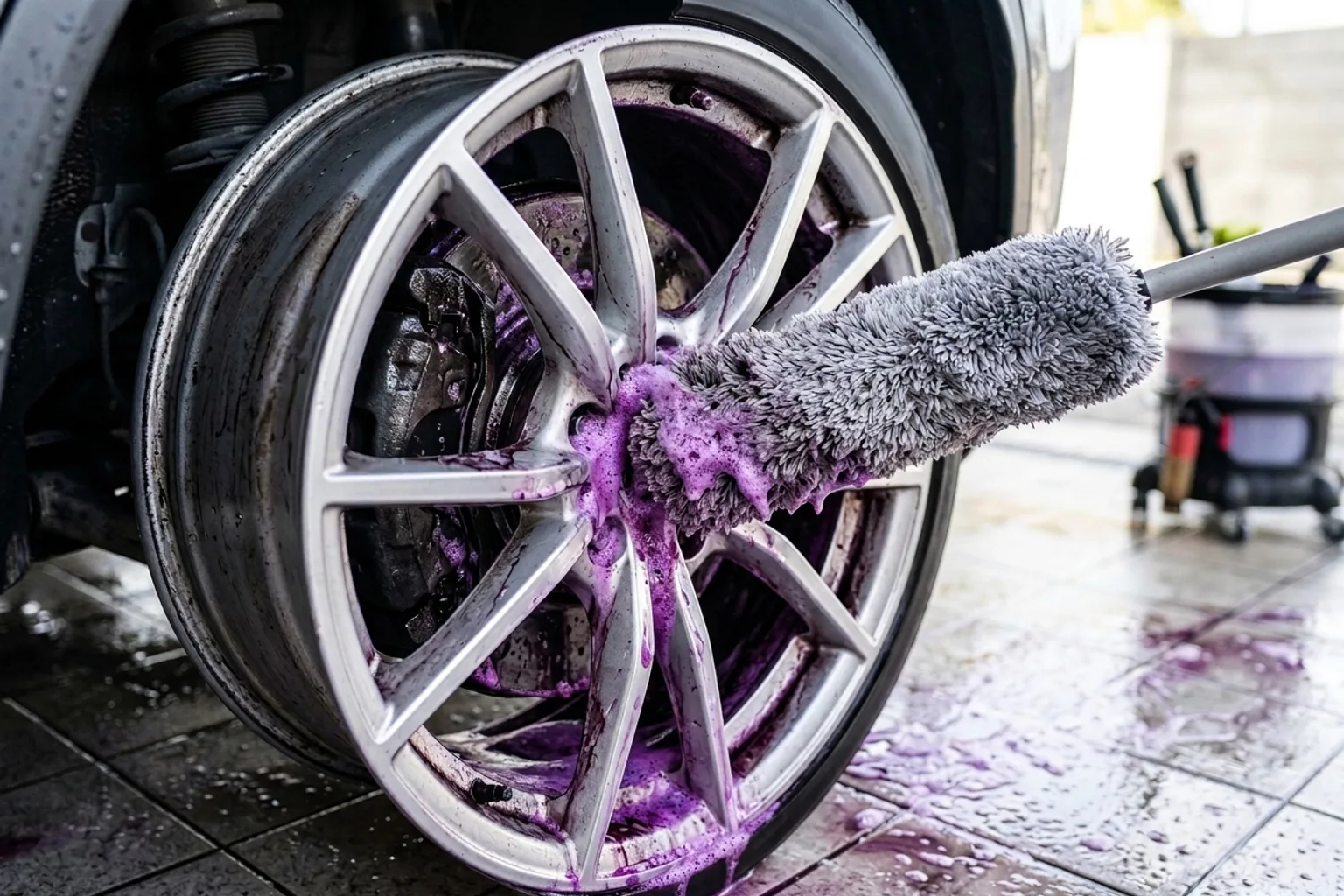
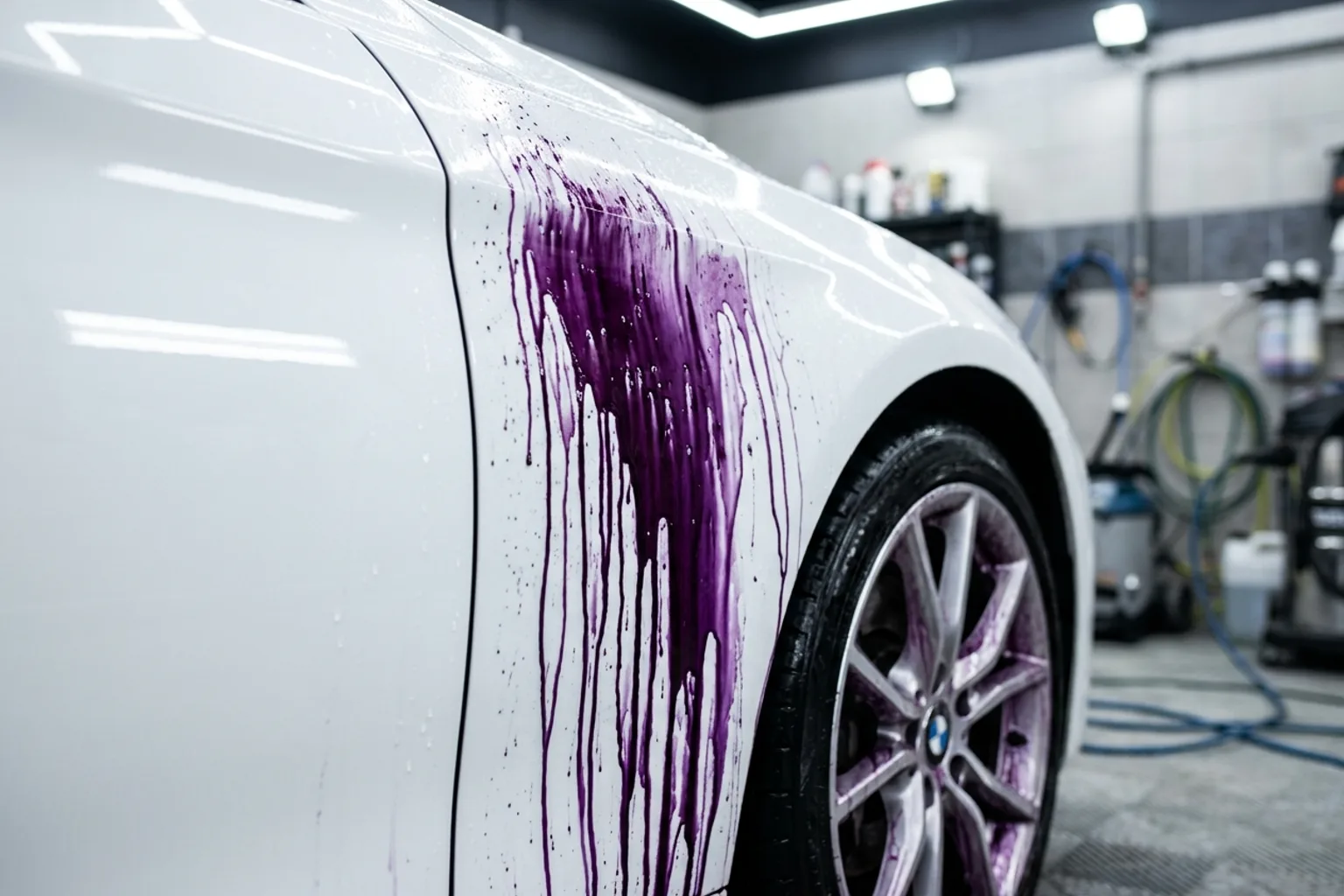
Remove baked-on metallic brake dust safely. Learn how pH-neutral iron dissolvers, non-acid wheel cleaners, and barrel brushes clean alloy wheels without etching.
Research publication

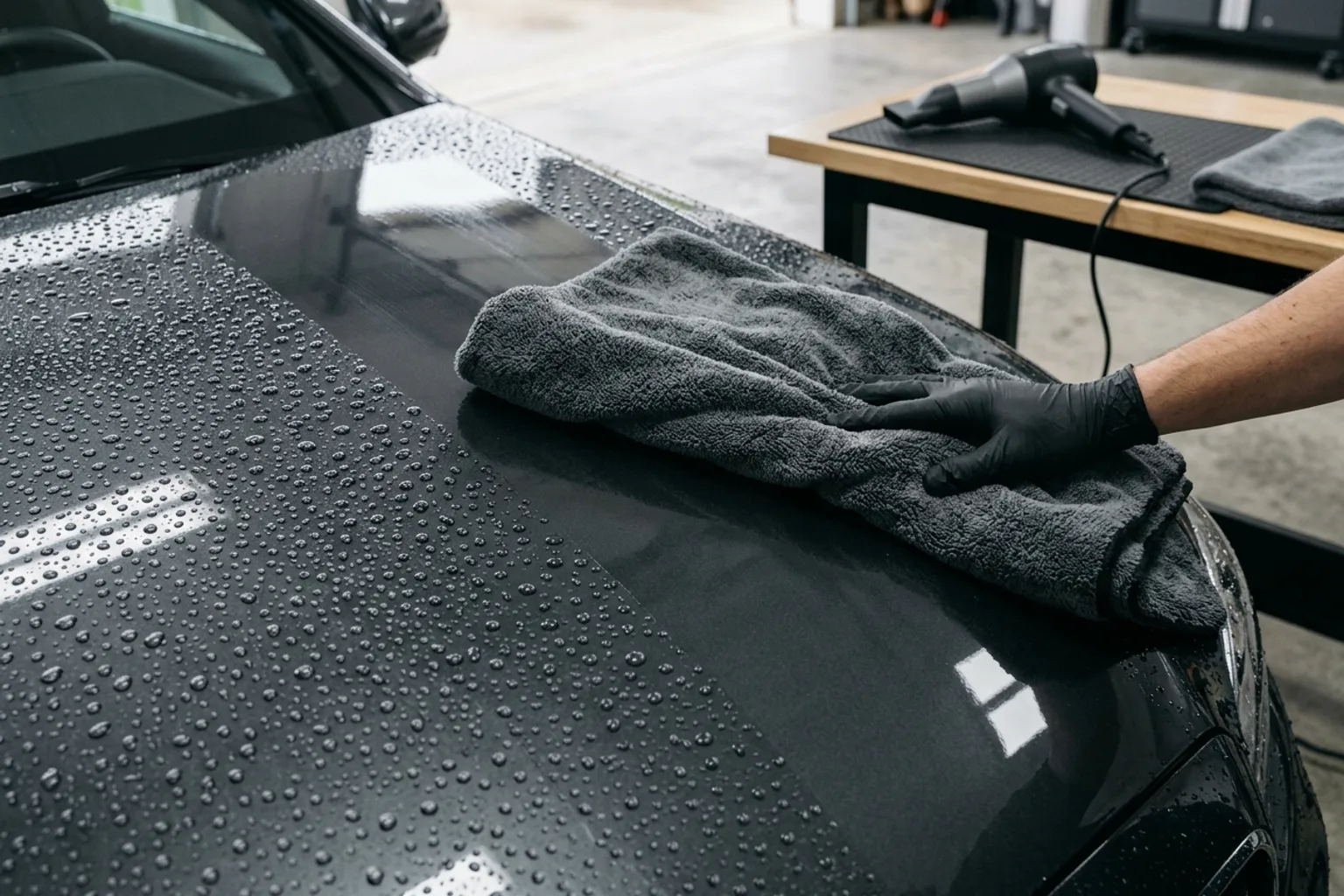
Discover professional drying techniques to eliminate mineral etching and streaks. Learn the open-hose sheet method, drying aid sprays, and touchless blowers.
Research publication
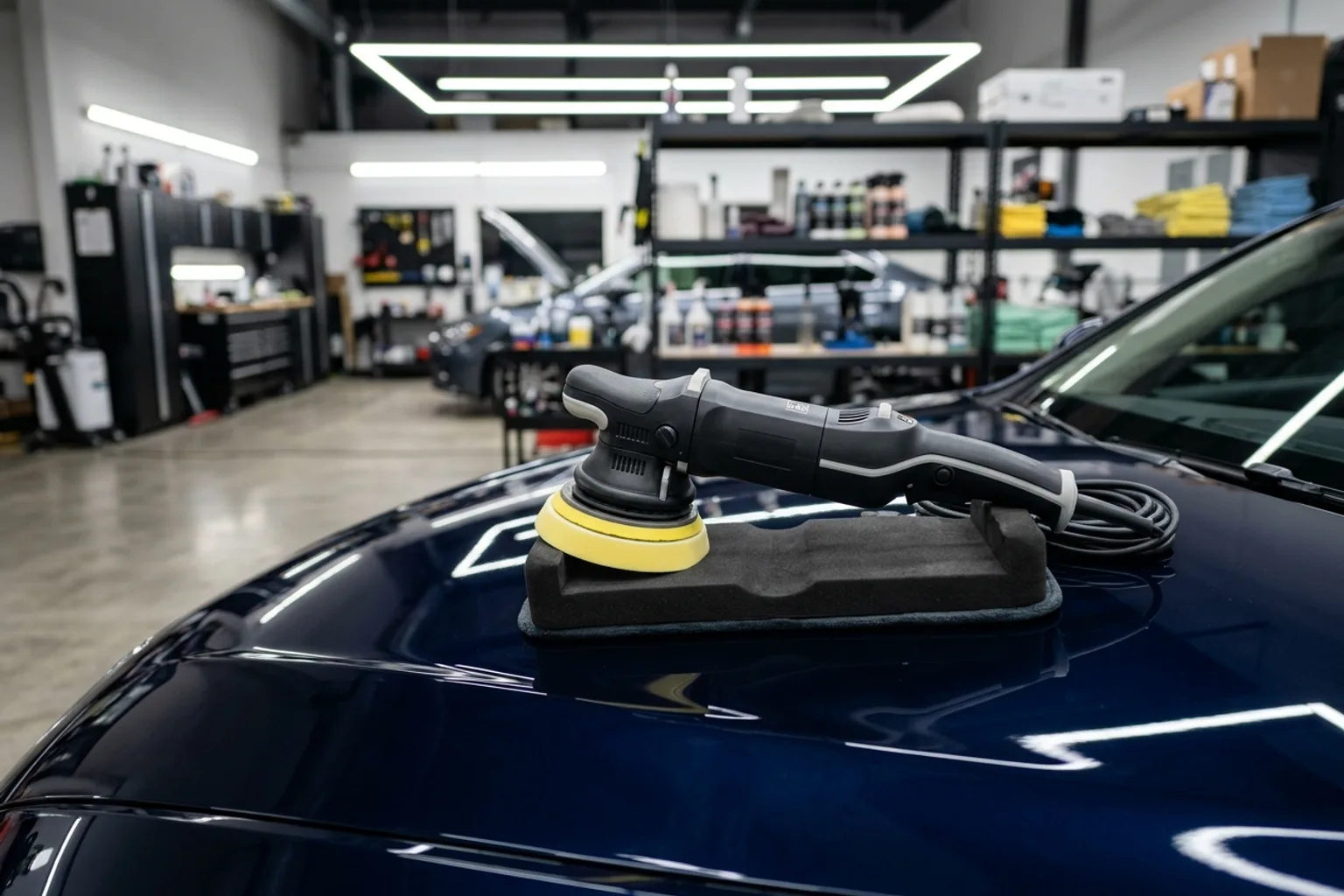
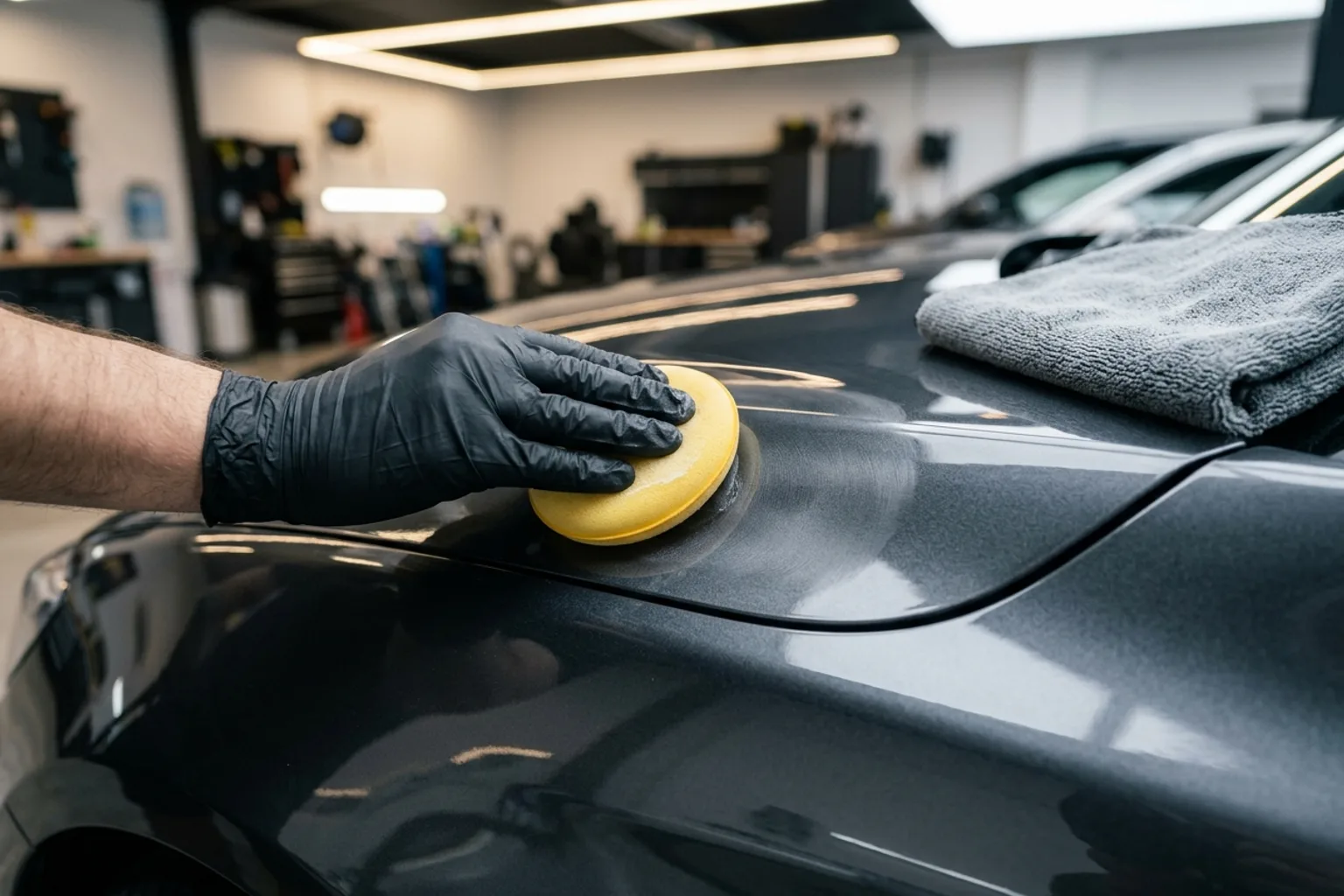
Learn how to polish car paint by hand using foam applicator pads and micro-abrasive polishes to eliminate door cup scratches, spot swirls, and paint transfer.
Research publication
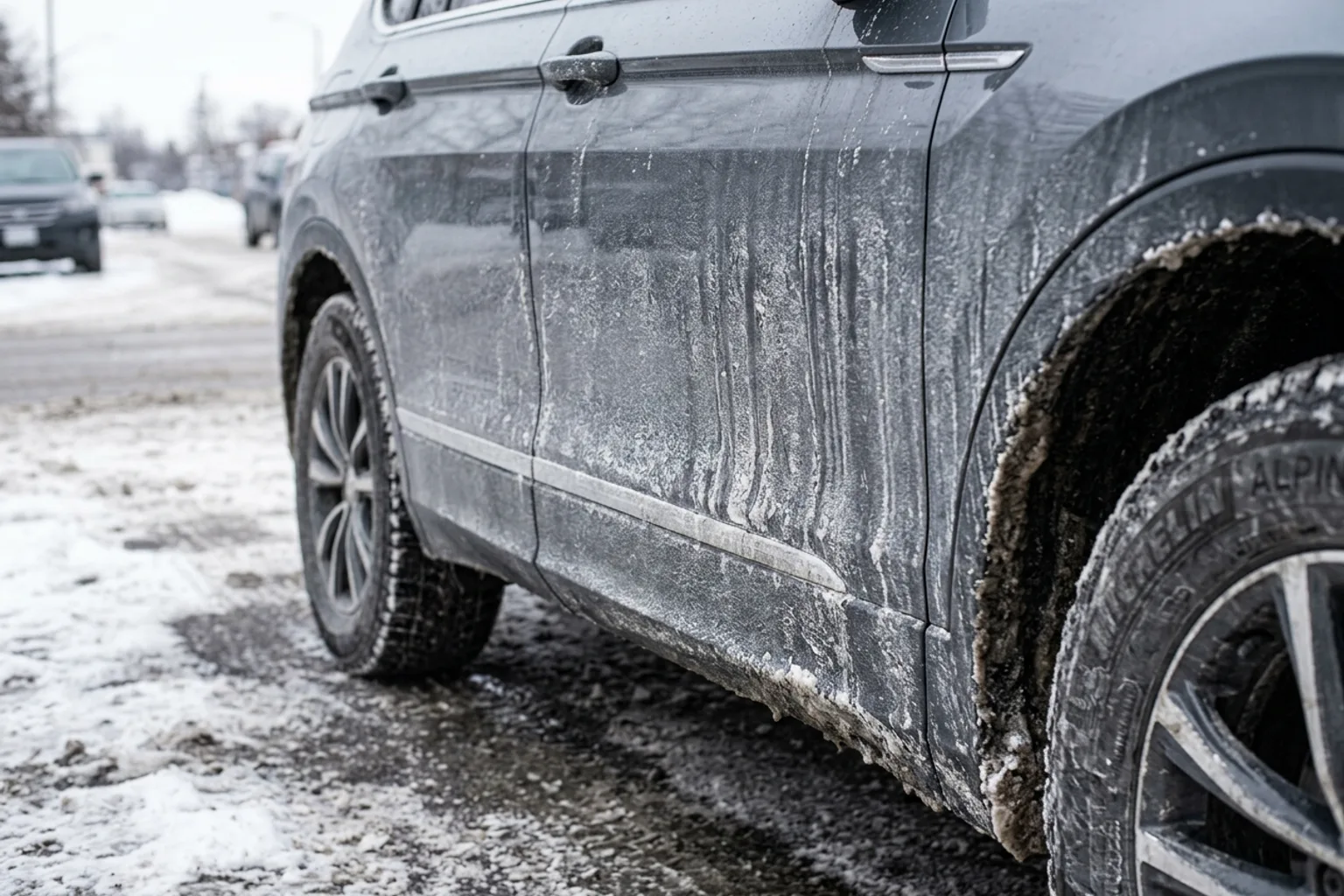
Learn the proper car paint decontamination sequence: contact wash, chemical iron remover, tar dissolver, and mechanical clay bar to minimize swirl risk.
Research publication
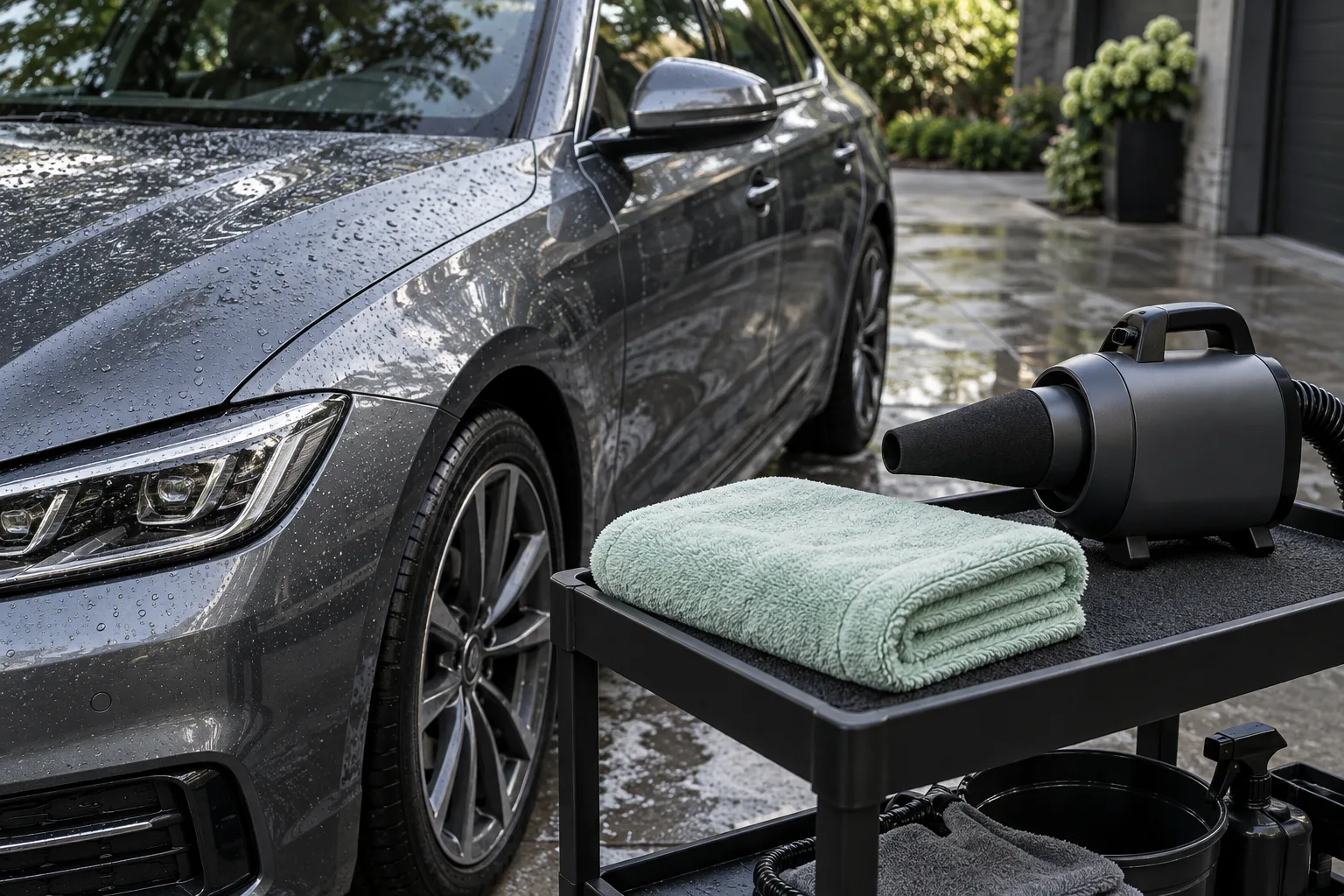
Clean cloth car seats without overwetting or causing mildew. Step-by-step low-moisture cleaning, brush agitation, extraction passes, and drying best practices.
Research publication
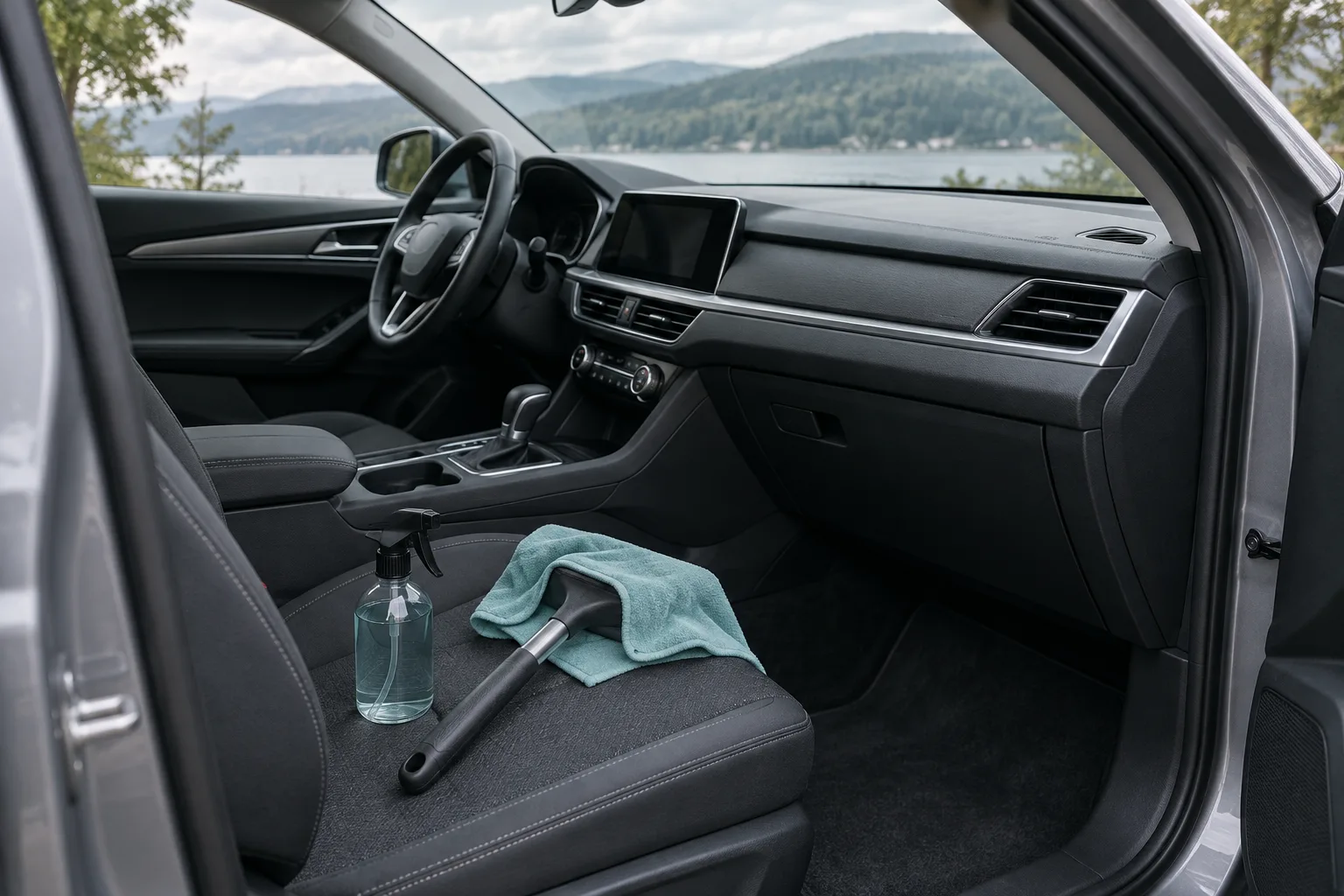
Clean your car engine bay safely without damaging electronics. Step-by-step guide to covering the alternator, degreasing, gentle rinsing, and drying techniques.
Research publication
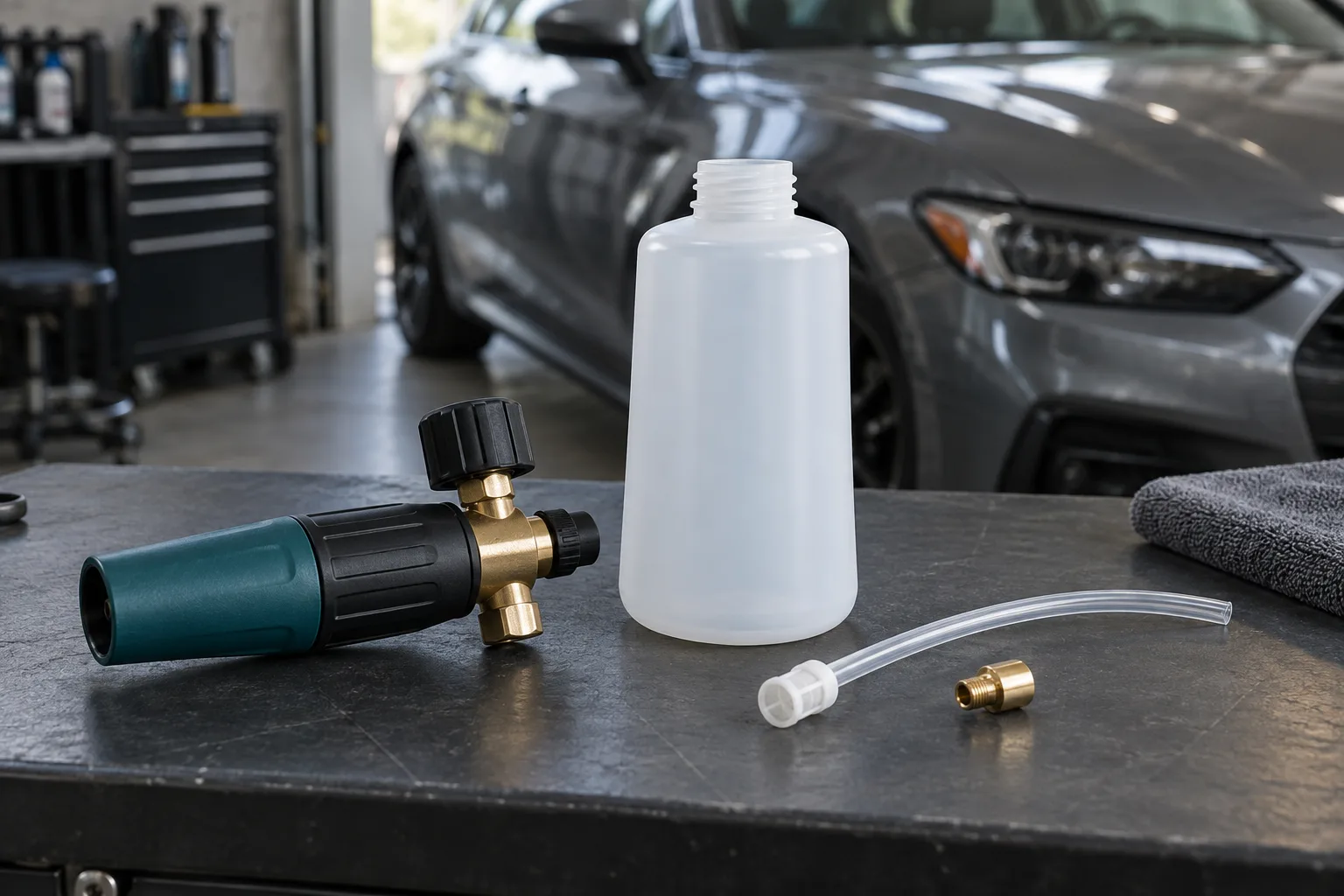
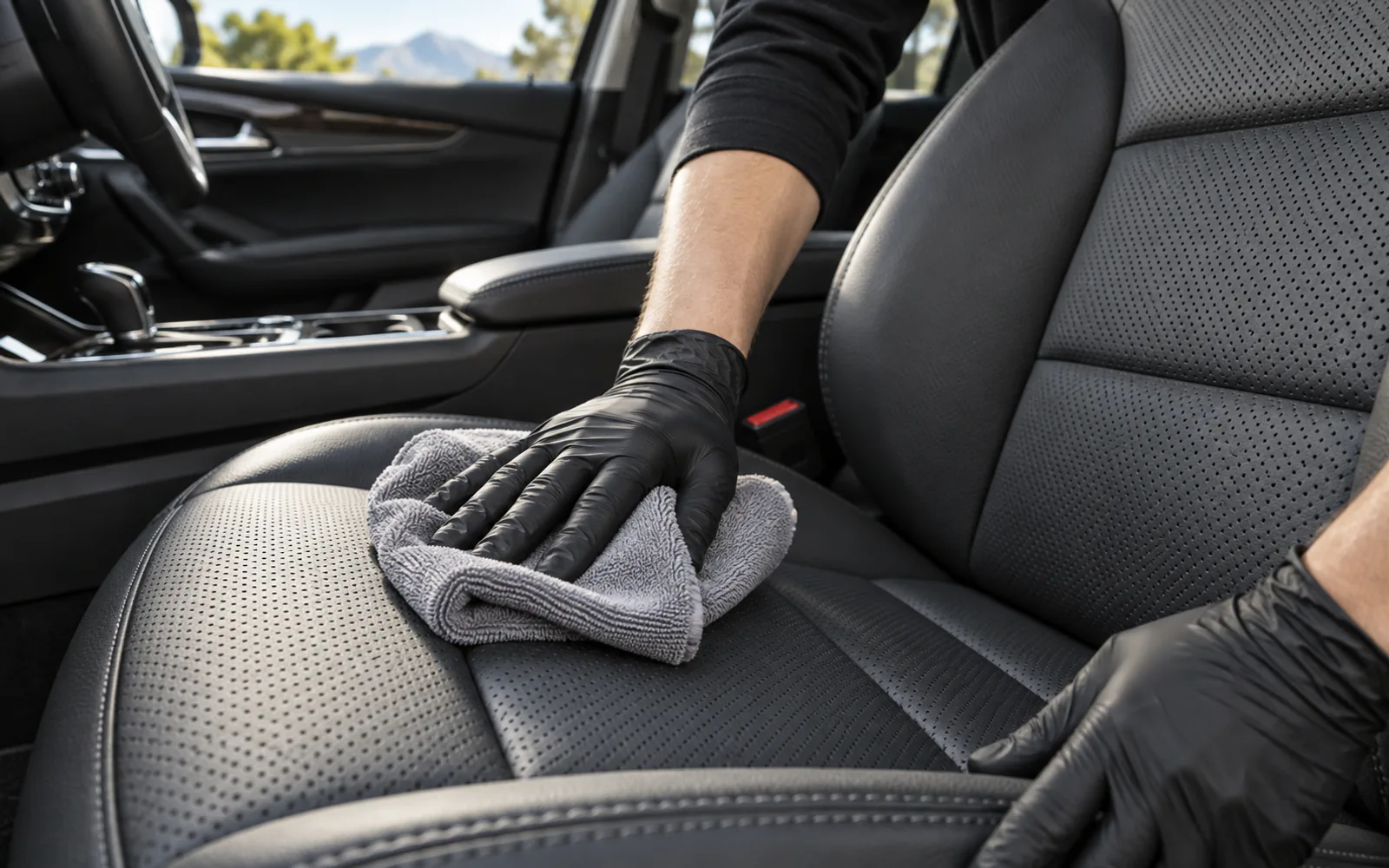
Clean perforated and smooth leather car seats safely. Learn towel-application techniques, soft brush agitation, and how to avoid clogging ventilated cushion holes.
Research publication
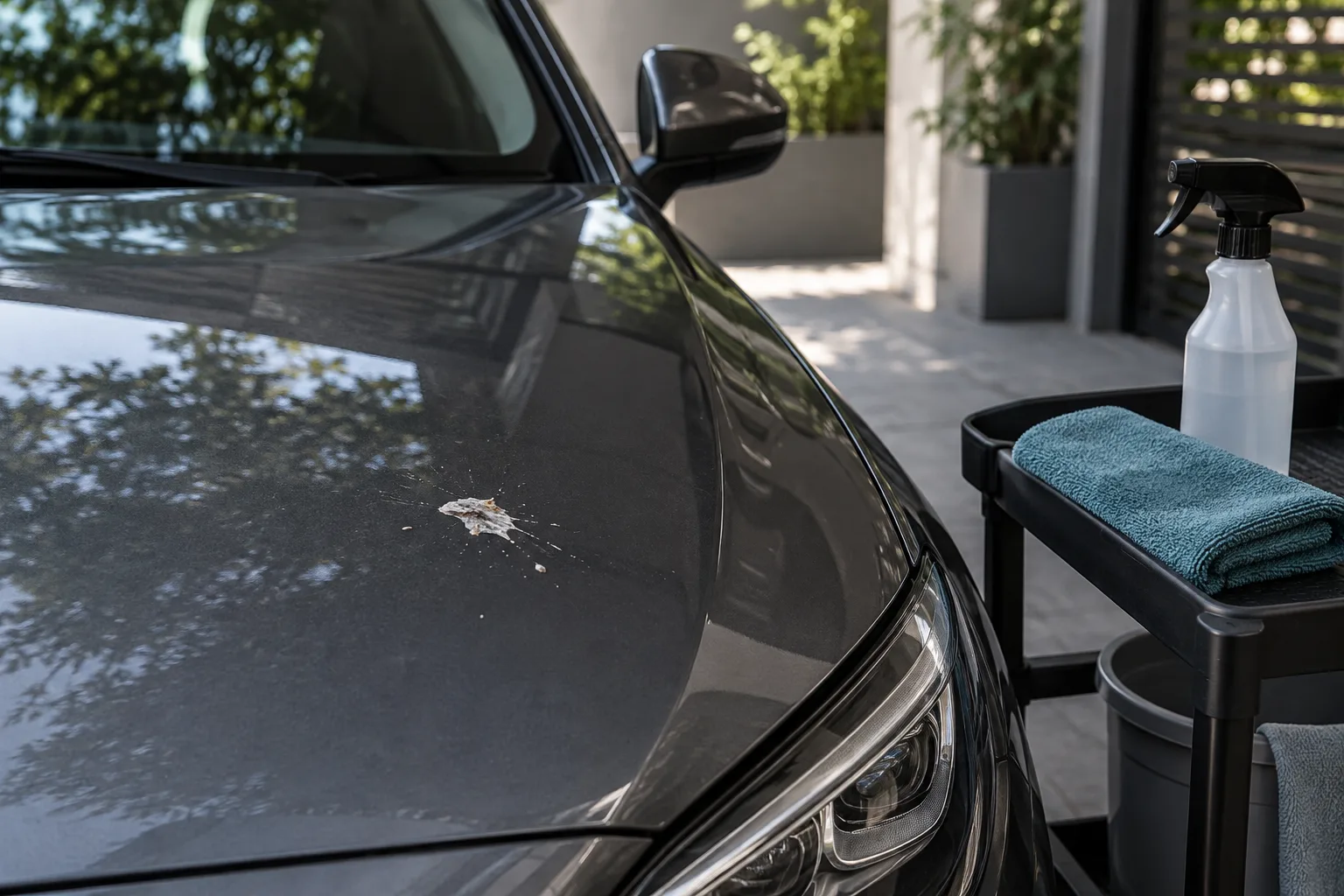
Understand why tires turn brown from antiozonant blooming. Step-by-step cleaning with dedicated tire cleaners, stiff brushes, drying, and non-sling dressings.
Research publication
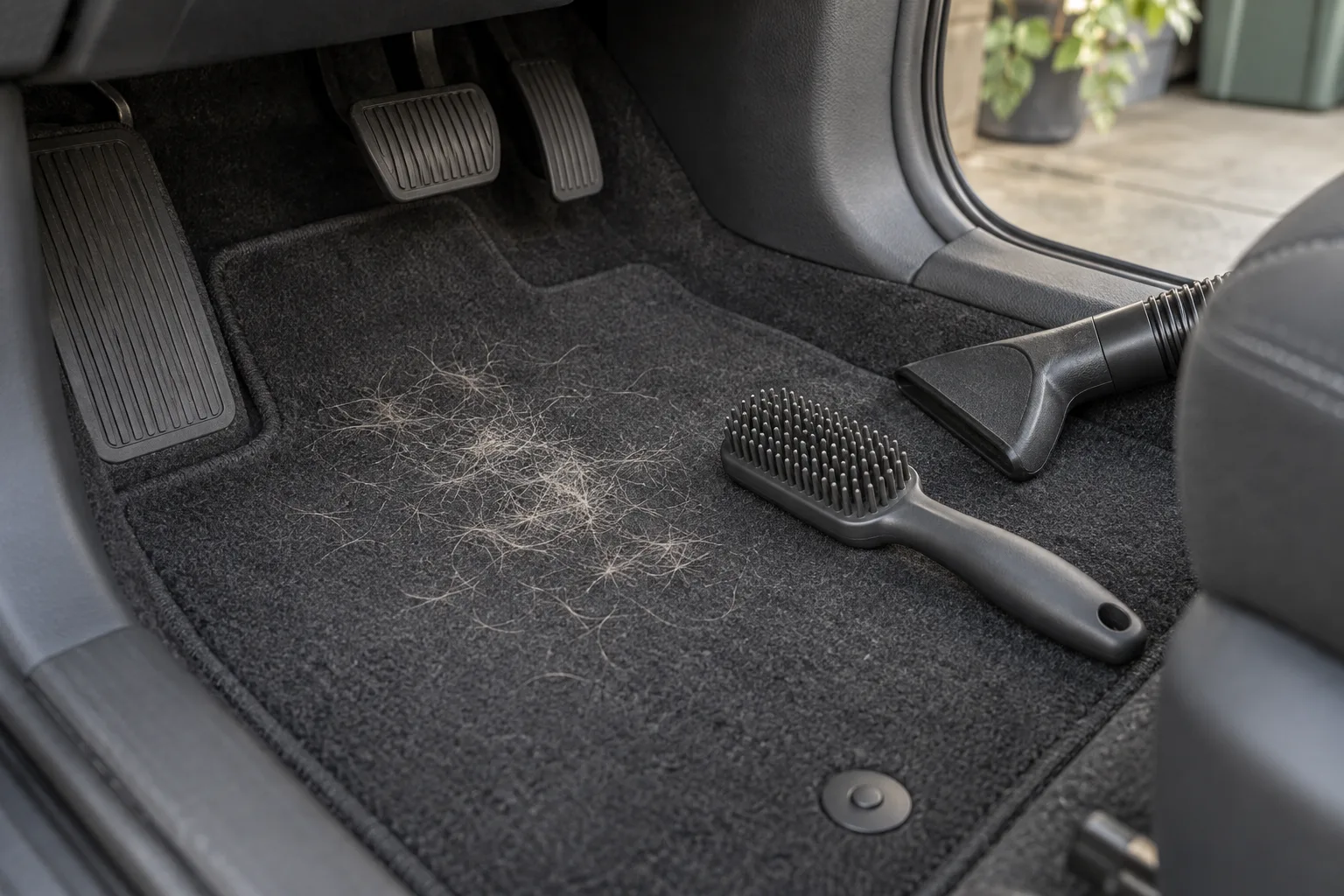
Detailing a car at home requires the right order of operations. Learn how to sequence wheels, wash, decontamination, polishing, protection, and interior care.
Research publication
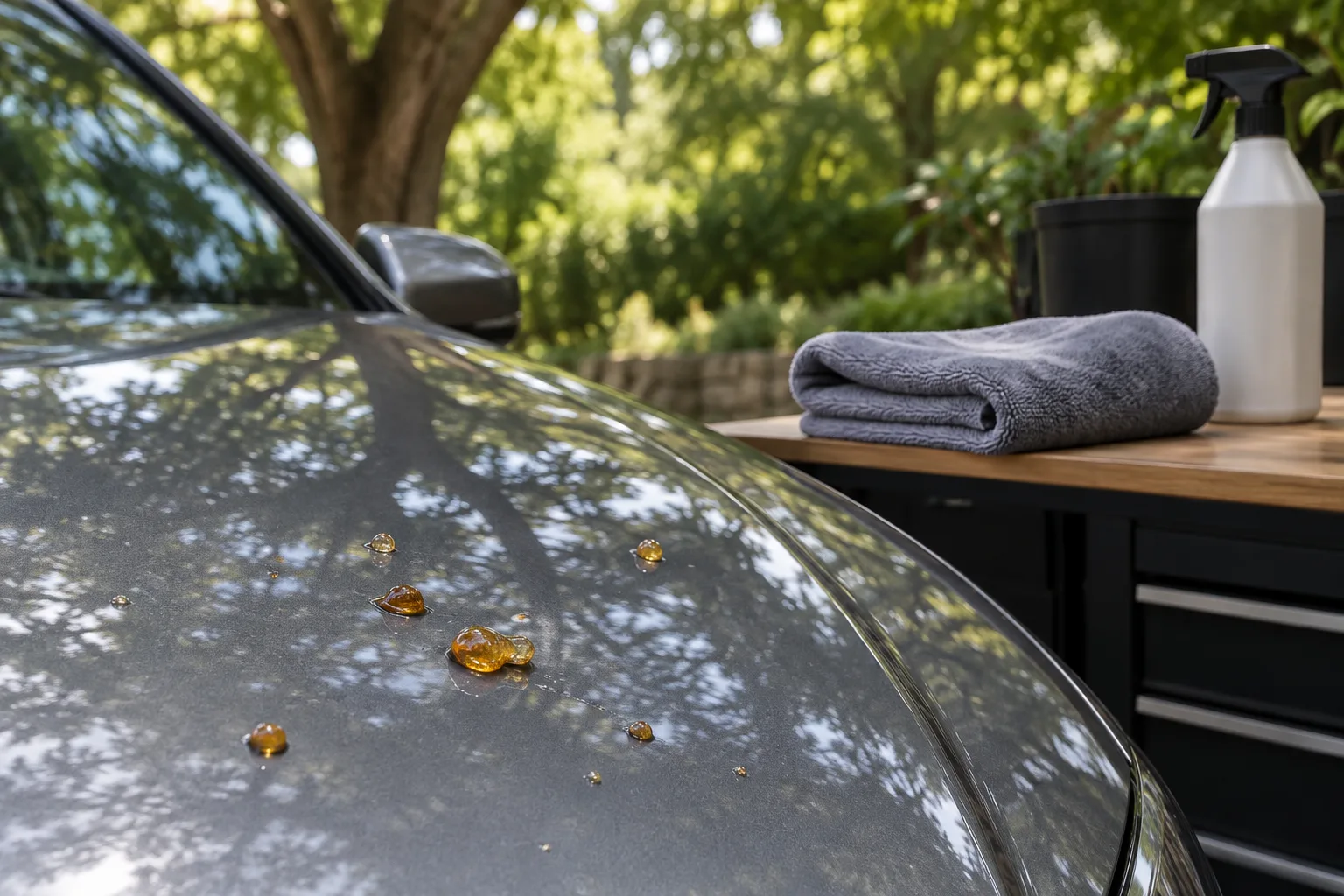
Restore yellowed, hazy polycarbonate headlights permanently. Learn progressive wet sanding grits, polishing clarity, and why UV clear coat sealing is essential.
Research publication
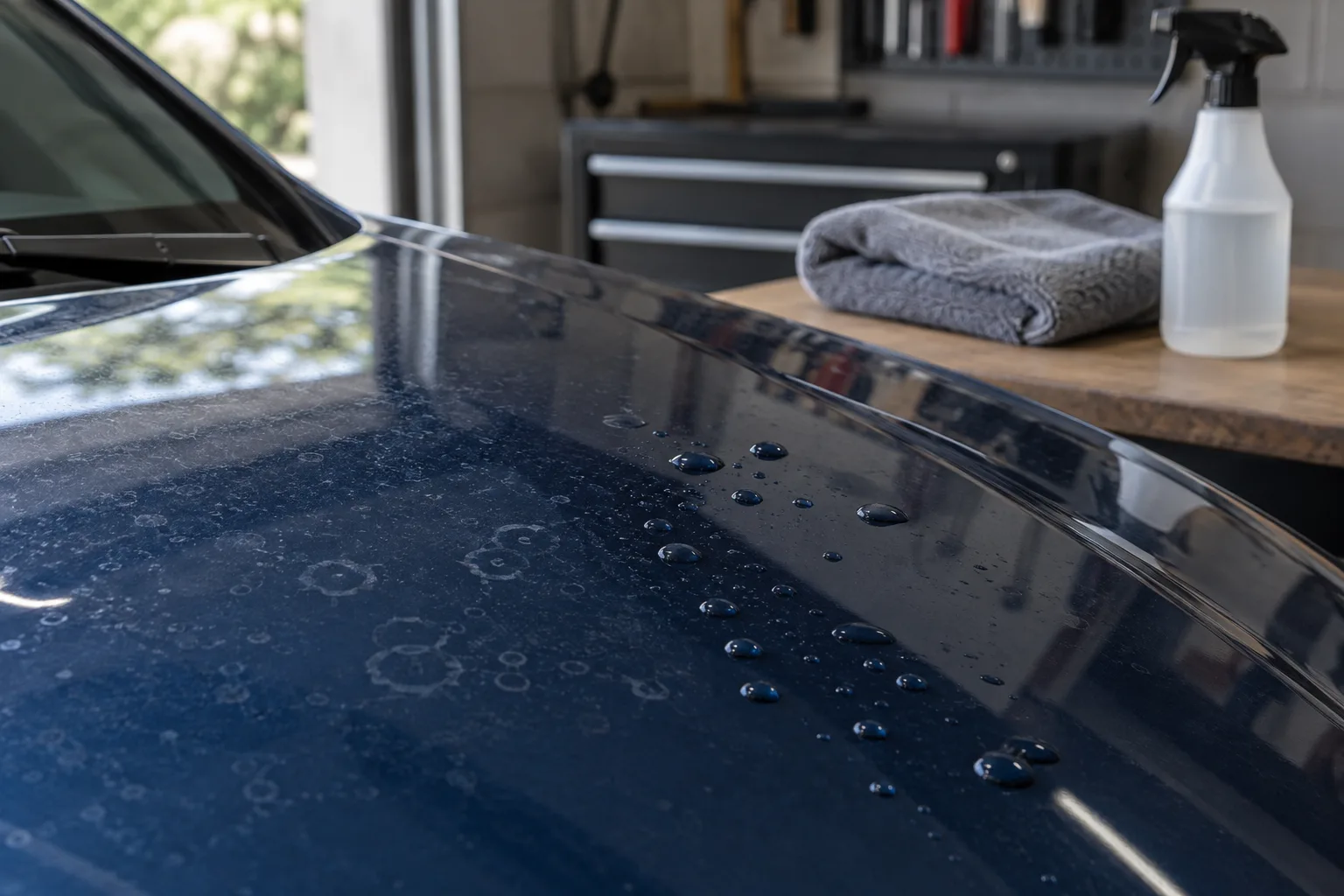
Learn how to use a dual action polisher safely on car paint. Step-by-step guide to pad priming, machine speeds, arm speed, test spots, and pad cleaning.
Research publication
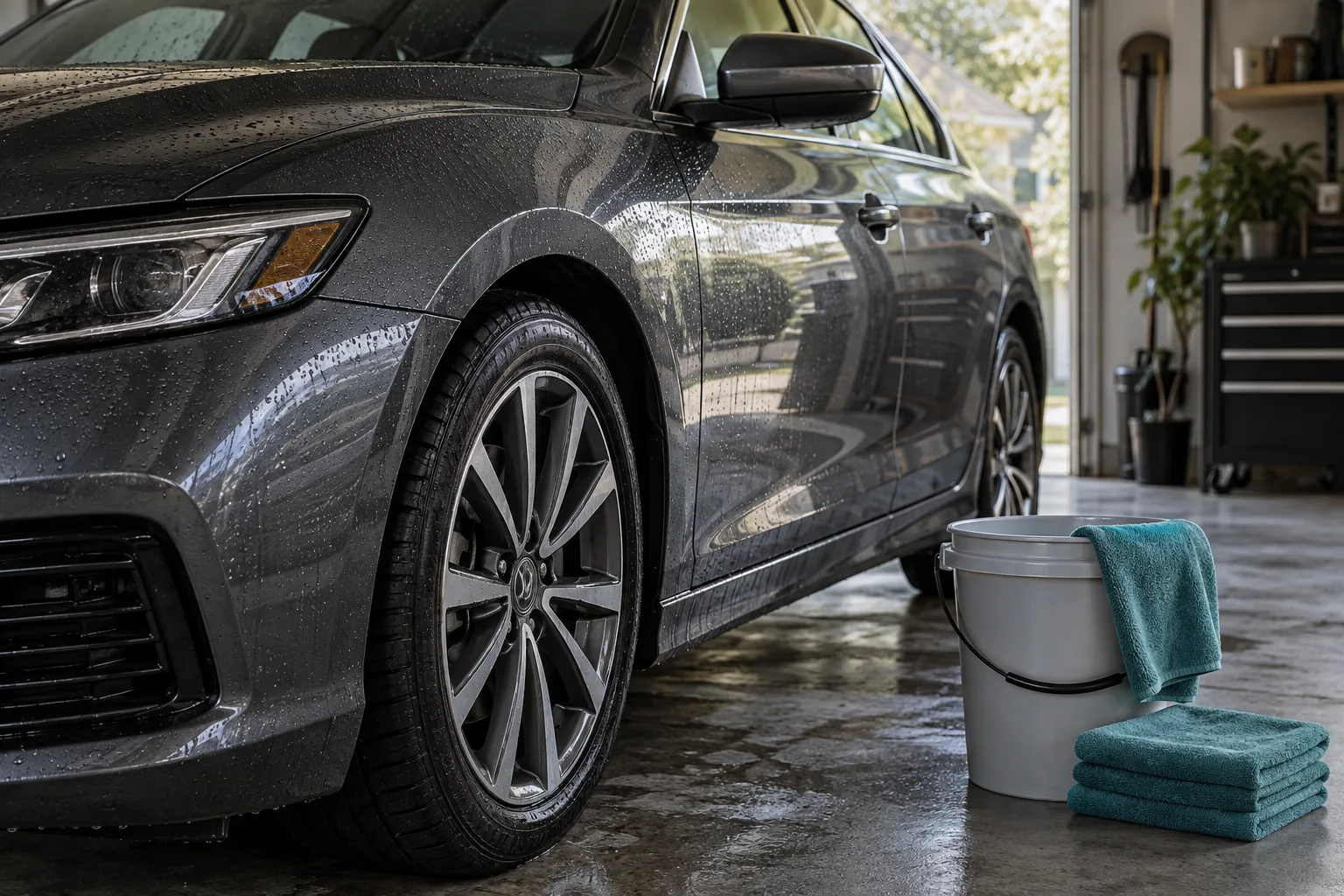
Protect your vehicle from winter road salt and liquid brine corrosion. Learn wash frequency, underbody flushing, paint sealants, and rust prevention methods.
Research publication
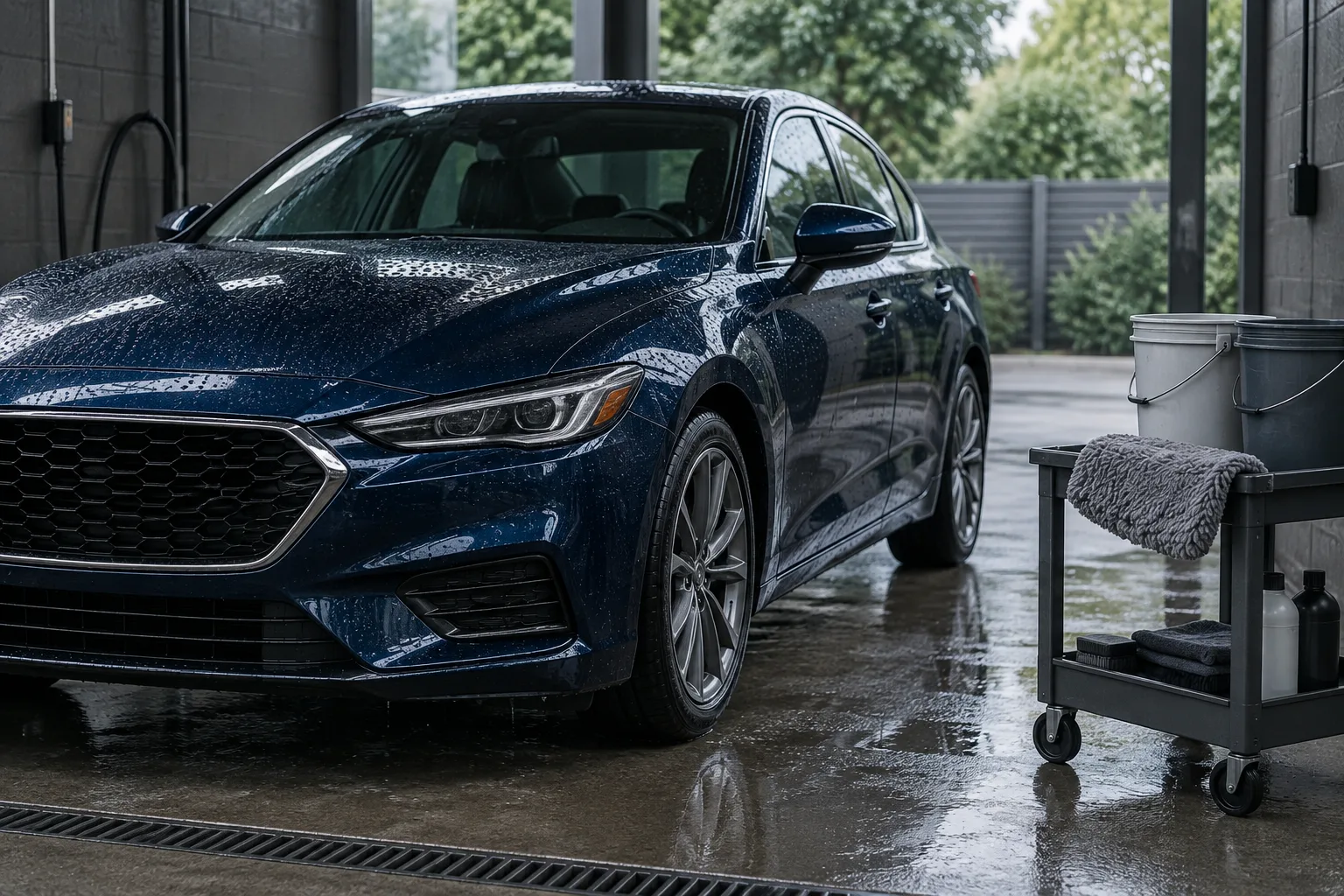
Compare a car drying towel and blower by contact, access, storage, and workflow. Learn when using both is useful and when another purchase adds little.
Research publication
Clean inside your windshield with controlled product, dedicated glass towels, a separate dry pass, and a check for tint or special glass-care restrictions.
Research publication
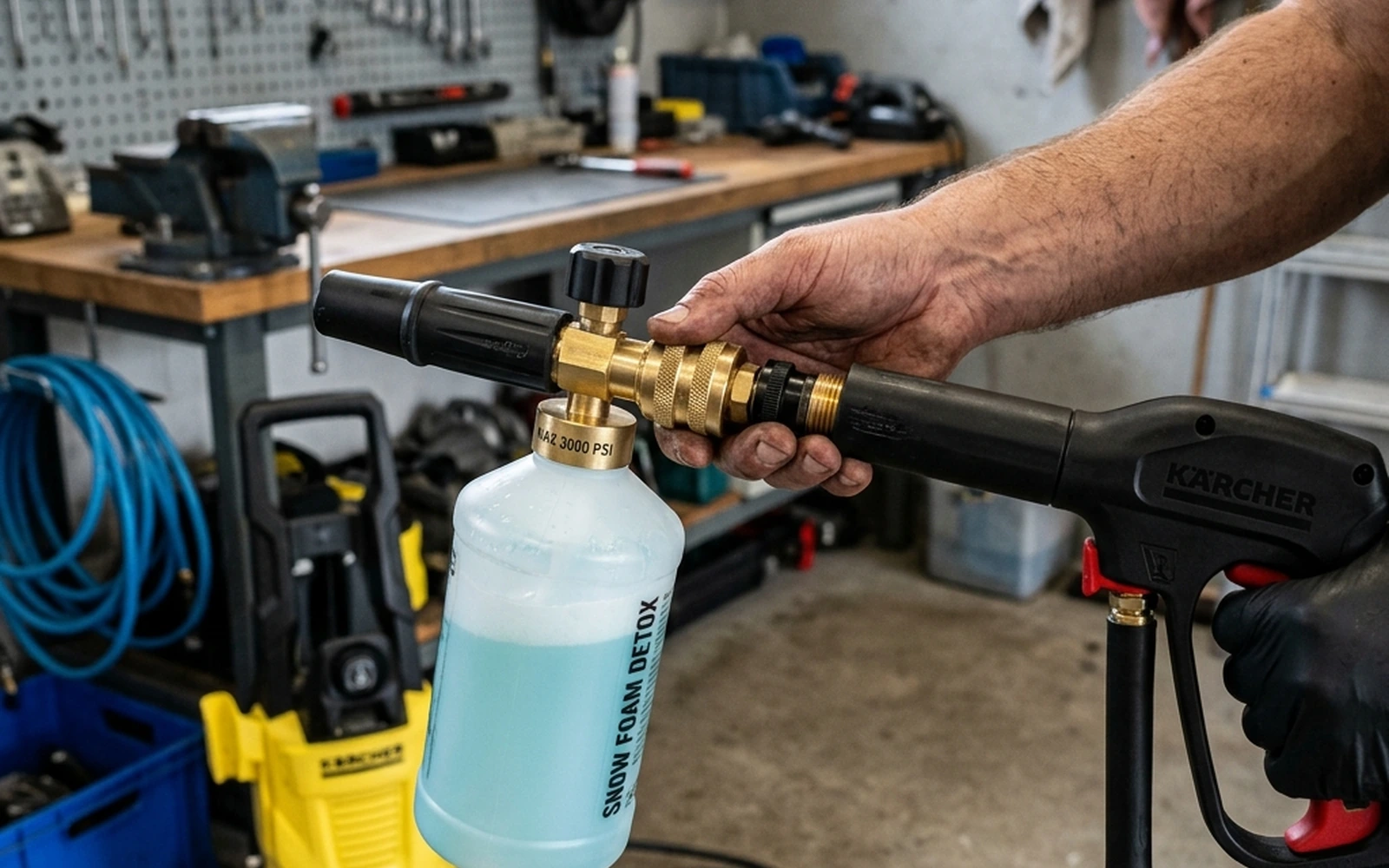
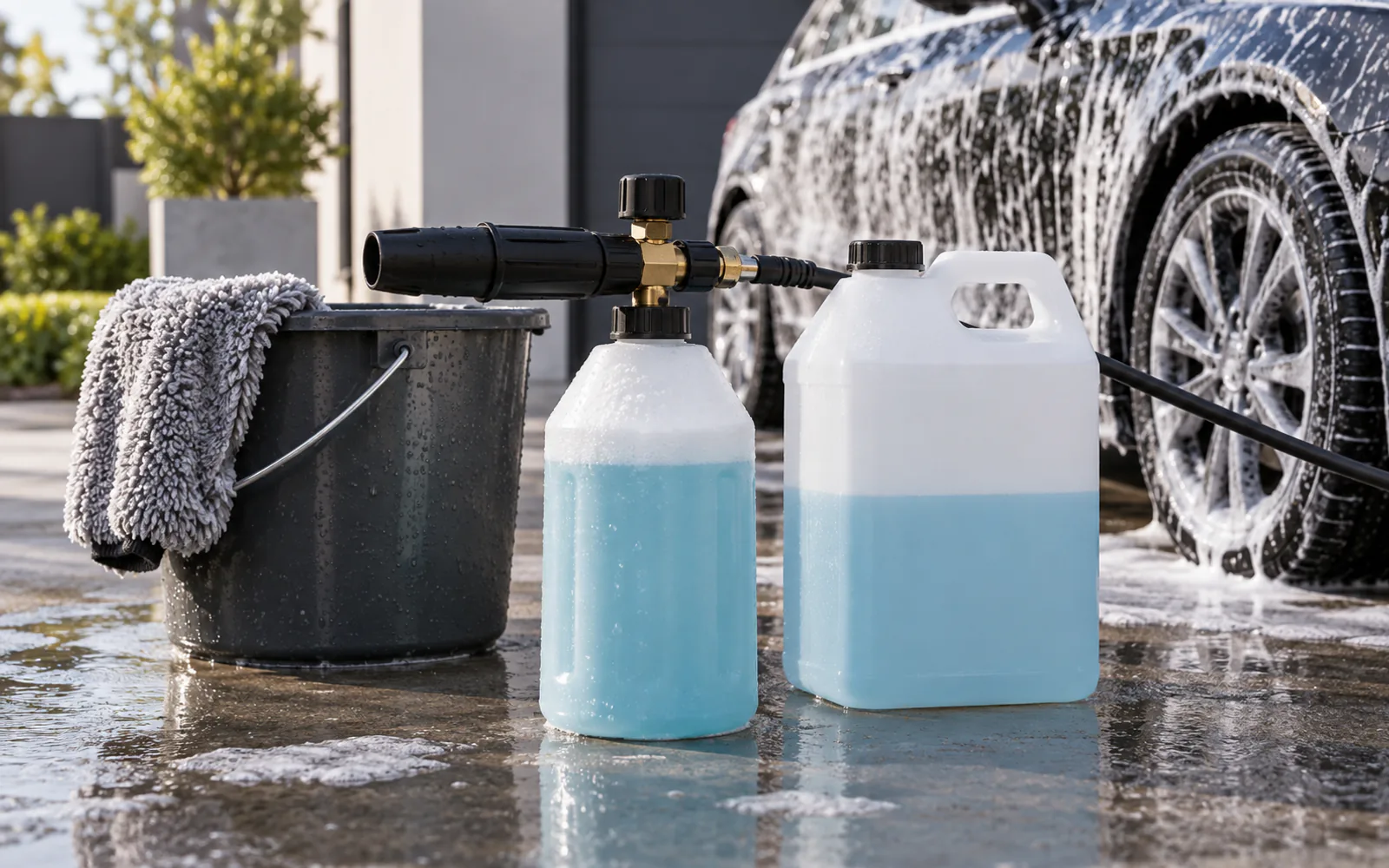
Troubleshoot a foam cannon that is not foaming by checking solution draw, dilution, water supply, fittings, and the filter before replacing equipment.
Research publication
Remove bird droppings from car paint with a soften-and-lift approach, recognize marks that need assessment, and prepare a small cleanup kit for travel.
Research publication
Remove loose and embedded pet hair from car carpet with a vacuum-and-tool sequence, gentle test passes, tool cleaning, and practical ways to limit buildup.
Research publication
Plan tree sap removal from car paint: wash first, check the finish and cleaner label, treat a small spot, and avoid scraping or unapproved solvent shortcuts.
Research publication
Identify water spots on car paint, choose a finish-compatible remover, distinguish deposits from possible etching, and build a drying routine that helps.
Research publication
Learn when a rinseless car wash makes sense, how to mix your wash solution, manage dirty towels, dry each panel, and recognize when a pre-rinse is needed.
Research publication
Build a ceramic coating maintenance routine around the installer’s instructions, compatible shampoo, careful drying, contamination checks, and clear stop points.
Research publication
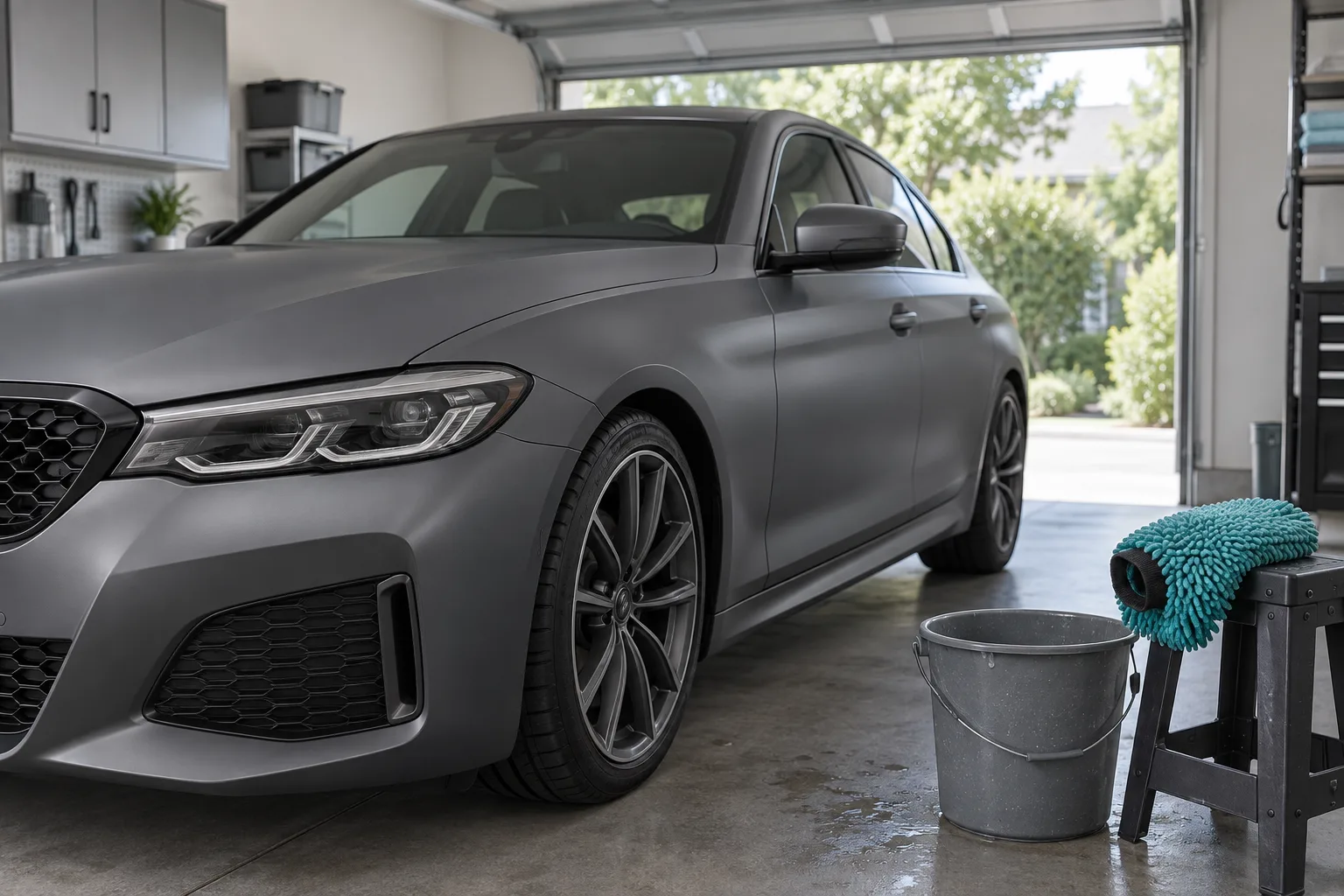
Care for matte car paint with finish-specific wash products, gentle contact, prompt spot cleaning, and clear limits on wax, clay, polish, and scratch removal.
Research publication
Plan a home detailing garage around water, power, drainage, lighting, storage, weather, and the tools you will really use.

DetailRig Editorial Contributor
A careful interior car-cleaning workflow for plastics, screens, leather, fabric, carpets, vents, and high-touch surfaces.

DetailRig Editorial Contributor
Choose car detailing brushes by bristle softness, reach, handle control, and the surface you need to clean instead of buying every brush in a bundle.

DetailRig Editorial Contributor
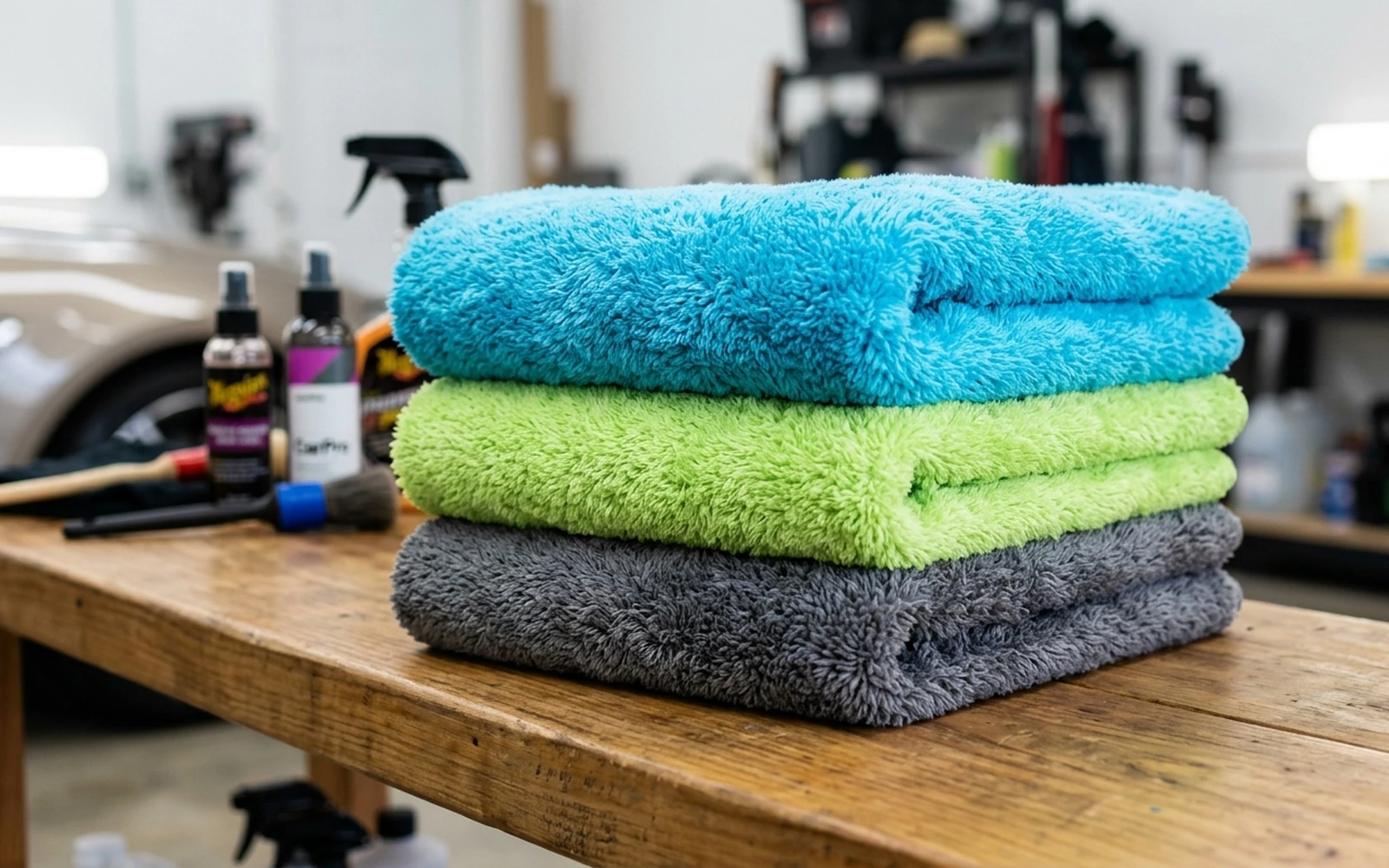
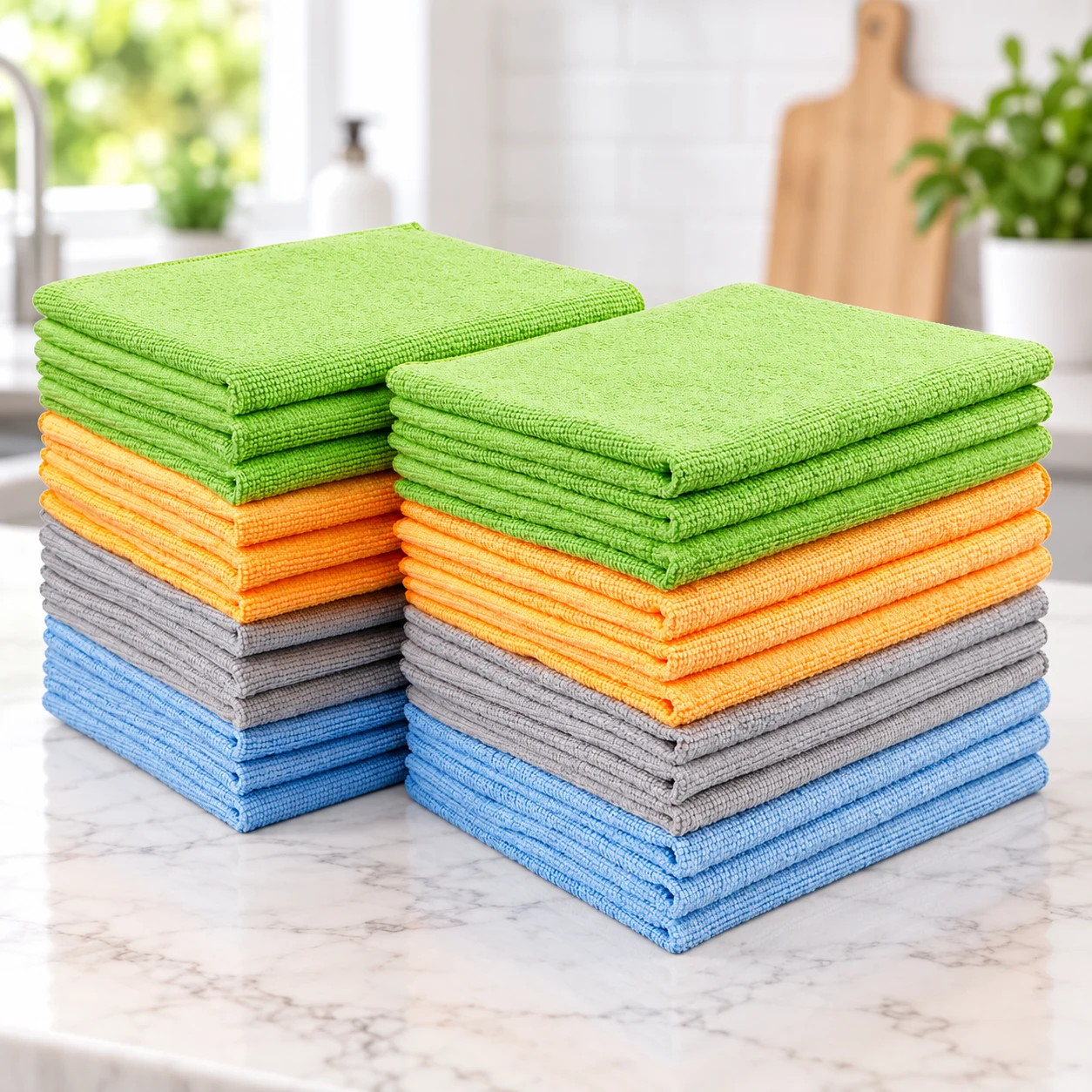
Learn how to choose a microfiber drying towel by size, weave, pile, handling, and laundering needs without treating GSM as a complete quality score.

DetailRig Editorial Contributor
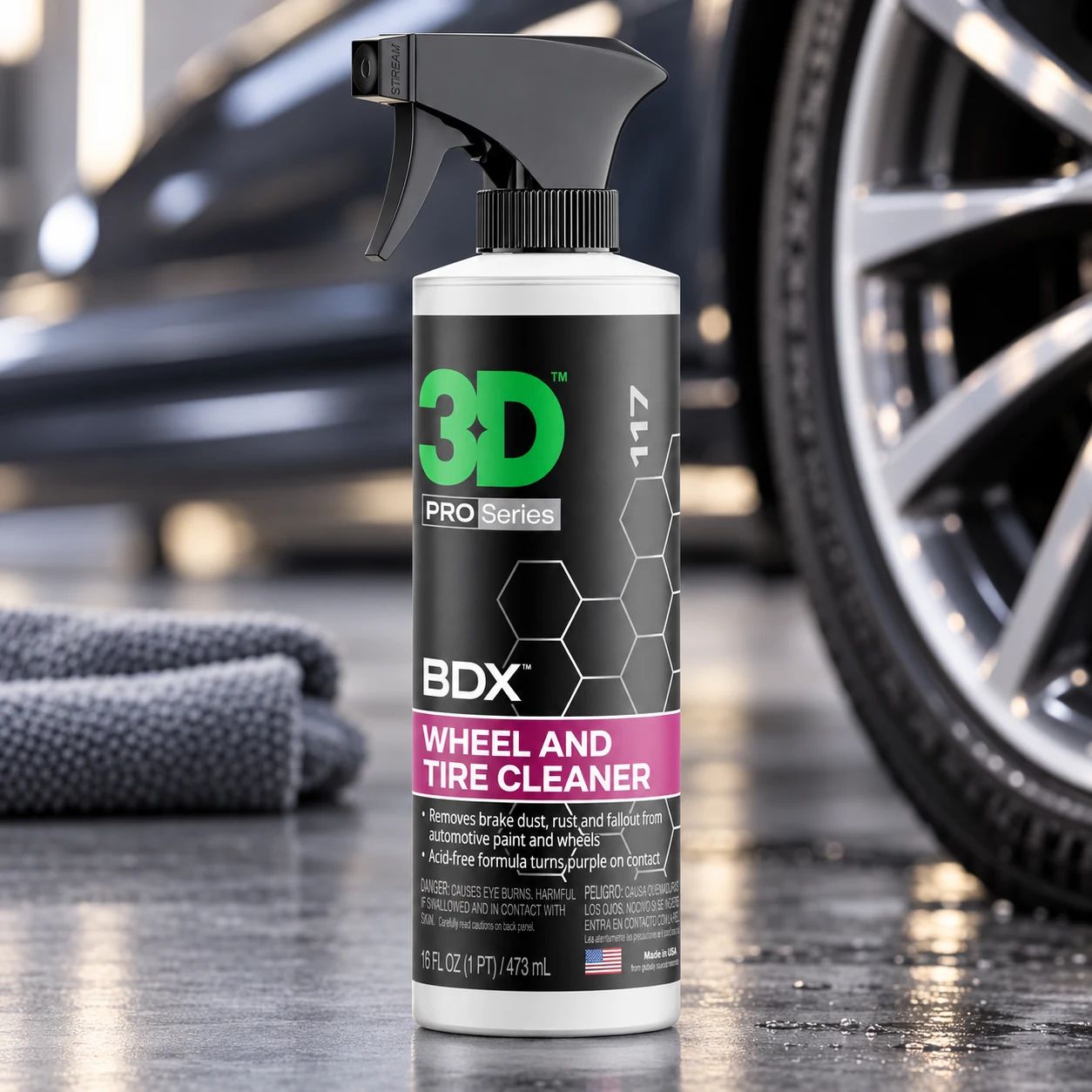
Choose a wheel cleaner by contamination, wheel finish, dwell time, agitation needs, and rinse control instead of relying on a universal “strongest” formula.

DetailRig Editorial Contributor
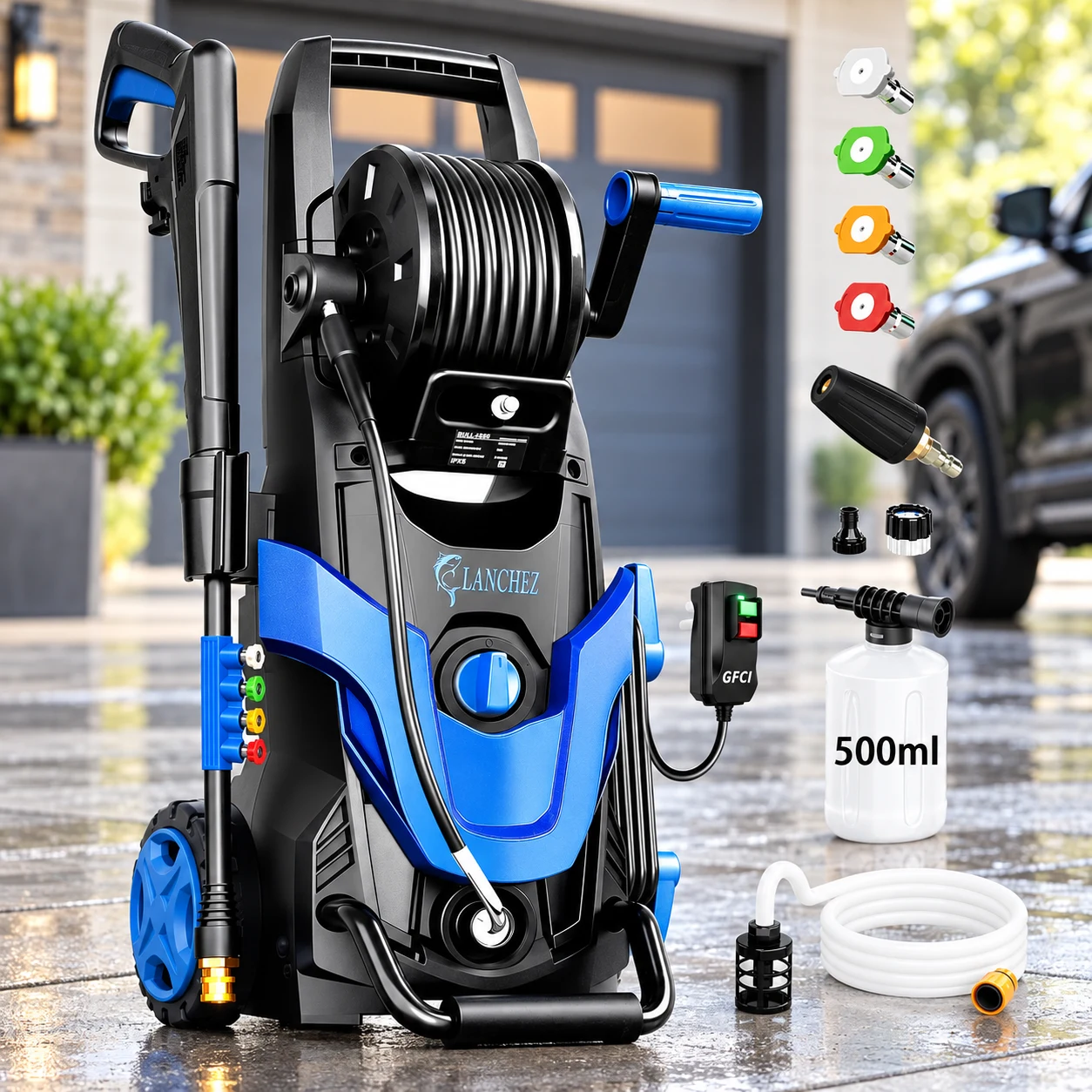
A practical guide to pressure washer accessories for car detailing, including nozzles, guns, surface cleaners, foam tools, and connection checks.

DetailRig Editorial Contributor
Clay bars give maximum control and feedback for first-timers and spot work; clay mitts cover whole cars 3–4x faster and survive being dropped. Here is when each one wins.

DetailRig Editorial Contributor
Most thin-foam problems are dilution problems, not cannon problems. Start at 1–2 oz of soap per 32 oz bottle, tune with the ratio knob, and match the orifice to your pressure washer's flow.

DetailRig Editorial Contributor
Yes — 1800 PSI is enough for routine car washing, and flow (GPM) matters more than pressure for safe, fast rinsing. Here is the data from our garage lab and what to check before you buy.

DetailRig Editorial Contributor
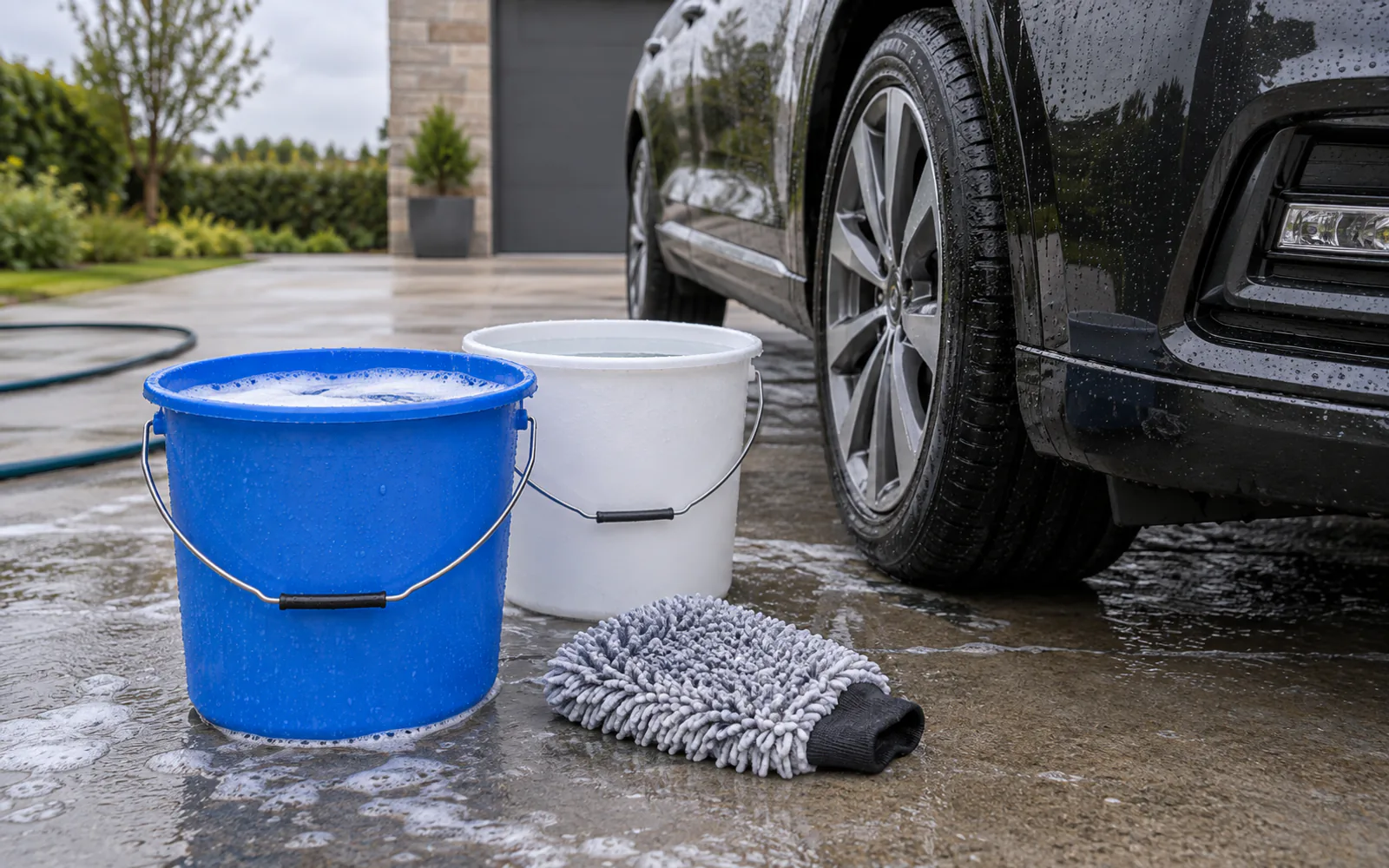
Most swirl marks come from the wash, not the road. Here is how the two-bucket method works, why grit guards matter, and the exact sequence that keeps dirt off your paint.

DetailRig Editorial Contributor