Table of Contents(5 sections)
What does GSM mean on a microfiber towel?
GSM is grams per square meter: cut a one-meter square of the fabric and weigh it. A 300 GSM towel uses 300 grams of fiber per square meter; a 900 GSM towel uses three times that. More fiber means a thicker, thirstier, generally softer towel — and a higher price. It is a density number, not a quality grade: a well-woven 350 GSM towel outperforms a sloppy 700 GSM one.
Which GSM for which detailing job?
| Job | GSM range | Typical weave | Why it fits |
|---|---|---|---|
| Buffing wax / sealant residue | 250–350 | Short-pile terry | Low lint, firm bite on residue, easy to flip to a clean face |
| Interior wiping and dust | 300–400 | Short-to-mid terry | Thin enough for vents and seams, rinses clean easily |
| General all-purpose exterior | 400–600 | Mid-pile terry | Balance of absorbency and control |
| Waterless / rinseless washing | 400–600 | Plush mid-pile | Deep enough pile to lift dirt away from paint |
| Drying standing water | 600–1200+ | Twist-loop or waffle | Maximum water capacity per pass |
| Coating leveling | 250–350 edgeless | Short-pile, edgeless | No edge stitching to mar fresh coating |
Does weave matter more than GSM?
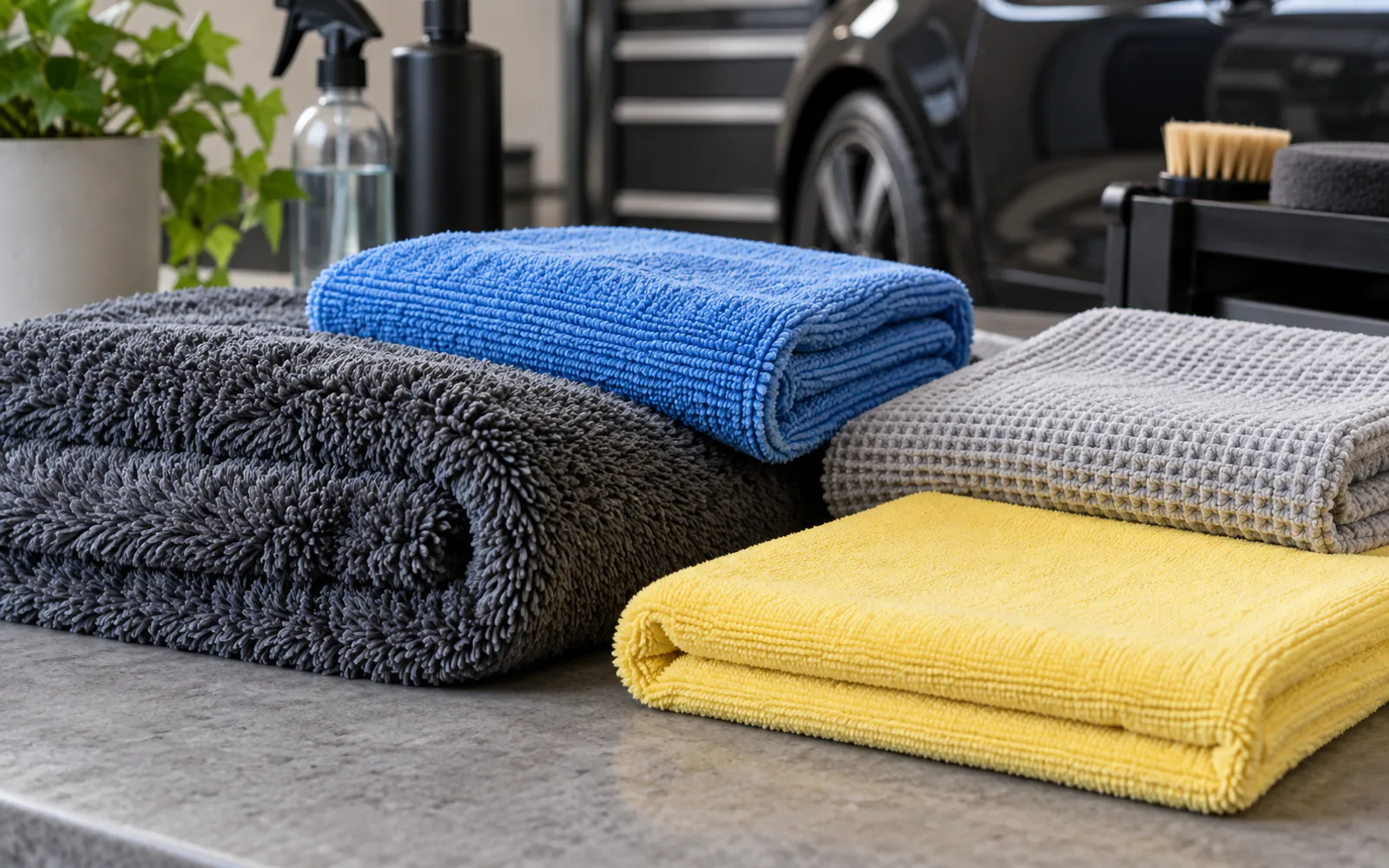
Often, yes. Twisted-loop weaves drink water off a panel faster than any terry of the same weight, which is why modern drying towels advertise the weave before the number. Waffle weaves spread water thin and dry glass streak-free. Short-pile terry releases product residue cleanly when buffing. Choose the weave for the job first, then pick the GSM that gives you the thickness you want within that weave.
What about blend and edging?
- Blend: 70/30 polyester-to-polyamide is the soft, absorbent standard for paint; 80/20 is stiffer and fine for interiors and wheels.
- Edging: edgeless or ultrasonic-cut towels remove the hard stitched border that can mar soft paint and fresh coatings.
- Color-coding: reserve one color for paint, another for wheels and dirty jobs — cross-contamination is how towels scratch.
- Origin: Korean-made microfiber has the strongest reputation for consistent splitting and softness in detailing circles.
GSM marketing trap
A huge GSM number on a cheap listing usually means thick, unsplit fibers that push product around instead of picking it up. Fiber splitting and weave quality determine whether a towel absorbs or smears — buy from suppliers that publish blend and weave, not just a big number.
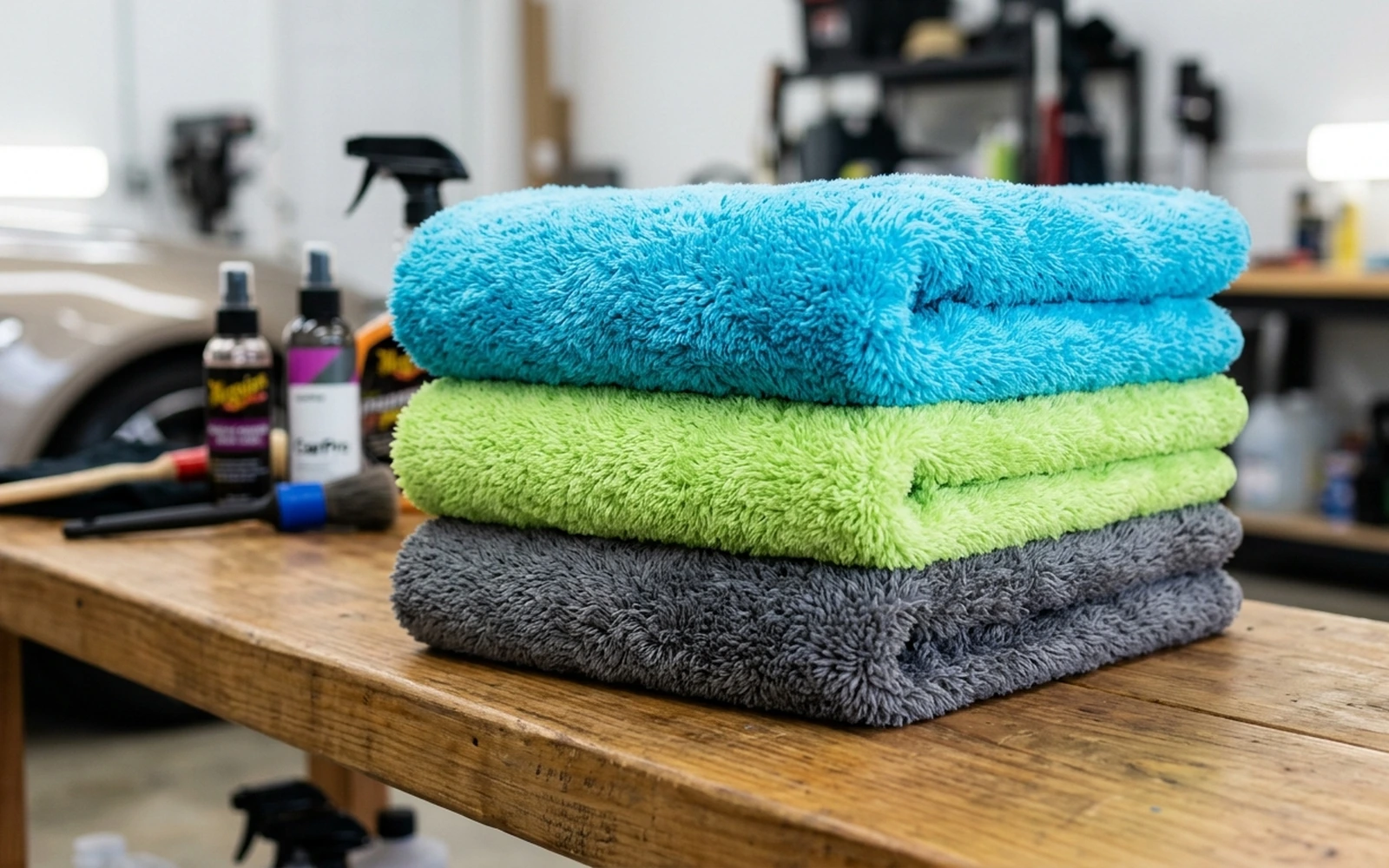
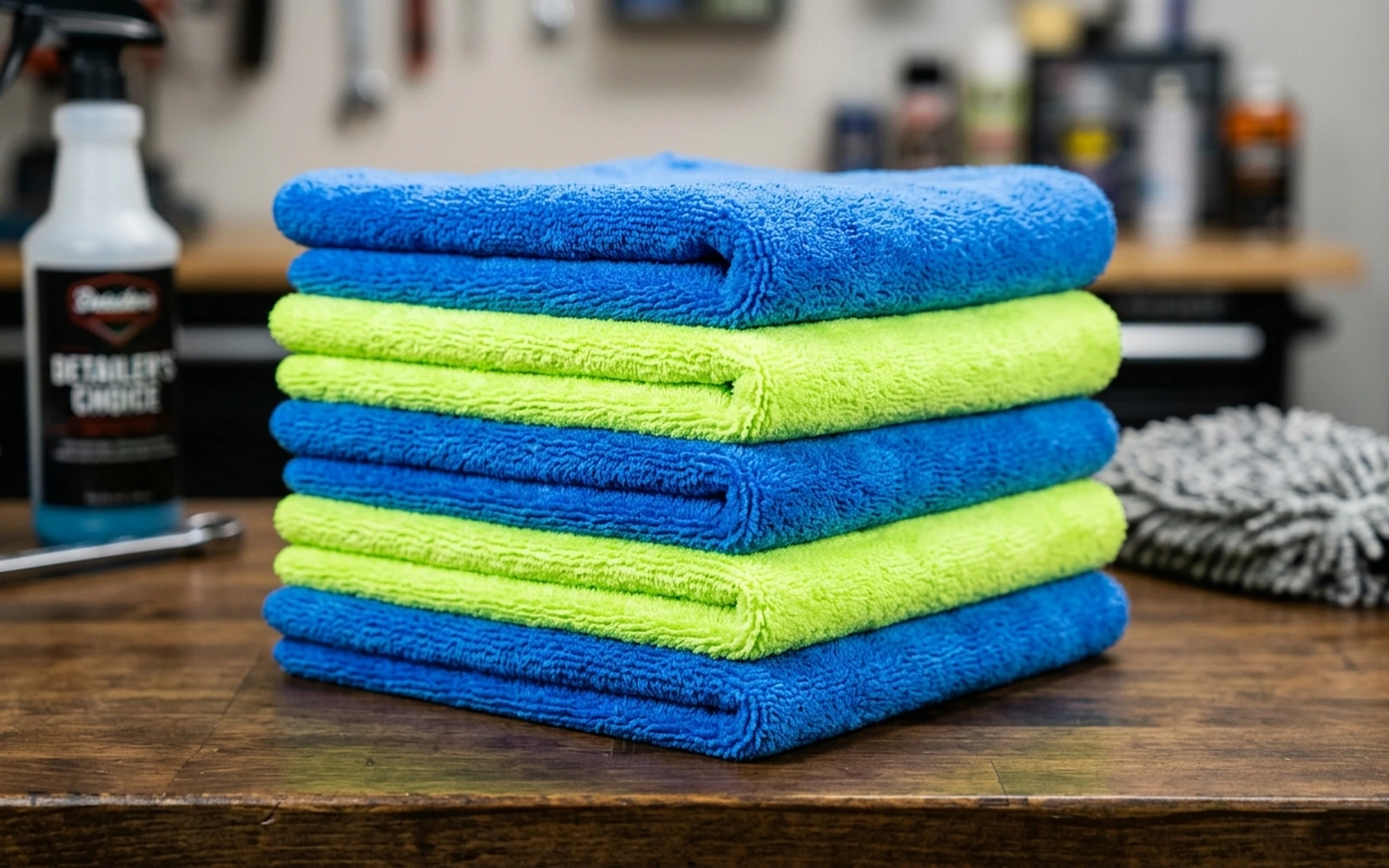
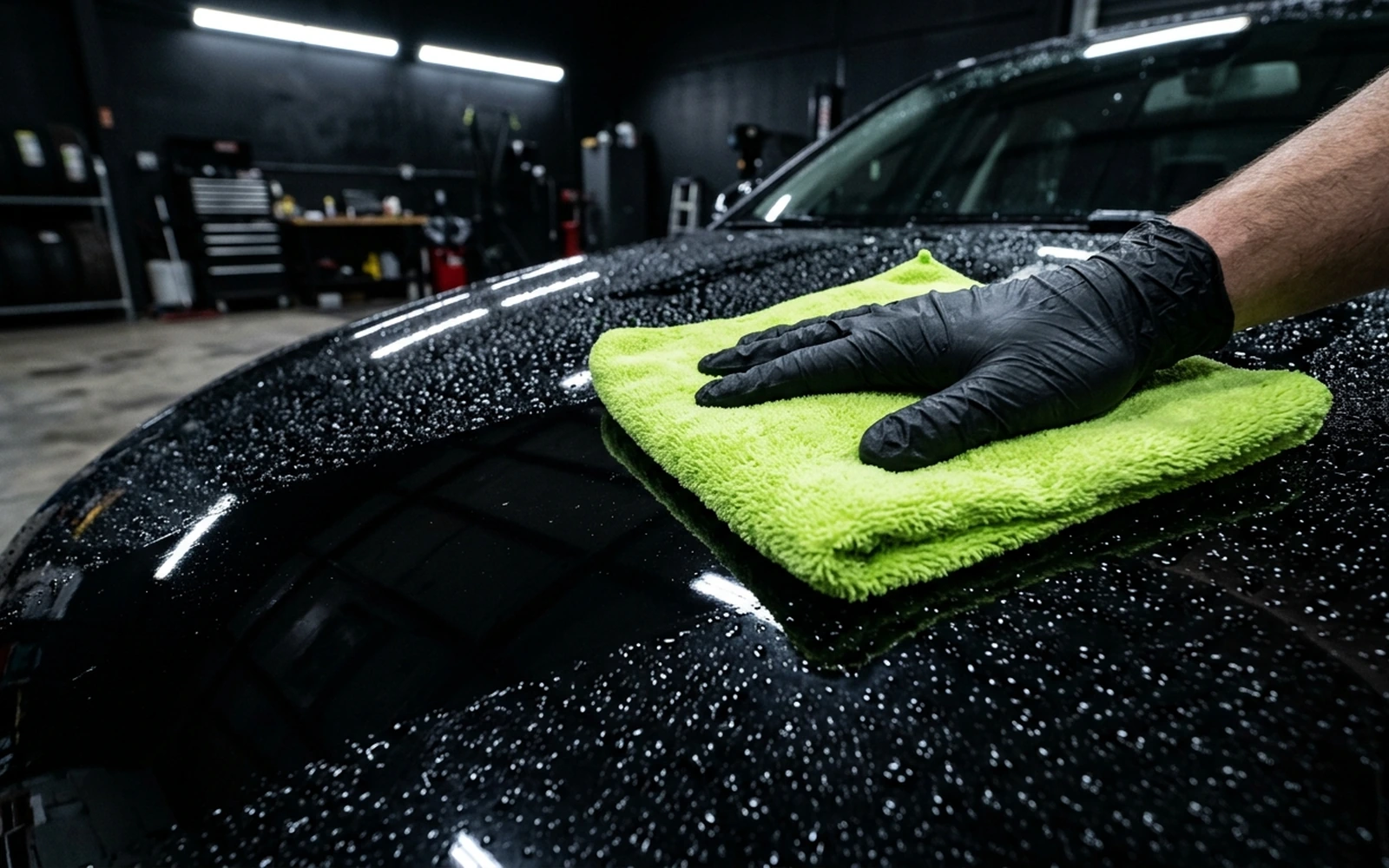
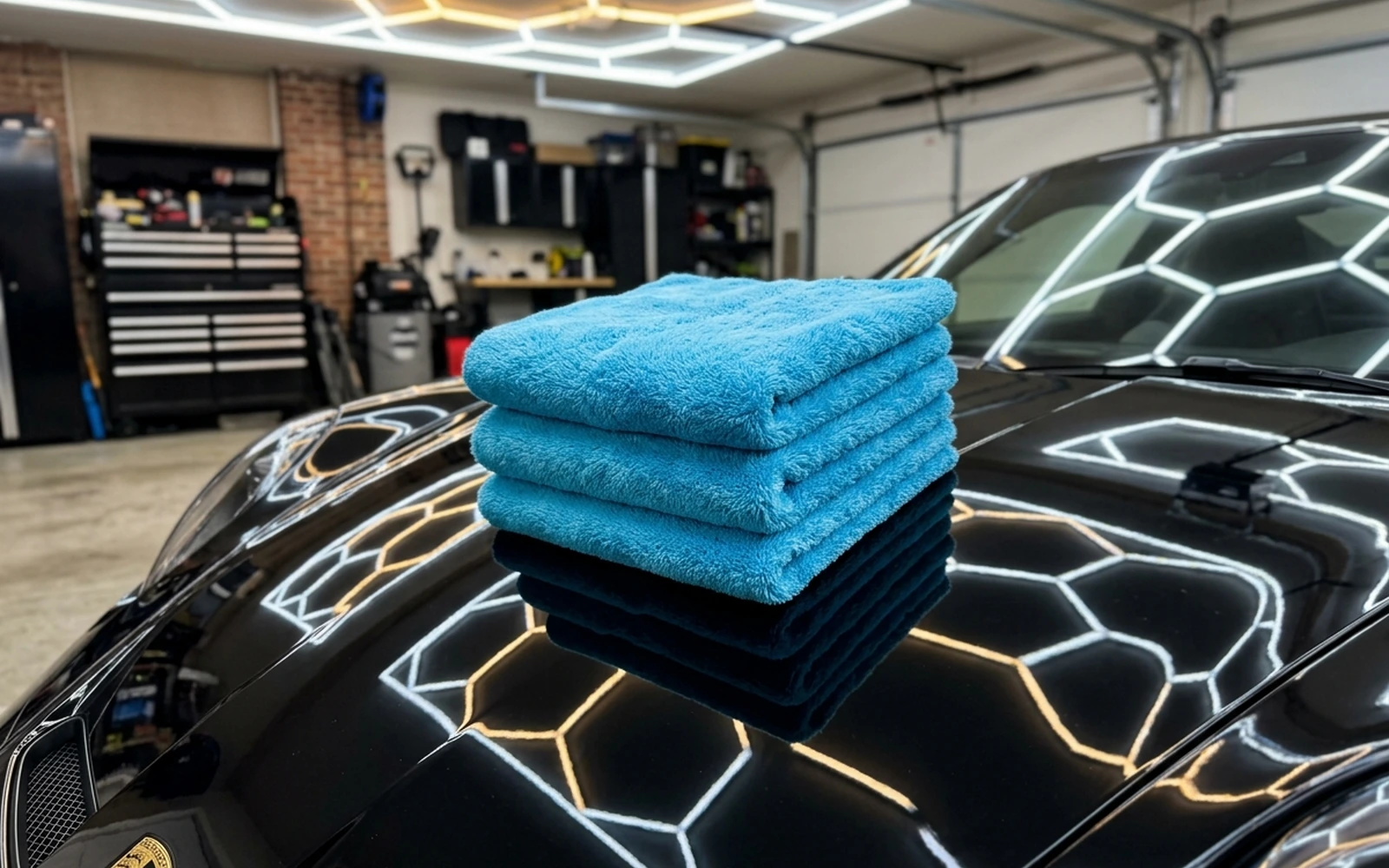
Product profiles for Amazon Basics Microfiber Cleaning Cloths, AIDEA Microfiber Cleaning Cloth 24 Pack, and Blackline Microfiber Car Drying Towel 24"x36" are linked here so you can compare the supplied evidence, images, and trade-offs before buying.
Straight answers
Frequently Asked Questions
Answers based on the evidence and sources identified in this article.
Is higher GSM always better for car towels?
No. Higher GSM is better only where absorbency is the job — drying. For buffing residue or leveling coatings, lower GSM short-pile towels work better because they grip product instead of soaking it up and smearing.
What GSM is best for drying a car?
Twist-loop drying towels in the 600–1200+ GSM range clear a wet panel in one or two passes. Weave matters as much as weight here — a 700 GSM twist-loop usually outperforms a 1200 GSM standard terry.
How many microfiber towels do I need to detail a car?
A workable starter set is 2 large drying towels, 6–8 general-purpose towels for product removal, and 4–6 utility towels for wheels, door jambs, and interiors. Wash them properly and the set lasts years.
What is the main answer about microfiber gsm explained?
GSM stands for grams per square meter — how much the microfiber fabric weighs, which tells you how thick and absorbent the towel is. Lower GSM (250–350) suits buffing off wax and quick detailers; mid GSM (400–600) is the versatile range for interiors and general wiping; high GSM and twist-loop weaves (600–1200+) are built for drying. GSM says nothing about fiber quality — weave and blend matter just as much.
Who is this microfiber gsm explained guidance for?
This guidance is for drivers and detailers comparing a practical microfiber gsm explained workflow. Match the advice to your vehicle, surface, climate, tools, and experience rather than treating it as a universal rule.
What should I check before choosing a product?
Check the intended surface, compatibility, included accessories, maintenance requirements, return terms, and current merchant information. Product pages linked from this article show their evidence status and supplied sources.
Can beginners use this microfiber gsm explained advice?
Yes, beginners can use it as a decision framework. Start with the least aggressive suitable method, work on a small area when appropriate, and follow the product maker’s current instructions and safety guidance.
Are the products in this article independently tested?
The evidence level is shown on the linked product pages. A researched profile uses supplied records, sources, and media; it should not be read as a DetailRig hands-on test unless the page explicitly says tested.
Does this article include live product prices?
No exact live price is promised. Use the current merchant link to check availability, shipping, returns, regional fit, and the price shown at checkout because those details can change.
What is the main answer about microfiber gsm explained?
GSM stands for grams per square meter — how much the microfiber fabric weighs, which tells you how thick and absorbent the towel is. Lower GSM (250–350) suits buffing off wax and quick detailers; mid GSM (400–600) is the versatile range for interiors and general wiping; high GSM and twist-loop weaves (600–1200+) are built for drying. GSM says nothing about fiber quality — weave and blend matter just as much.
Where to buy
Recommended Gear in this Guide
The Rag Company The Gauntlet Microfiber Drying Towel (900 GSM)
Hybrid twist-loop and plush design pulls up to 8x its weight in water with zero surface drag.
The Rag Company Eagle Edgeless 500 (500 GSM)
Edgeless circular knit microfiber ensures zero scratch risk on soft delicate clearcoats.
DetailRig is reader-supported. Recommendations follow each page's evidence label (tested, used, or researched), and we never accept paid placement. When you buy through our links, we may earn an affiliate commission at no extra cost to you.
References & Sources
- DetailRig wash-process field notes, 2024–2026 garage sessions
- Manufacturer specification sheets for microfiber towels (blend, weave, GSM)
- Amazon Best Sellers: Car Care Tools & Equipment, accessed 2026-09-11
- Google Keyword Planner snapshot: United States + United Kingdom, English, Google Search, Sep 2025-Aug 2026; location scope excludes Pakistan.

Marcus Vance
ContributorDetailRig Editorial Contributor
Maintains equipment evaluations, methodology notes, and garage-workflow coverage. Professional credentials are withheld pending publisher verification.