Table of Contents(4 sections)
Evidence status: researched
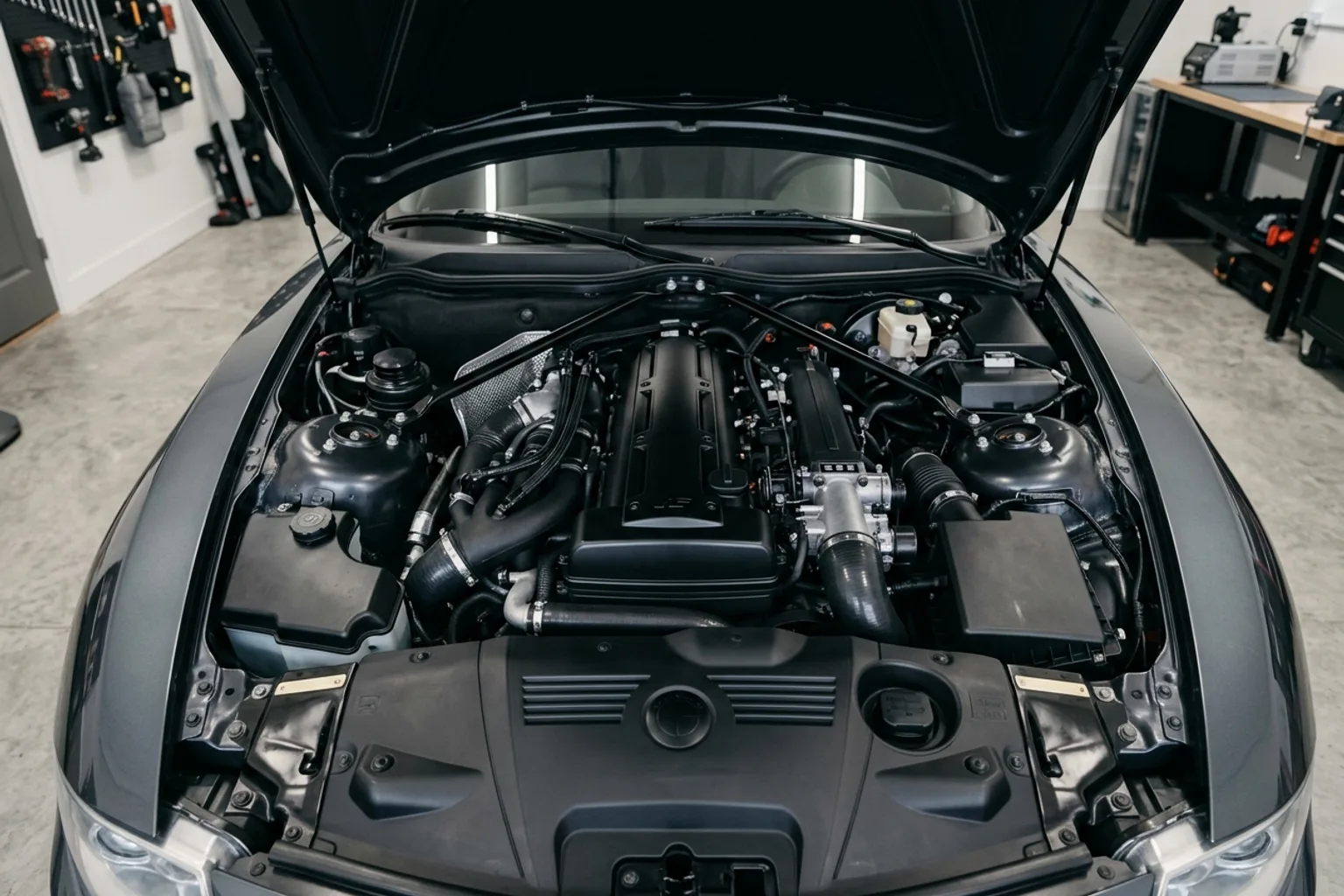
Modern vehicle engine bays feature weather-pack rubber-sealed electrical connectors rated for splashing, but they are not pressure-vessel sealed against high-pressure wash wands. This guide synthesizes CRC and OEM shop manual guidance.
What critical preparation must you complete before introducing water?
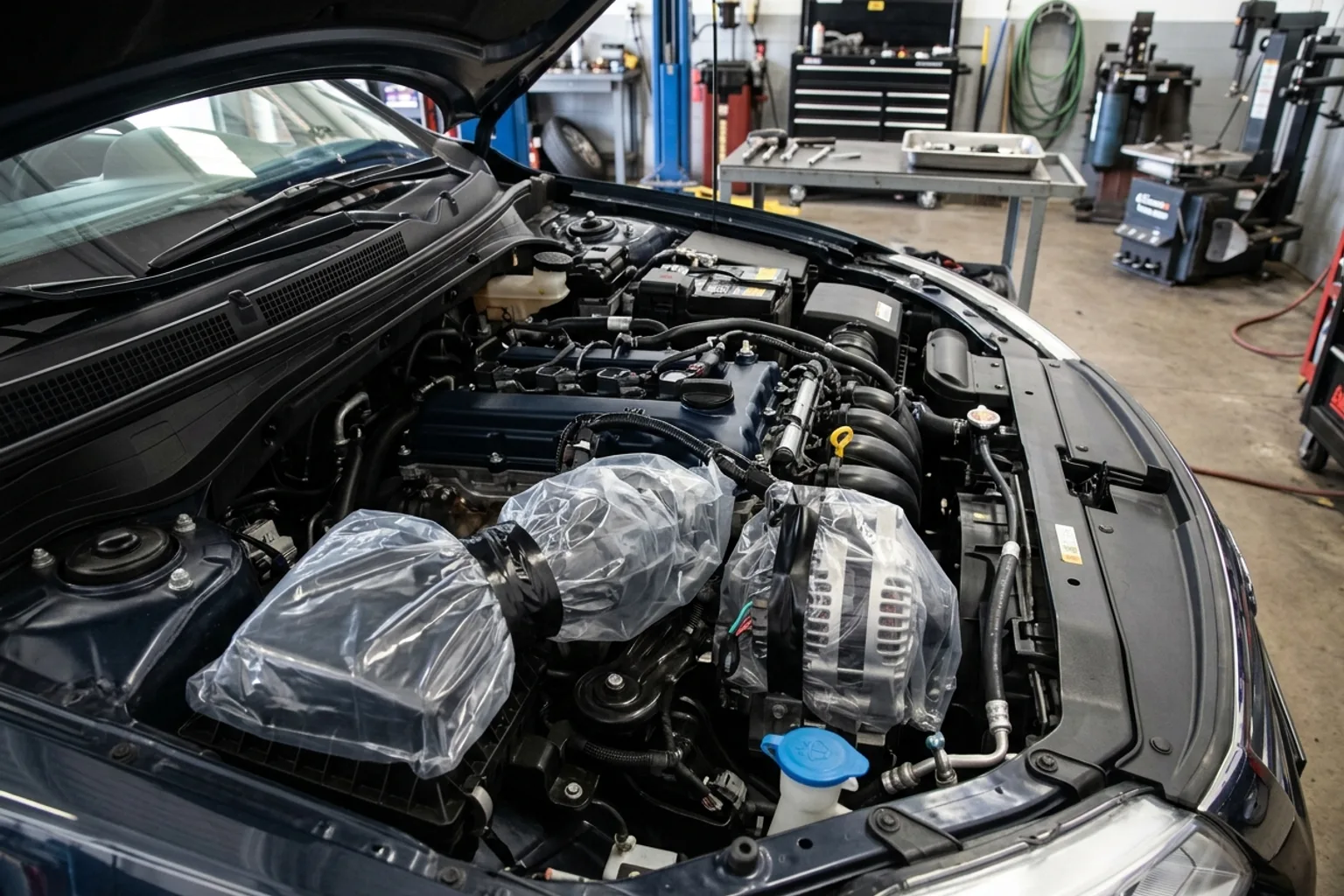
Never spray cold water onto a hot engine. Thermal shock can crack cast iron exhaust manifolds, warp aluminum cylinder heads, or shatter sensor housings. Wait until the engine block is cool to the touch. Next, seal vulnerable components: cover the alternator, aftermarket open cone filters, battery terminals, and fuse boxes with plastic grocery bags secured with tape.
What is the step-by-step engine bay cleaning sequence?
The 5-step safe engine bay cleaning sequence
5 stepsBlow out dry leaves and debris
Use compressed air or a leaf blower to clear dry leaves, pine needles, and dust from the cowl and firewall crevices.
Apply water-based automotive degreaser
Spray a mild, non-acidic citrus or water-based degreaser across plastic covers, metal brackets, and strut towers, avoiding open wire harnesses.
Agitate with detailing brushes
Work greasy areas with a soft-bristle detailing brush and an angled radiator brush to break down oil film and baked-on dust.
Gentle low-pressure rinse
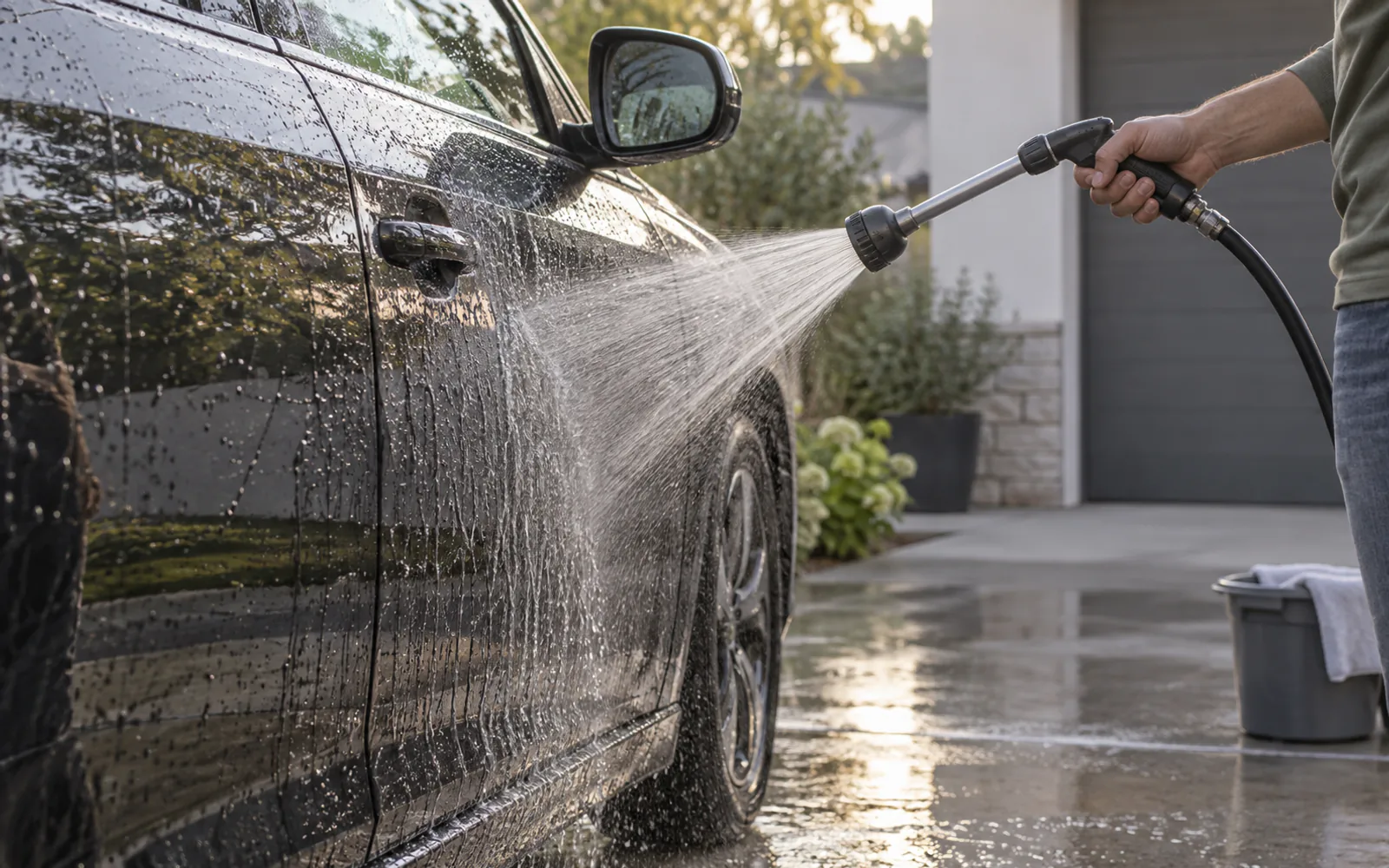
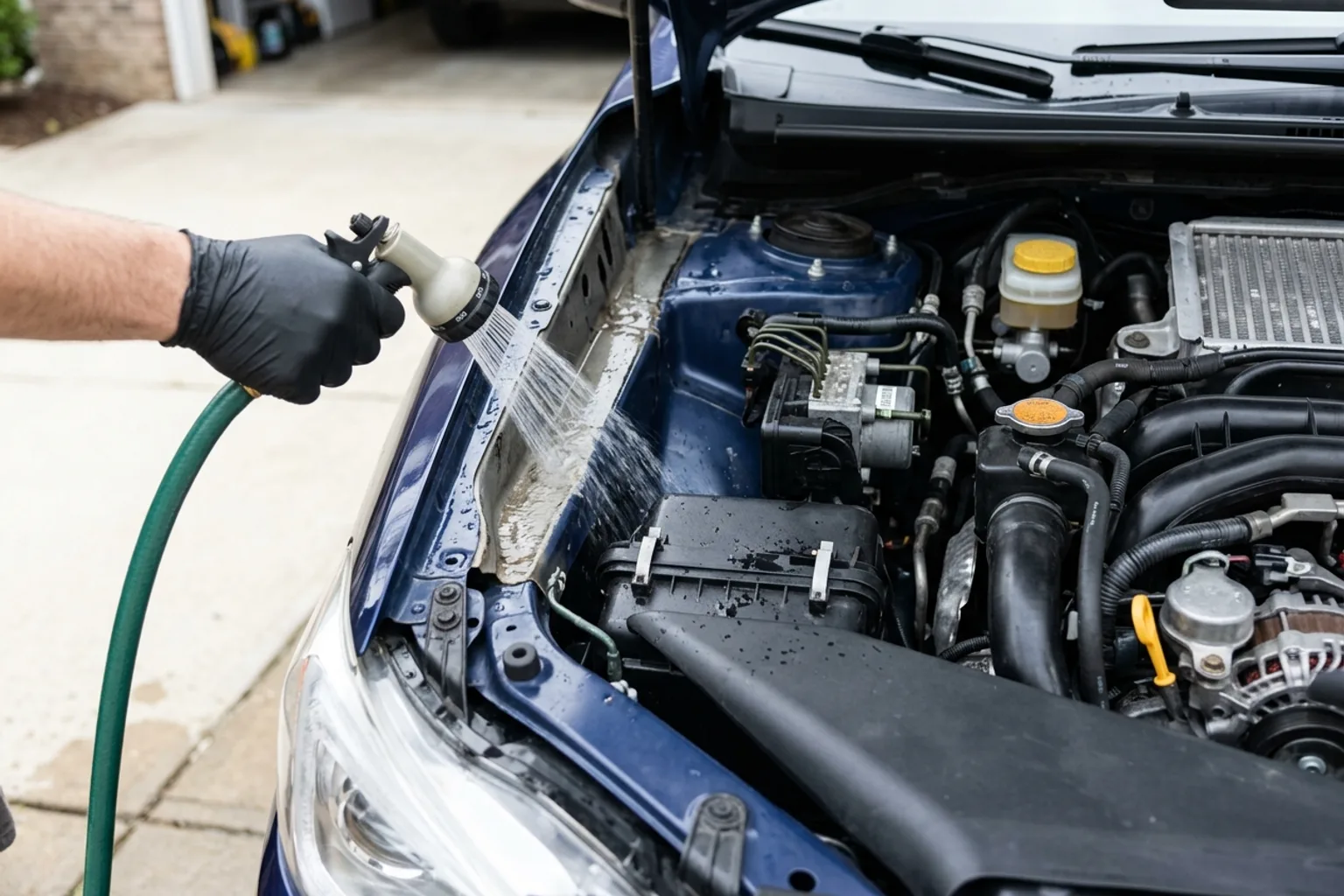
Use a garden hose with a shower setting or gentle trickle to rinse away emulsified dirt, moving from top to bottom.
Blow-dry, unwrap, and heat-evaporate
Blow standing water out of spark plug wells and connectors, remove plastic bags, start the engine, and let it idle for 15 minutes to evaporate moisture.
Why should you never use a high-pressure washer directly on an engine?
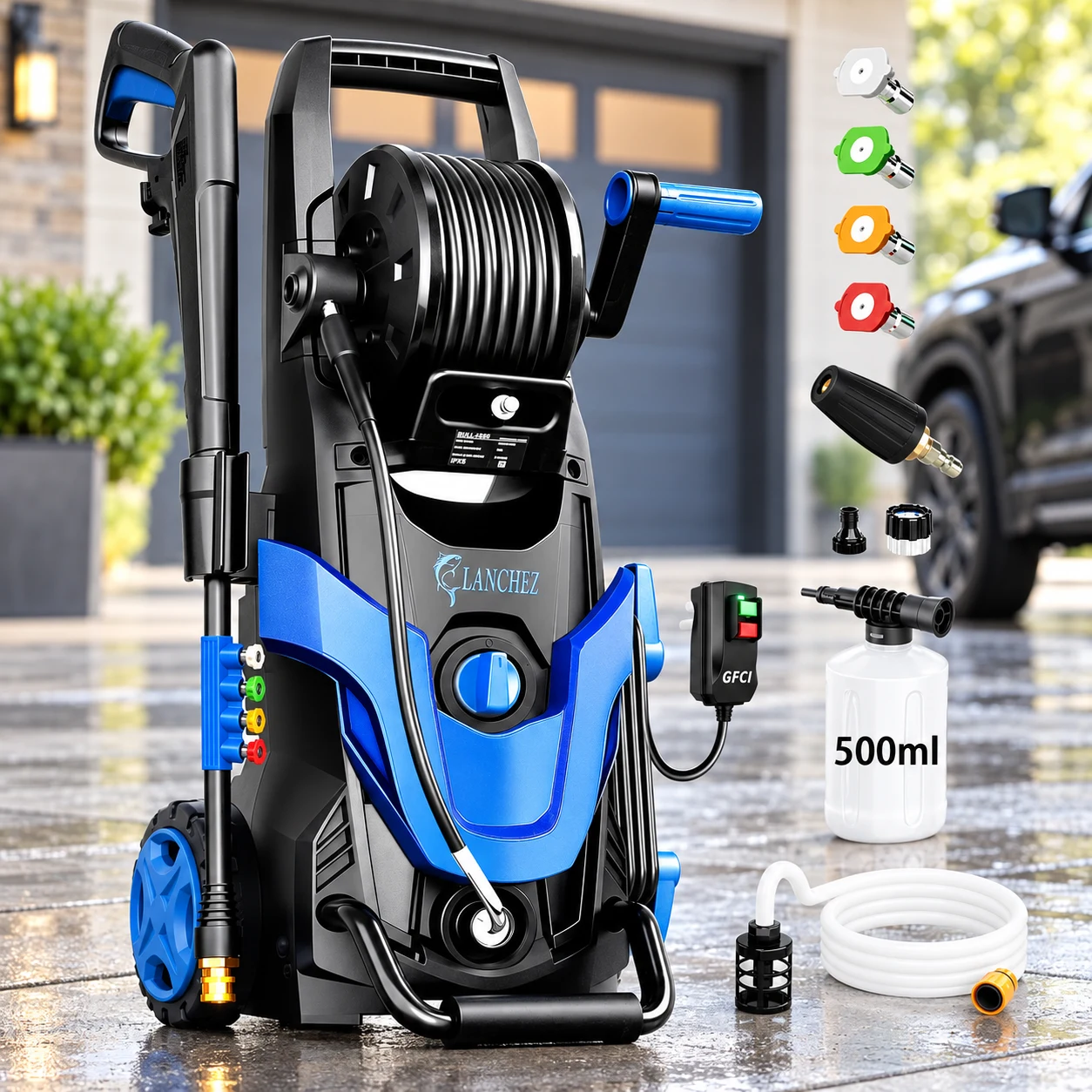
A pressure washer operating at 1,500 to 2,500 PSI forces water past weather-pack electrical seals, penetrating engine control modules (ECUs), mass airflow sensors, and alternator diode packs. Chemical degreaser and mechanical brush agitation do the heavy lifting; a gentle rinse is all that is required.
Never dress engine plastics with flammable silicone sprays
Avoid cheap silicone-based tire shines or solvent sprays under the hood. They leave a greasy film that collects dust and pose fire risks near exhaust components. Use water-based engine dressings.
Straight answers
Frequently Asked Questions
Answers based on the evidence and sources identified in this article.
Will cleaning my engine bay cause an electrical check engine light?
If you cover the alternator, battery, and open intake, avoid high water pressure, and blow standing water out of spark plug wells before starting, the risk of check engine lights is virtually zero.
Can you clean an engine bay on hybrid or electric vehicles (EV)?
Exercise extreme caution with hybrid/EV models. Never spray water near orange high-voltage wiring, inverter units, or drive battery packs. Stick to damp microfiber towel wipe-downs.
How often should you detail your car engine bay?
Deep cleaning once or twice a year (typically in spring after winter salt and in autumn before winter storage) keeps engine bays spotless and makes leak detection easy.
Where to buy
Recommended Gear in this Guide
Active 2.0 1800 PSI 2.0 GPM Pressure Washer
Our lab-tested standard for safe automotive flow and pressure.
DetailRig is reader-supported. Recommendations follow each page's evidence label (tested, used, or researched), and we never accept paid placement. When you buy through our links, we may earn an affiliate commission at no extra cost to you.
References & Sources
- CRC Industries: Automotive Degreasing Best Practices and Electrical Safety (crcindustries.com)
- Underwriters Laboratories (UL): Weather-Pack Electrical Enclosure Standards in Automotive Applications
- ASE Certified Master Mechanics: Engine Compartment Maintenance and Washing Guidelines

DetailRig Editorial
ContributorResearch publication
DetailRig Editorial publishes source-linked car-care explainers. These articles synthesize manufacturer instructions and clearly separate research from documented hands-on testing.