Ceramic Coating Maintenance: A Wash Decision Guide
Build a ceramic coating maintenance routine around the installer’s instructions, compatible shampoo, careful drying, contamination checks, and clear stop points.
Sources verified:
Table of Contents(5 sections)
Evidence: researched
This guide combines the linked manufacturer instructions with editorial decision-making advice. DetailRig has not performed a controlled test for this article; product-specific claims remain attributed to their manufacturers.
Start with the installation record
The most useful maintenance accessory is a record of what was applied. Keep the coating name, application date, installer’s contact details, first-wash instructions, and any warranty inspection requirements together. Coating is a broad product category, so a schedule found online may not match your system. If the car was coated before you owned it, establish the product before adding a different maintenance layer.
This guide addresses routine cleaning decisions, not a guarantee of coating life. Our article on how long ceramic coating lasts explains why exposure, installation, and care matter. A wash can remove contamination and make the surface easier to inspect; it cannot demonstrate how many years of protection remain.
Routine wash for a cured coating
Confirm that washing is permitted
Follow the coating or installer cure instructions. If those are missing, ask before applying detergents or maintenance sprays.
Remove loose contamination
Rinse or use the approved pre-wash process. Keep chemicals off hot panels and avoid letting them dry.
Contact wash carefully
Use the recommended shampoo and clean, suitable wash media. Work from cleaner upper areas toward dirtier lower panels.
Rinse and dry
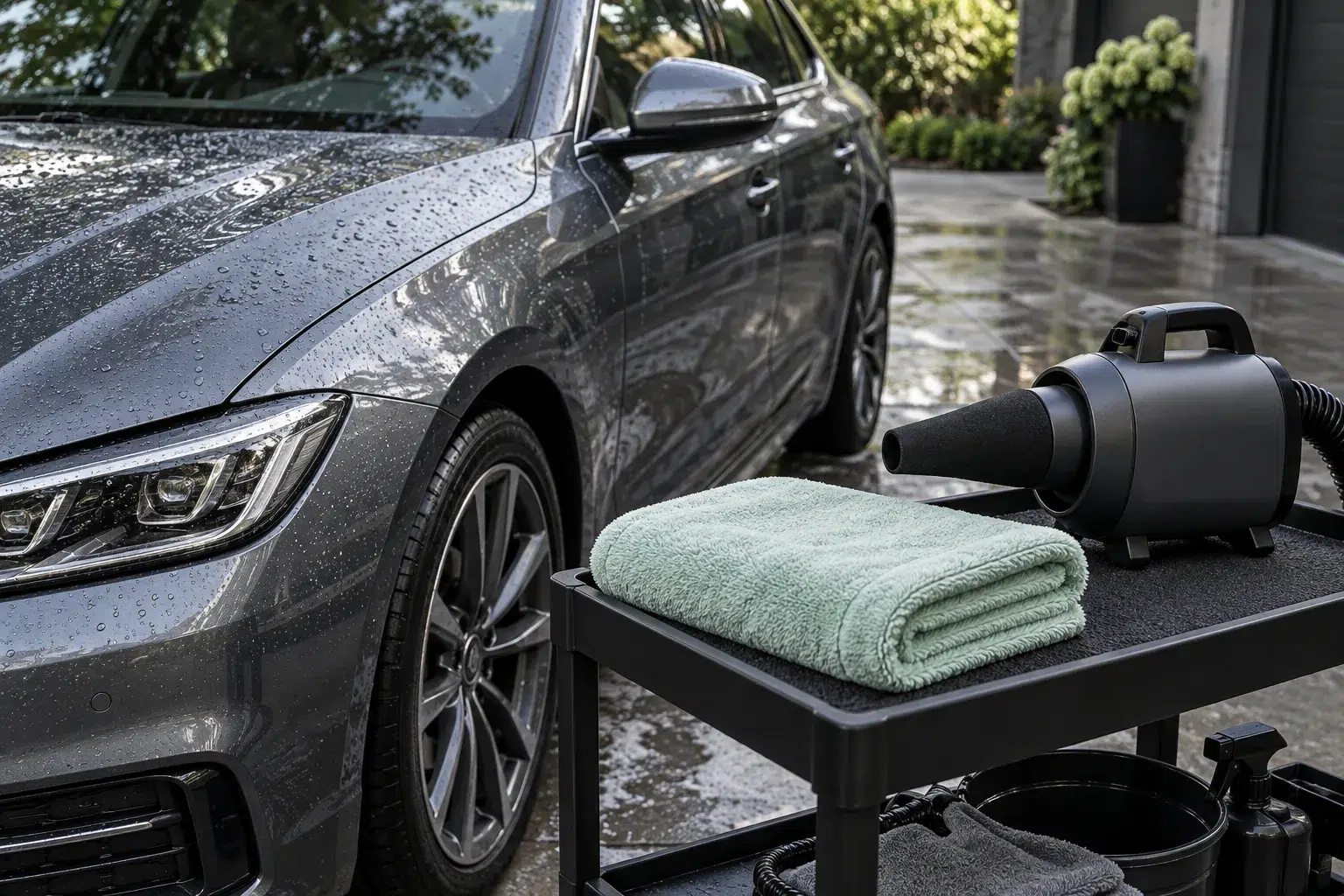
Remove wash residue and dry with clean microfiber or appropriate air equipment. Check water held around trim.
Inspect before adding products
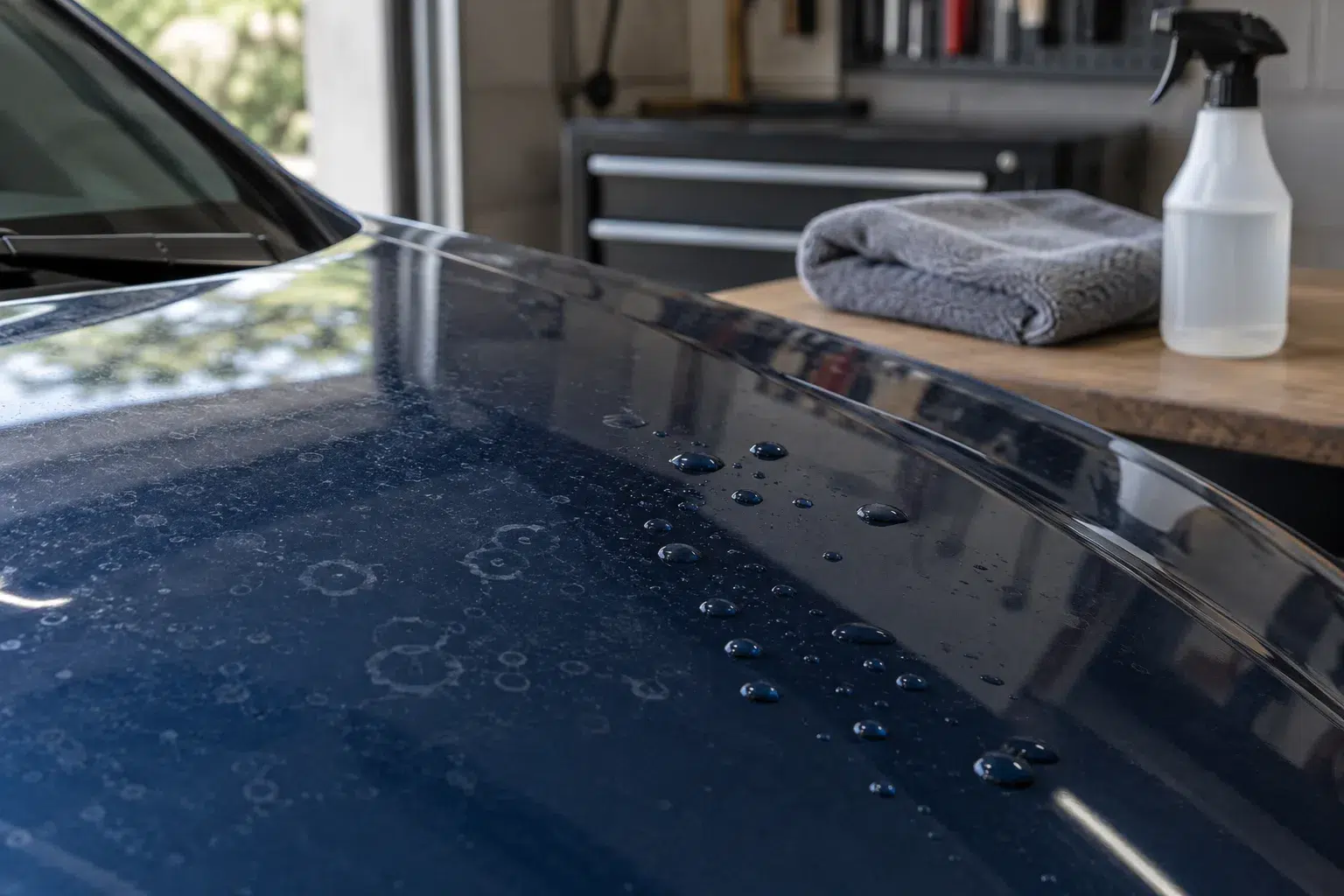
Look for remaining dirt, rings, smears, or changed water behavior. Choose the next action from the cause, not from a fixed habit of adding another layer.
What weak beading does—and does not—tell you
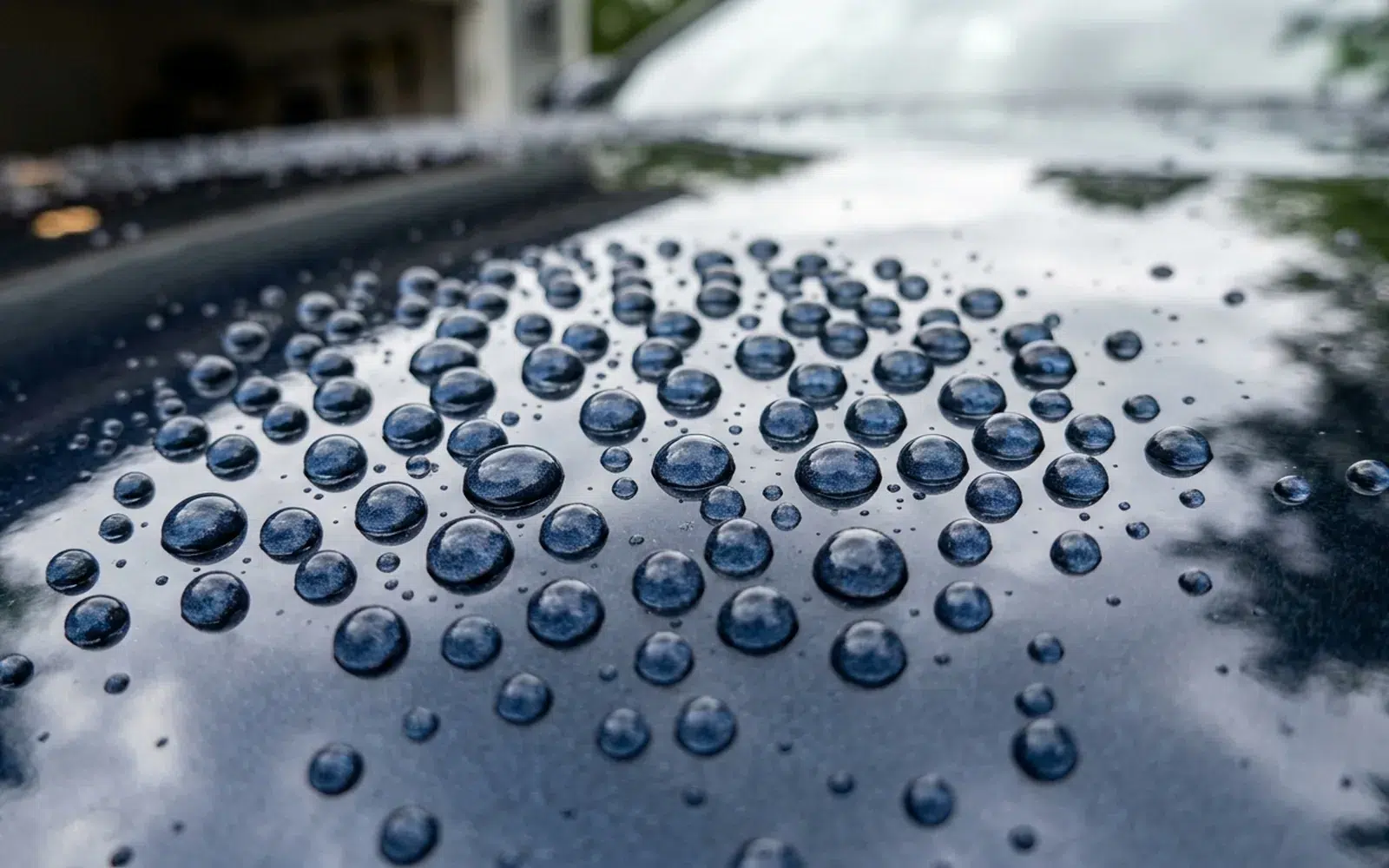
Water behavior is an observation worth recording, but it is not a stand-alone lifespan test. Photograph or note the same area after a proper wash under similar conditions. If one lower panel behaves differently from the roof, investigate local contamination and exposure. Avoid declaring the whole coating failed from a dirty-panel video or a single rinse.
| Observation | Reasonable next step | Avoid |
|---|---|---|
| Clean surface looks normal | Continue the approved routine | Adding products simply because a calendar reminder appears |
| Beading changes with visible dirt or deposits | Ask about a compatible maintenance cleaning process | Jumping straight to abrasive polishing |
| Smears after a booster | Review its application and removal directions | Applying more product over the smear |
| Persistent unexplained change | Contact the installer with the maintenance record | Assigning a remaining lifespan without evidence |
Do you need a booster?
Gtechniq discusses maintenance sprays in its coating-care guidance. Optimum also publishes system-specific maintenance options. Those are manufacturer recommendations for their products, not evidence that every ceramic coating needs the same top-up interval. Check whether a proposed booster is compatible, what it is intended to do, and how to remove excess. A product that changes water behavior can also make it harder to judge the underlying coating on its own.
Buy a booster when it is part of the documented system and solves a defined need. Skip it when the surface is still dirty, when the installer advises against it during curing, or when compatibility is unclear. If water rings are the real issue, follow the water spots on car paint guide before covering them with another treatment.
Know when to stop
Do not use polishing as a routine coating-maintenance step. Abrasion can change or remove protection. New installations, persistent staining, and warranty questions should go back to the installer before aggressive correction.
Make the routine easy to repeat
- Record the wash date, product, dilution, and any unusual contamination.
- Keep wheel cleaning media separate from paint towels.
- Remove bird droppings and sap promptly with approved methods.
- Change the wash frequency to actual exposure and supplier guidance rather than assuming one interval fits every car.
Straight answers
Frequently Asked Questions
Answers based on the evidence and sources identified in this article.
Does ceramic coating make a car maintenance-free?
No. The cited manufacturers still call for washing, contamination removal, and drying. Protection changes maintenance needs; it does not eliminate them.
Should I use wax over every coating?
Only when the coating maker supports it. An extra layer can change the surface behavior and complicate assessment, so choose it for a documented reason.
Where to buy
Recommended Gear in this Guide
Active 2.0 1800 PSI 2.0 GPM Pressure Washer
Our lab-tested standard for safe automotive flow and pressure.
MTM Hydro PF22.2 Foam Cannon
The benchmark standard for uniform foam density and durability.
DetailRig is reader-supported. We test independently and never accept paid placement. When you buy through our links, we may earn an affiliate commission at no extra cost to you.
References & Sources

DetailRig Editorial
ContributorResearch publication
DetailRig Editorial publishes source-linked car-care explainers. These articles synthesize manufacturer instructions and clearly separate research from documented hands-on testing.