Table of Contents(4 sections)
Evidence status: researched
This winter maintenance guide synthesizes research from the American Automobile Association (AAA) on winter rust damage, state Department of Transportation de-icing chemical data, and corrosion engineering studies.
Why is modern liquid road brine more dangerous than rock salt?
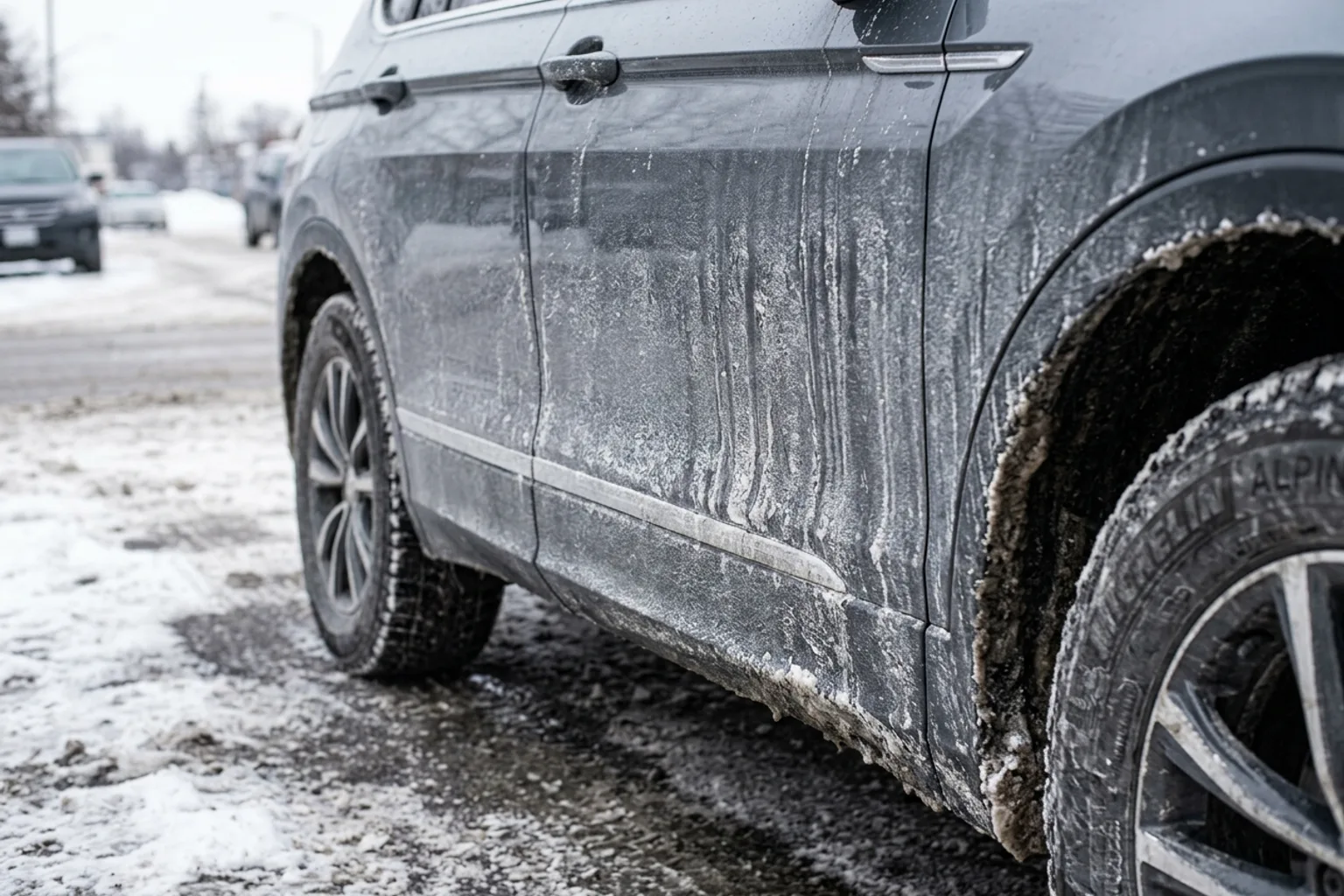
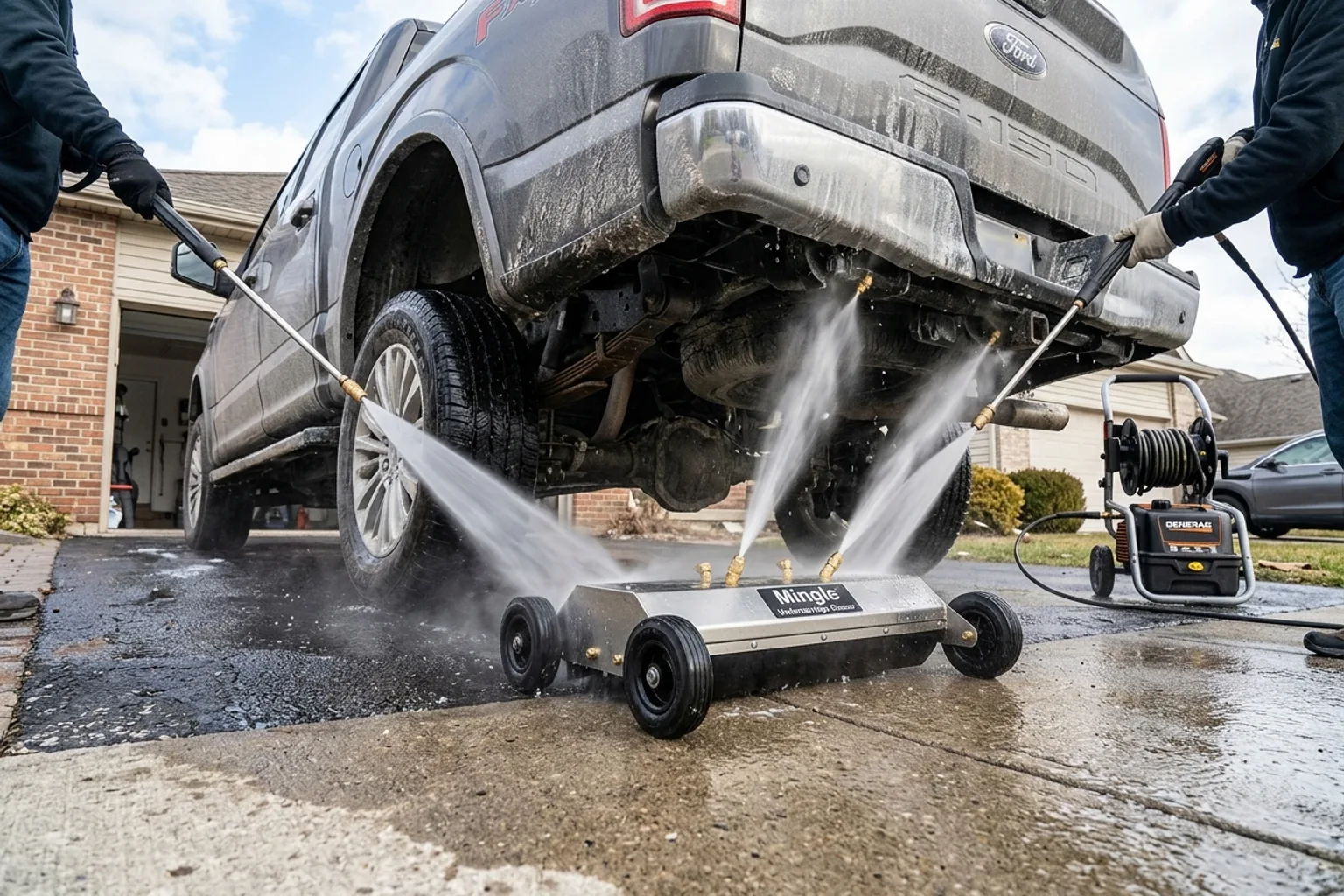
Highway departments increasingly pre-treat roadways with liquid chemical brines (concentrated calcium chloride and magnesium chloride) rather than traditional dry rock salt. Liquid brine atomizes into fine mist that penetrates deep into chassis seams, rocker panel drains, brake caliper slide pins, and subframe cavities where solid salt granules never reached, accelerating hidden electrochemical corrosion.
What is the complete winter road salt defense strategy?
The 4-step winter vehicle rust protection plan
4 stepsPre-winter deep clean and durable sealant application
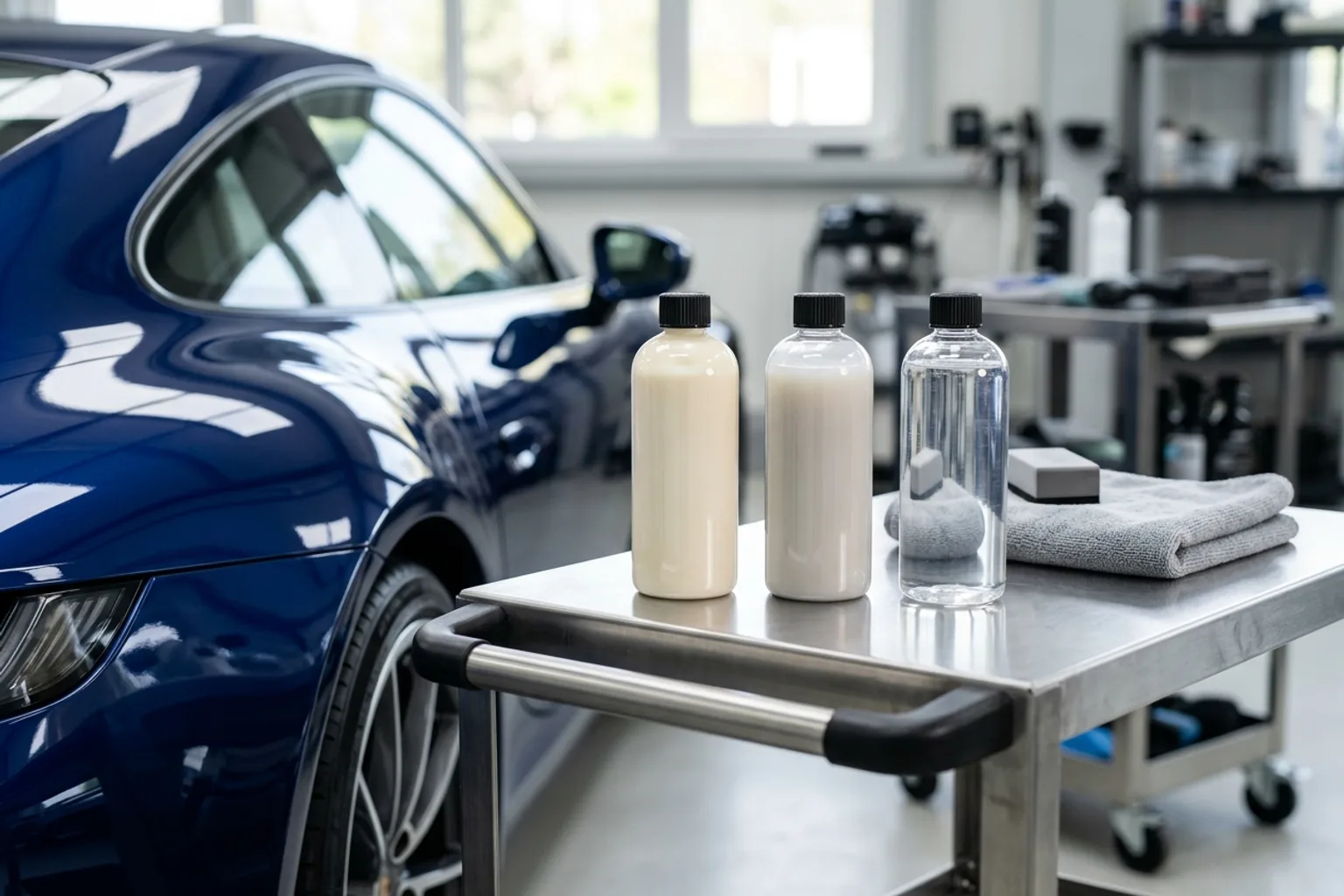
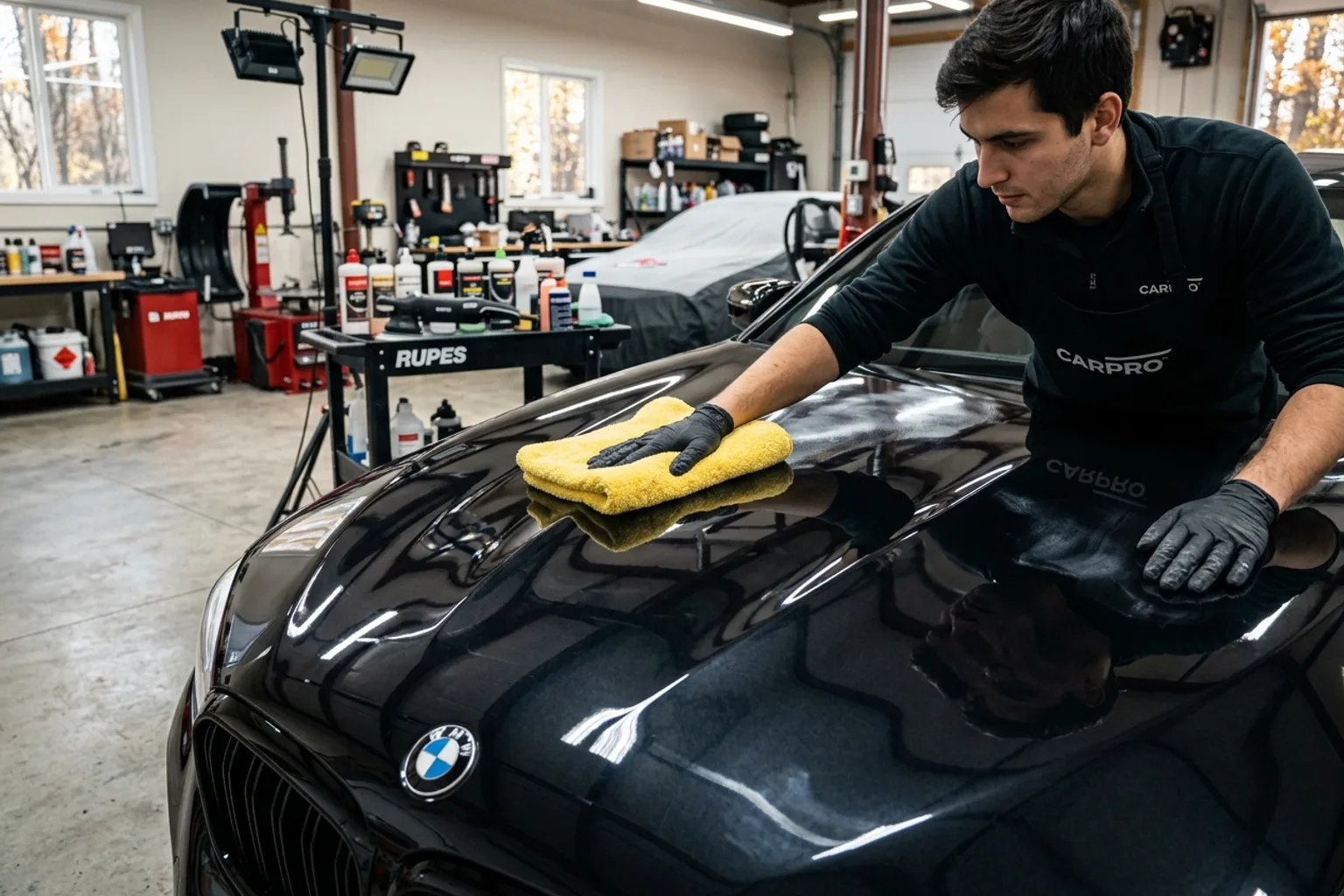
Decontaminate paint in October/November and apply a cross-linking synthetic sealant or ceramic coating to establish a sacrificial chemical barrier.
Underbody rust inhibitor coating
Spray exposed frame rails, control arms, and brake line brackets with a lanolin-based corrosion inhibitor that stays wet and resists wash-off.
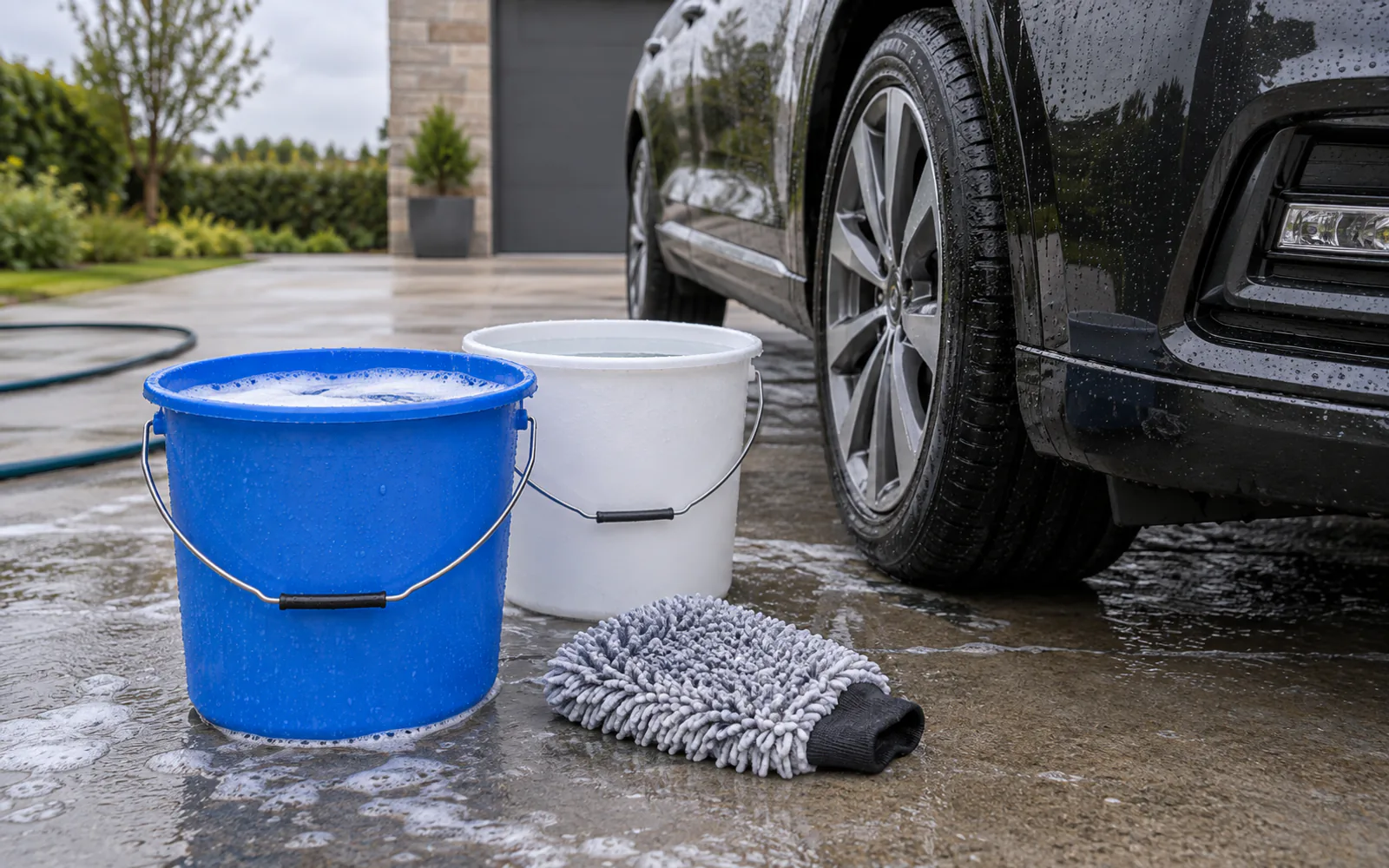
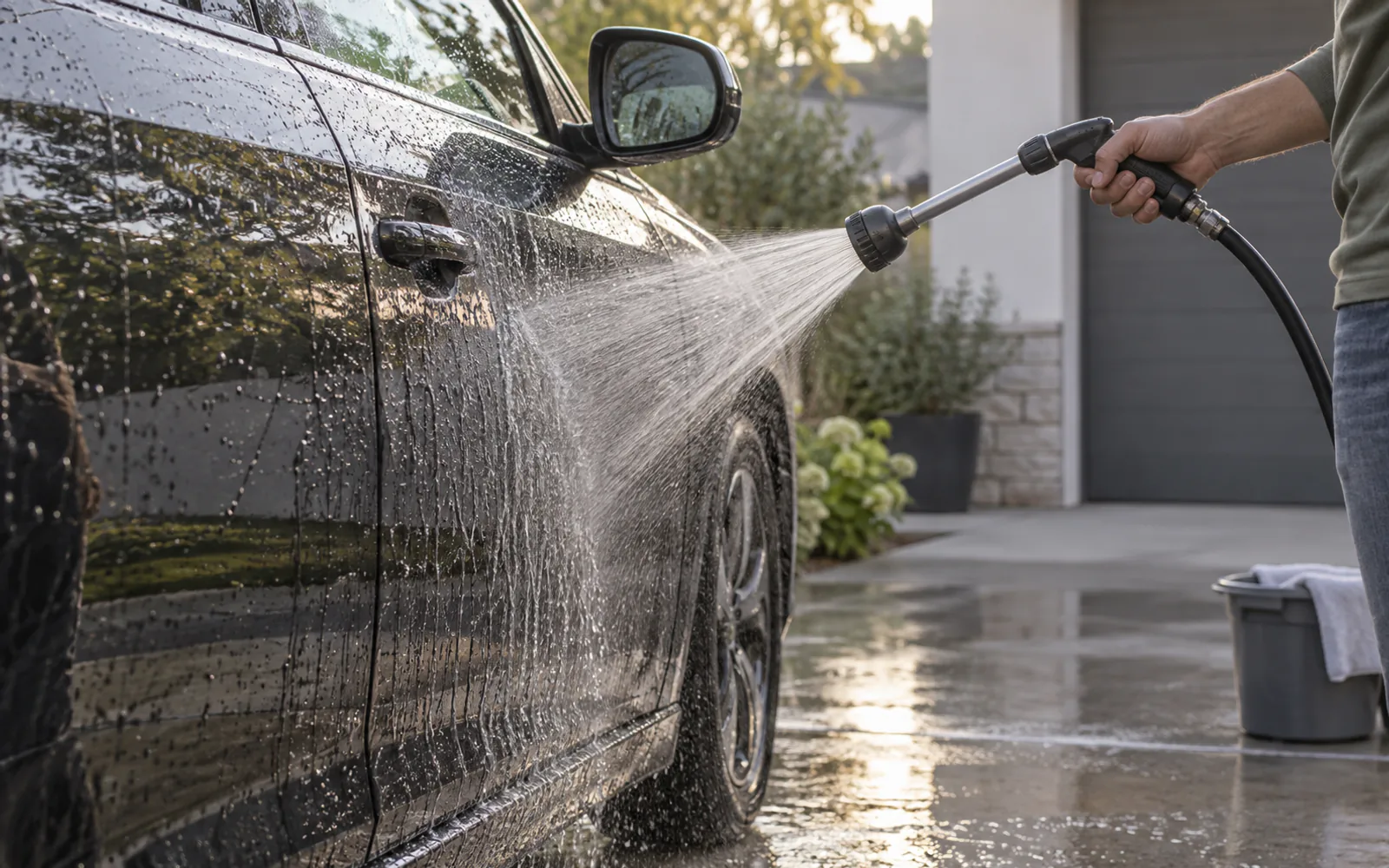
Bi-weekly underbody and exterior wash
Wash every 10 to 14 days when ambient temperature exceeds 35°F (2°C), prioritizing undercarriage spray passes to dissolve salt crusted in corners.
Rubber all-weather floor mat installation
Swap fabric carpet floor mats for deep-dish rubber floor liners to prevent melting salt slush from soaking into floor pan sound deadening.
How often should you wash your car during winter?
| Driving Condition | Recommended Frequency | Primary Focus Area | Temperature Threshold |
|---|---|---|---|
| Heavy snow, active liquid brine on highways | Every 5–7 days | Undercarriage, wheel arches, rocker panels | Above 32°F (0°C) |
| Light winter commuting, dry salted roads | Every 10–14 days | Full contact wash & chassis rinse | Above 35°F (2°C) |
| Sub-zero deep freeze (-10°F to 20°F) | Hold washing until thaw | Avoid freezing door latches & locks | Wait for 32°F+ thaw |
Avoid washing in sub-freezing temperatures
Washing a car below 30°F (-1°C) can freeze water inside door latch mechanisms, power folding mirrors, and emergency brake cables. If washing during cold snaps, use touchless drive-through bays and immediately dry all weatherstrip door jambs.
Straight answers
Frequently Asked Questions
Answers based on the evidence and sources identified in this article.
Does road salt cause rust if temperatures remain below freezing?
Corrosion chemical reactions slow down significantly below freezing. The most severe rust damage occurs when a salt-crusted car enters a warm, heated garage, where warmth and humidity accelerate metal oxidation.
Are automatic car wash underbody sprays effective against road salt?
Yes, but ensure the car wash facility filters and recycles water properly. Some budget commercial washes recycle salt-laden water during winter peak periods, inadvertently spraying brine back onto the undercarriage.
Can you use warm water to wash salt off your car in winter?
Lukewarm water is safe and dissolves salt faster. However, never pour scalding hot water onto windshields or cold body panels, as thermal shock can crack glass instantly.
Where to buy
Recommended Gear in this Guide
Active 2.0 1800 PSI 2.0 GPM Pressure Washer
Our lab-tested standard for safe automotive flow and pressure.
DetailRig is reader-supported. Recommendations follow each page's evidence label (tested, used, or researched), and we never accept paid placement. When you buy through our links, we may earn an affiliate commission at no extra cost to you.
References & Sources
- American Automobile Association (AAA): Winter Road Salt and Vehicle Rust Damage Research Report (aaa.com)
- Federal Highway Administration (FHWA): Road Deicing Chemicals and Bridge/Chassis Corrosion Science
- Society of Automotive Engineers (SAE): Automotive Corrosion Prevention and Environmental Test Standards

DetailRig Editorial
ContributorResearch publication
DetailRig Editorial publishes source-linked car-care explainers. These articles synthesize manufacturer instructions and clearly separate research from documented hands-on testing.