Table of Contents(4 sections)
Evidence status: researched
Durability figures cited below represent manufacturer claims, technical product data sheets, and verified IDA educational benchmarks. Real-world longevity varies according to local weather, road salt exposure, and wash frequency.
How do the three paint protection types differ chemically?
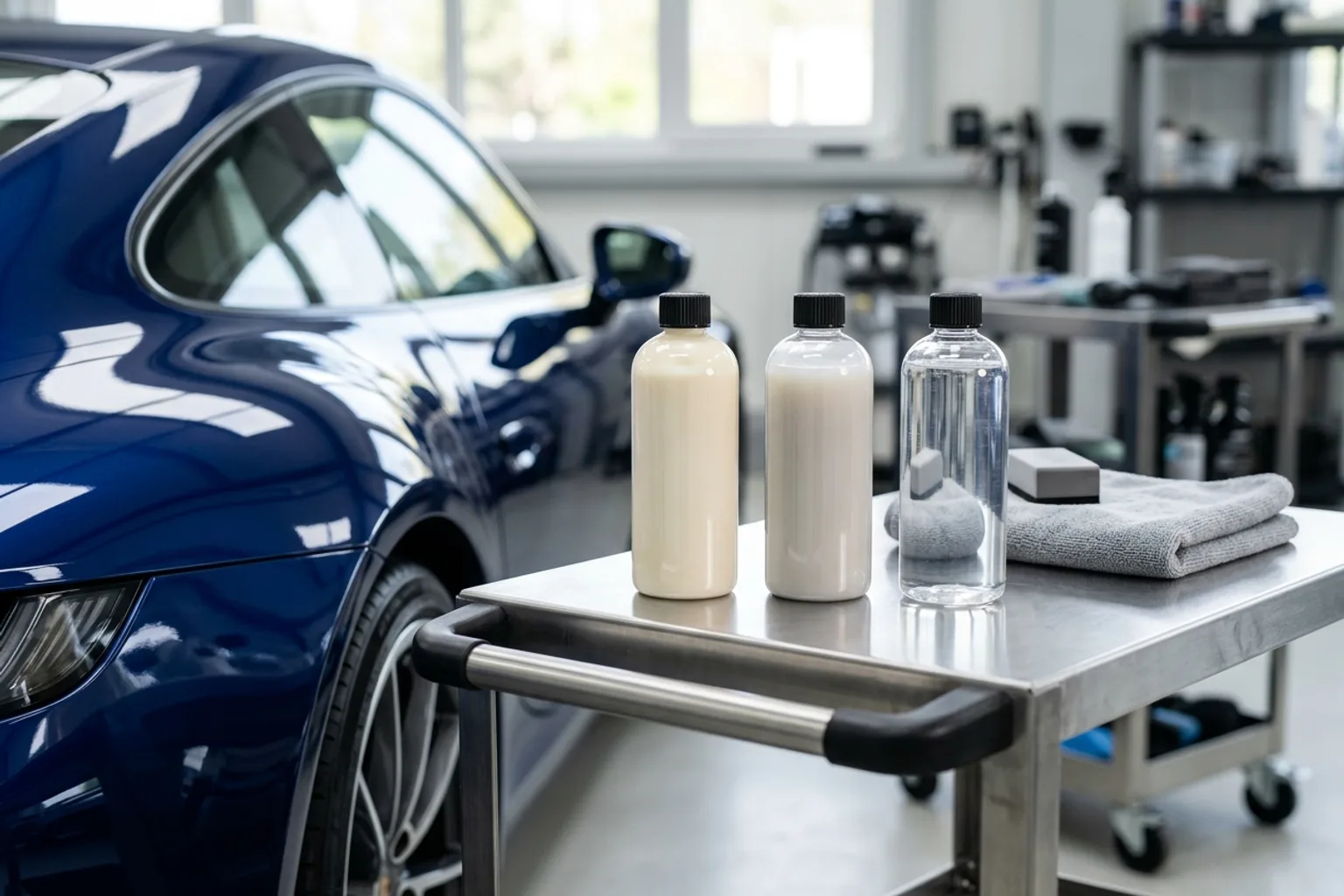
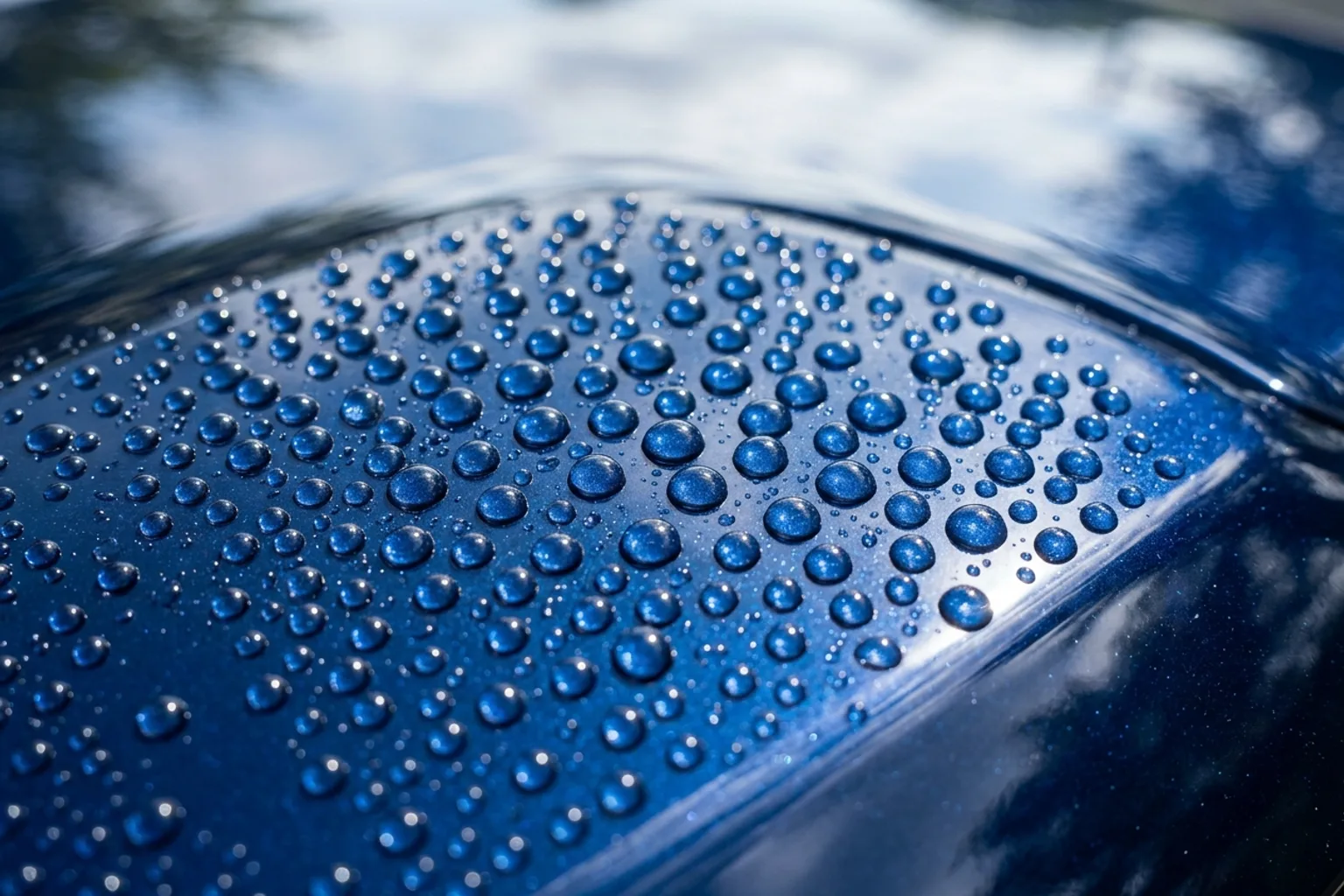
Carnauba wax is derived from Brazilian palm fronds and forms a temporary physical barrier that melts under high summer heat (around 180°F). Synthetic paint sealants use engineered polymers that cross-link across paint pores to withstand detergents and road grime. Ceramic coatings contain silicon dioxide (SiO2) or silicon carbide (SiC) nanoparticles that form semi-permanent covalent bonds with clear coat.
How do wax, sealant, and ceramic coating compare across key metrics?
| Metric | Carnauba Car Wax | Synthetic Paint Sealant | Nano-Ceramic Coating |
|---|---|---|---|
| Chemical Base | Natural palm wax & oils | Synthetic polymers / acrylics | Silicon dioxide (SiO2) / SiC |
| Bonding Type | Physical layer (sits on top) | Cross-linked mechanical bond | Covalent semi-permanent chemical bond |
| Claimed Durability | 1 to 3 months | 4 to 9 months | 2 to 5+ years (requires maintenance) |
| Heat Resistance | Low (melts at ~180°F) | Moderate (~250°F) | Extreme (up to 1,000°F+) |
| Chemical Resistance | Weak against alkaline soaps | Moderate against road salts | High against acid rain & bird droppings |
| Aesthetic Finish | Warm, deep, natural glow | Glassy, reflective shine | Hard, optical, high-gloss candy shell |
| Preparation Required | Clean wash and light dry | Clean wash, clay bar | Full wash, iron decon, clay, machine polish, IPA prep |
Which protection should you choose for your vehicle?
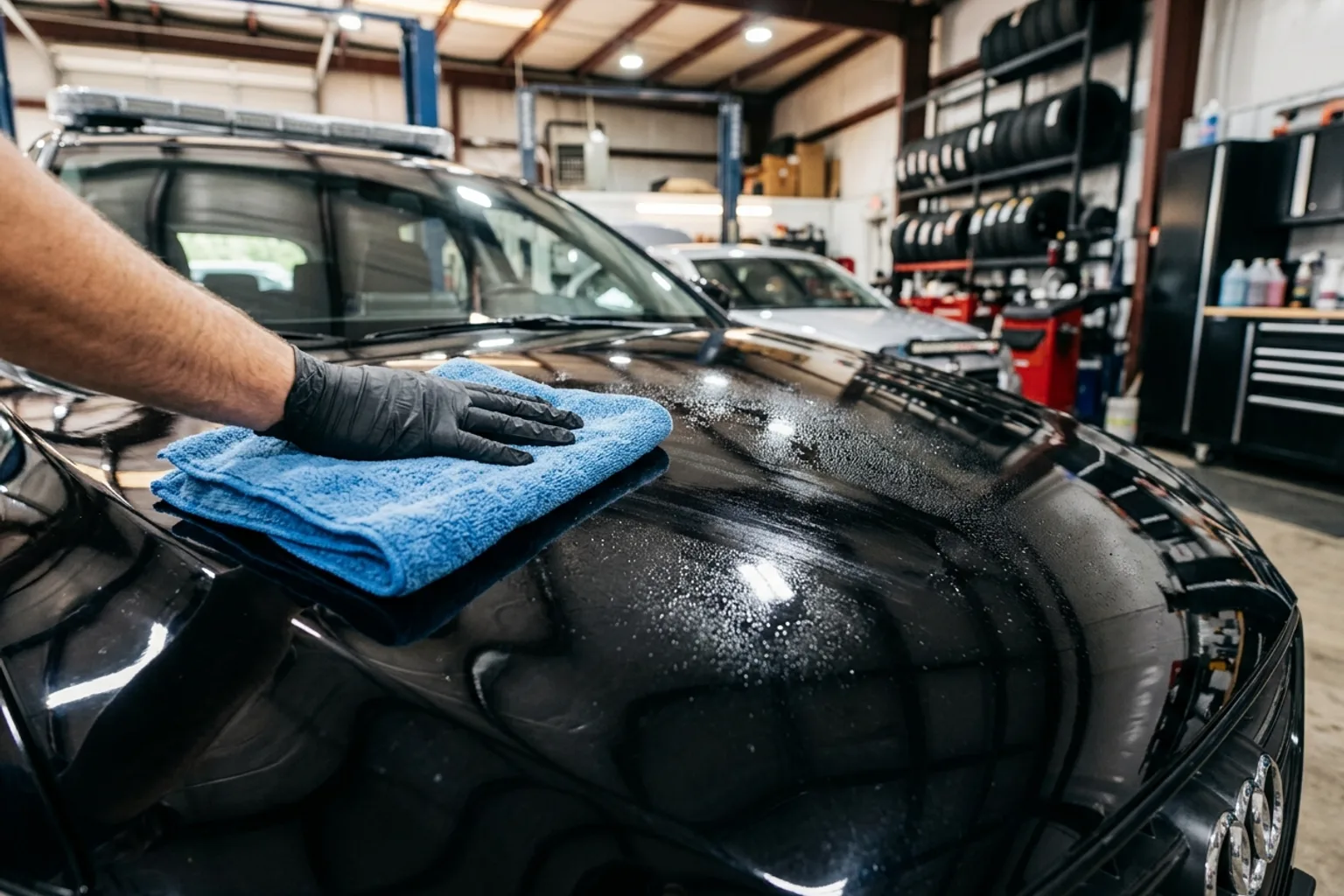
Choose carnauba wax if you own a weekend garage queen, enjoy hand-applying paste wax, and value warm, natural depth above all else. Choose a synthetic paint sealant if you want an affordable, durable 6-month barrier for a daily commuter with minimal maintenance fuss. Invest in a professional ceramic coating if you want maximum ease of maintenance washing, multi-year UV protection, and are willing to invest in full paint decontamination and polishing preparation.
Do not layer wax over ceramic coatings
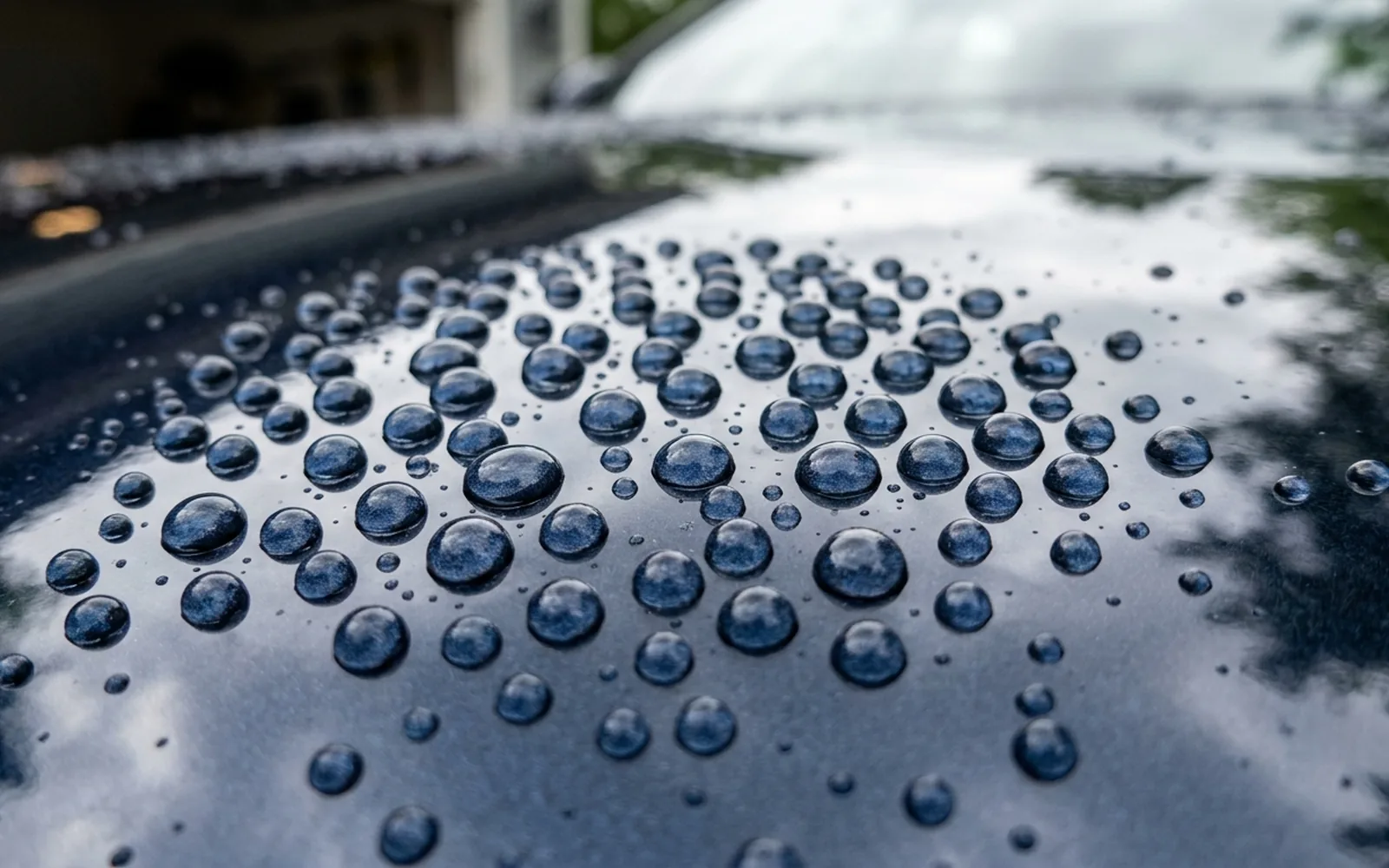
Applying traditional car wax over a true ceramic coating masks the coating’s engineered hydrophobic properties and low surface tension, causing road dirt to adhere more readily. Maintain ceramic coatings exclusively with dedicated pH-neutral soaps and silica maintenance sprays.
Straight answers
Frequently Asked Questions
Answers based on the evidence and sources identified in this article.
Does ceramic coating prevent rock chips and scratches?
No. Ceramic coatings are microscopically thin (typically 1 to 3 microns) and do not protect against physical kinetic impacts like stone chips. Only thick Paint Protection Film (PPF) protects against gravel strikes.
Can you apply ceramic coating without polishing?
While physically possible, it is strongly discouraged. Ceramic coatings lock in whatever surface defects exist beneath them. Any swirl marks, oxidation, or water spots present during application will remain trapped for years.
How long does a synthetic spray sealant take to cure?
Most modern spray sealants cure in 1 to 4 hours, whereas professional ceramic coatings typically require 24 hours of dry garage curing before exposure to rain or moisture.
Where to buy
Recommended Gear in this Guide
Turtle Wax Hybrid Solutions Ceramic Spray Coating (16 oz)
Delivers up to 12 months of extreme water beading, chemical resistance, and UV protection in an easy spray.
DetailRig is reader-supported. Recommendations follow each page's evidence label (tested, used, or researched), and we never accept paid placement. When you buy through our links, we may earn an affiliate commission at no extra cost to you.
References & Sources
- Gtechniq: Technical Guide to Covalent Bonding and Nanotechnology Coatings (gtechniq.com)
- CARPRO: Ceramic Maintenance Chemistry and Wash Protocol Standards (carpro.global)
- International Detailing Association (IDA): Automotive Protection Types & Longevity Science (the-ida.com)

DetailRig Editorial
ContributorResearch publication
DetailRig Editorial publishes source-linked car-care explainers. These articles synthesize manufacturer instructions and clearly separate research from documented hands-on testing.