Table of Contents(5 sections)
Evidence status: researched
This guide synthesizes verified manufacturer specifications, technical data sheets, and professional detailing workflows. DetailRig has not performed a single controlled laboratory test across all products discussed here; specific performance claims are attributed to their respective manufacturers.
The Chemical Reduction Mechanism: Why It Turns Purple
Embedded iron fallout consists of microscopic, jagged shards of sintered iron sheared from vehicle brake rotors and train rail tracks. These sharp particles penetrate clear coat and oxidize into rust specks. If pulled mechanically with a clay bar without prior chemical dissolution, these metal shards drag across paint, causing extensive scratch marring.
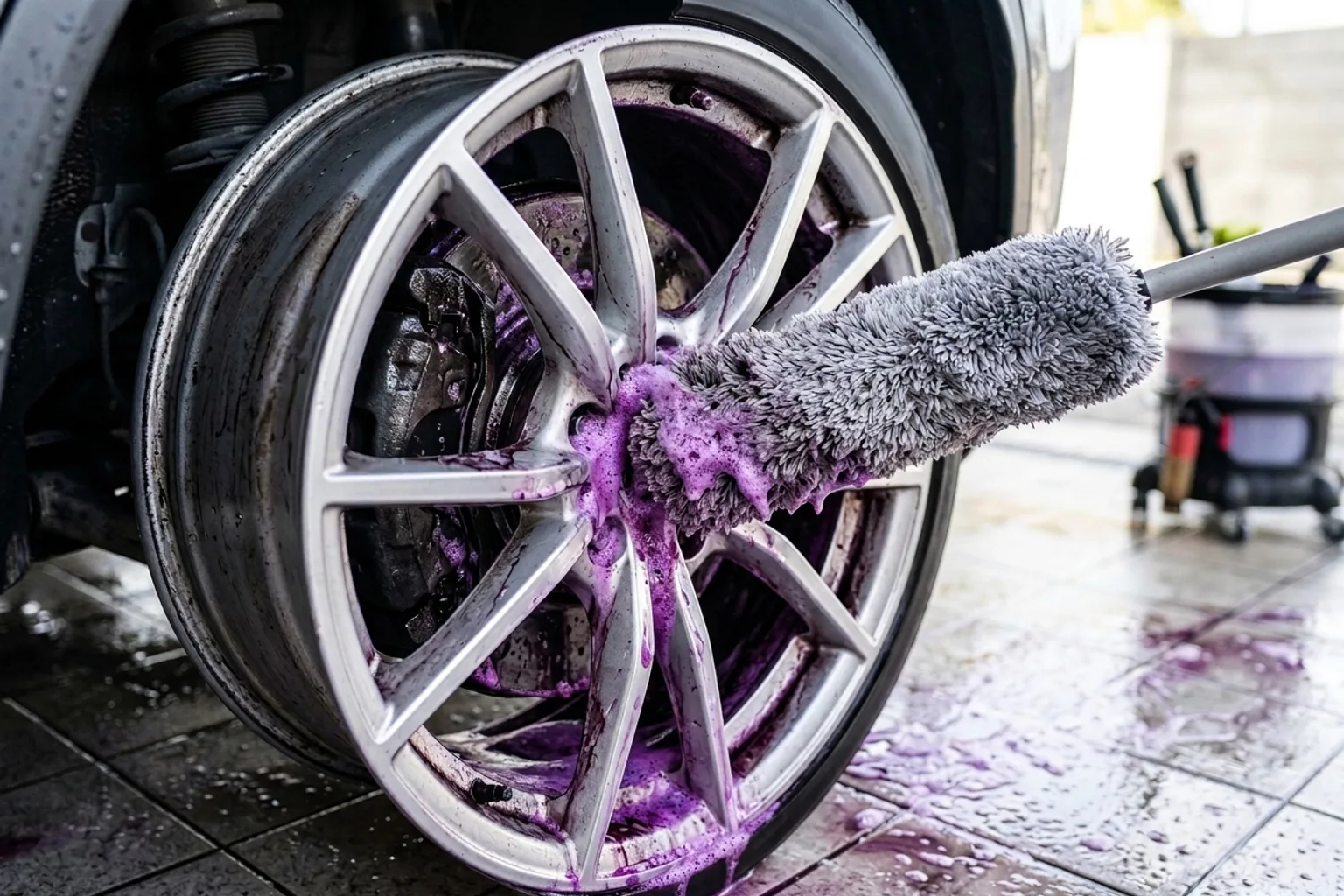
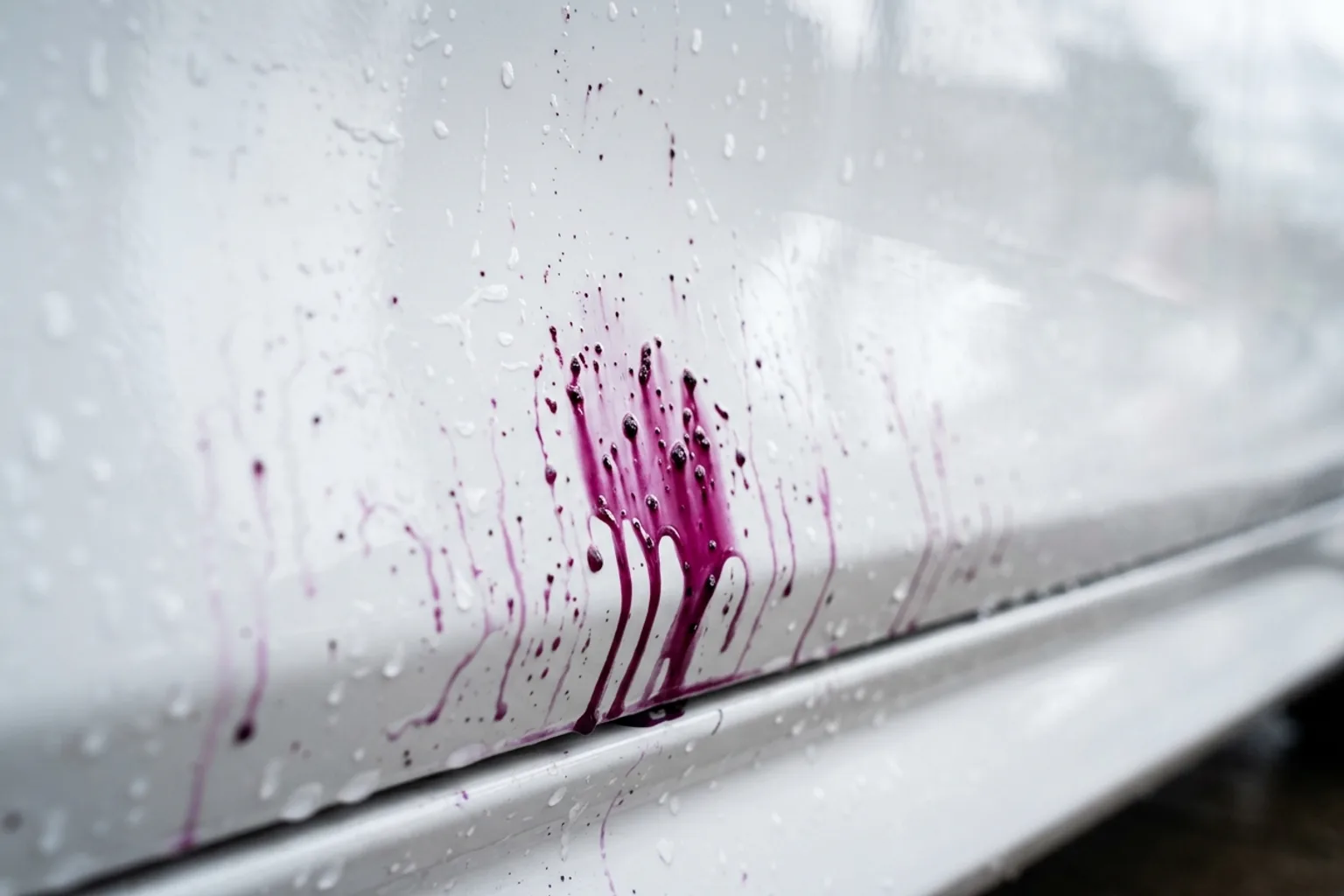
Chemical iron removers employ ammonium mercaptoacetate or sodium thioglycolate. When sprayed onto paint or wheels, the chemical initiates a chelation reaction with ferric (Fe3+) and ferrous (Fe2+) iron ions. This reaction converts insoluble iron metal into a water-soluble iron thioglycolate complex, producing the characteristic deep purple "bleeding" indicator as particles liquefy.
| Formulation Type | Active Viscosity | Panel Dwell Time | Scent Masking Level | Primary Detailing Role |
|---|---|---|---|---|
| High-Gel Paint Decontamination Spray | Thick clinging gel | 4 – 6 minutes without drying | High (Cherry or citrus scent) | Vertical door panels, fenders, rear hatches |
| Liquid High-Flow Wheel Cleaner | Thin watery spray | 2 – 3 minutes | Moderate (Noticeable sulfur odor) | Intricate wheel spokes and brake caliper soak |
| Concentrated 2-in-1 Shampoo & Fallout | Foaming high-suds liquid | 3 – 5 minutes (Hand wash) | Mild sulfur hint | Rapid quarterly maintenance wash |
| Aggressive Acidic Fallout Remover | Hydrochloric / Oxalic blend | 1 – 2 minutes (Strict monitor) | Pungent chemical acid | Commercial railhead yards (Not consumer safe!) |
What Differentiates Top Iron Removers from Budget Sprays
- Surface Clinging Viscosity: Low-viscosity watery sprays run down vertical door panels into rocker sills within 30 seconds, wasting active chemical before chelation finishes. Gel-thickened formulas cling for 5 minutes of continuous dissolution.
- pH Neutrality and Finish Safety: Top formulas operate at pH 6.5 to 7.5, ensuring complete safety on delicate anodized aluminum trim, gloss black wraps, and ceramic coatings.
- Advanced Odor Neutralization: Mercaptoacetate inherently smells like pungent rotten eggs or sulfur. Quality brands incorporate molecular odor-capturing compounds and pleasant fragrance oils to make indoor garage use tolerable.
- Dwell Time and Re-Wetting Ability: The best formulas remain wet on clear coat longer, allowing easy re-misting with water to extend chemical dwell time without drying out.
Step-by-Step Chemical Decontamination Walkthrough
How to safely decontaminate car paint using iron remover
5 stepsStep 1: Wash away loose dirt and road film
Perform a contact wash with car shampoo to remove surface grime so the chemical can directly reach embedded clear coat particles.
Step 2: Park in shade and verify cool panels
Never spray iron remover on hot panels or in direct sun. Rapid drying can cause white chemical haze stains.
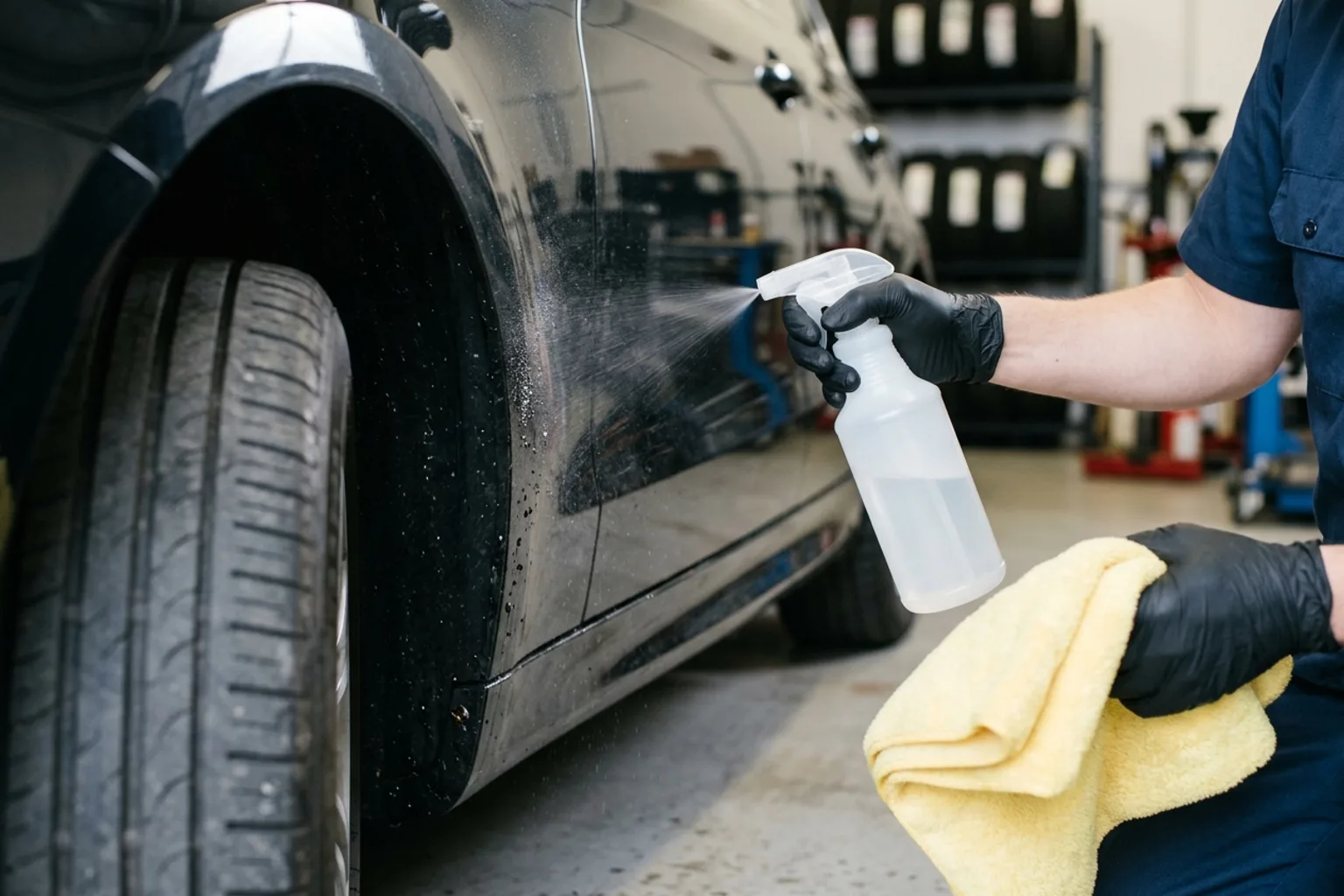
Step 3: Spray generously across lower panels and wheels
Focus spray on high-fallout zones: wheels, front doors behind tires, rocker panels, and the rear bumper/trunk lid.
Step 4: Allow 3 to 5 minutes of dwell time
Watch panels turn purple as chemical dissolution occurs. If panels begin to dry, lightly mist with water to keep the chemical active.
Step 5: High-pressure rinse thoroughly
Blast panels and wheel crevices with high-pressure water until all purple chemical runoff runs completely clear.
Why Iron Removers Are Essential Before Claying and Polishing
Chemical decontamination must precede mechanical clay bars
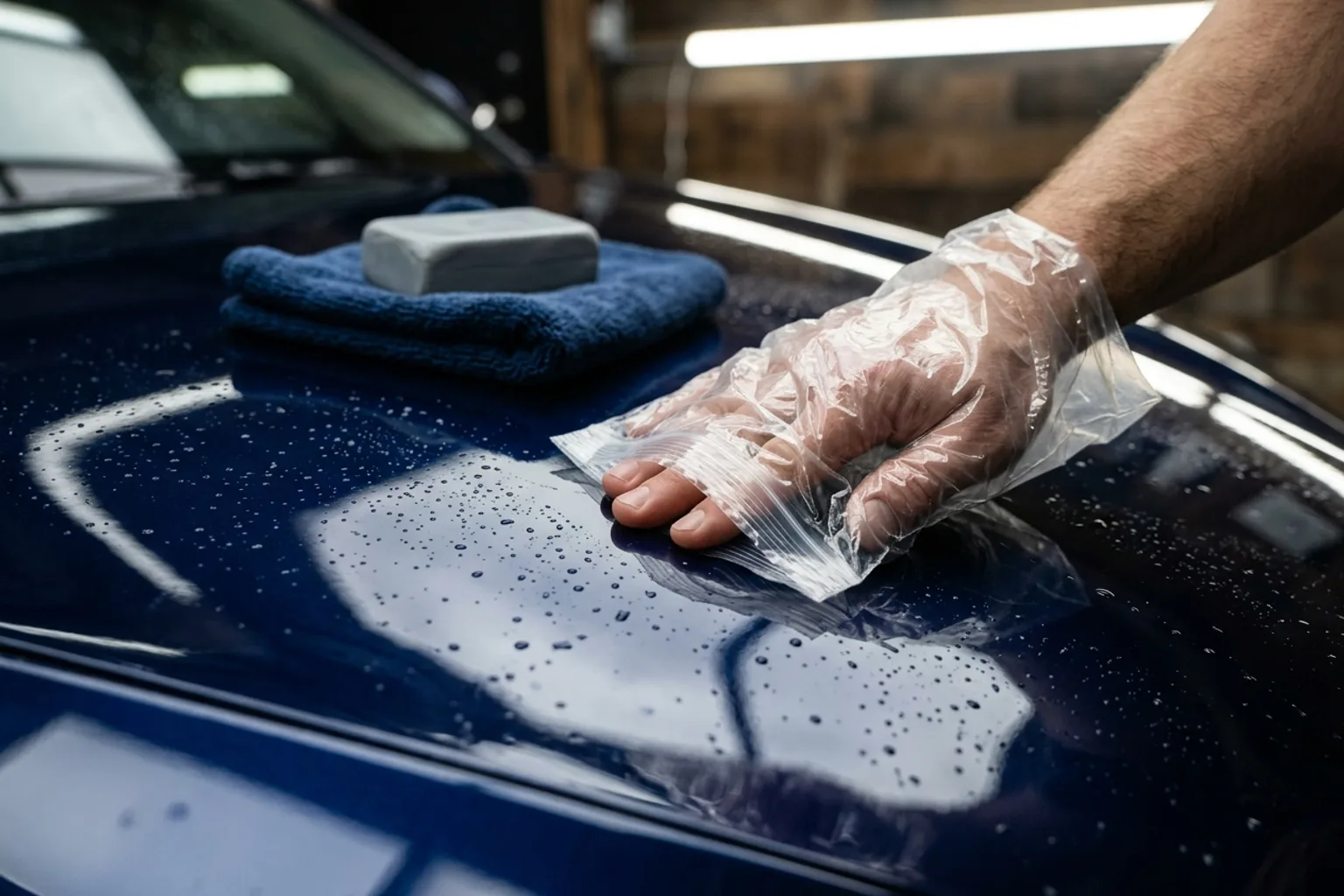
Clay bars physically shear contaminants. If you clay a vehicle without using iron remover first, hundreds of razor-sharp metal shards will embed into your clay bar, turning the clay into abrasive sandpaper that scours clear coat with heavy micro-marring.
Straight answers
Frequently Asked Questions
Answers based on the evidence and sources identified in this article.
Can iron remover damage plastic trim or headlights?
High-quality pH-neutral iron removers are safe on automotive polycarbonate lenses, clear coats, and vinyl wraps. However, avoid letting the product dry completely on trim, and always rinse thoroughly.
How often should I use iron remover on my car?
For daily drivers, applying iron remover 2 to 3 times per year (typically during spring and autumn deep cleans, or before applying a fresh ceramic sealant) is ideal. Wheels can be cleaned monthly.
Does iron remover strip car wax or ceramic coatings?
Yes, strong iron removers will degrade or strip traditional carnauba waxes and light synthetic sealants. However, true professional ceramic quartz coatings resist iron removers and benefit from having embedded fallout purged.
Where to buy
Recommended Gear in this Guide
3D BDX Color-Changing Iron & Fallout Remover (16 oz)
pH-balanced, acid-free formula turns purple as it dissolves embedded brake dust and rail dust from paint and wheels.
DetailRig is reader-supported. Recommendations follow each page's evidence label (tested, used, or researched), and we never accept paid placement. When you buy through our links, we may earn an affiliate commission at no extra cost to you.
References & Sources
- DetailRig Chemical Analysis: Iron chelation kinetics and mercaptoacetate reactivity
- National Association of Corrosion Engineers (NACE): Ferrous particulate galvanic corrosion on automotive substrates

DetailRig Editorial
ContributorResearch publication
DetailRig Editorial publishes source-linked car-care explainers. These articles synthesize manufacturer instructions and clearly separate research from documented hands-on testing.