Table of Contents(5 sections)
Evidence status: researched
This guide combines published vehicle-care recommendations with a condition-based decision framework. It does not claim an experimentally determined optimum interval for every climate.
A Calendar Reminder Is Only a Prompt
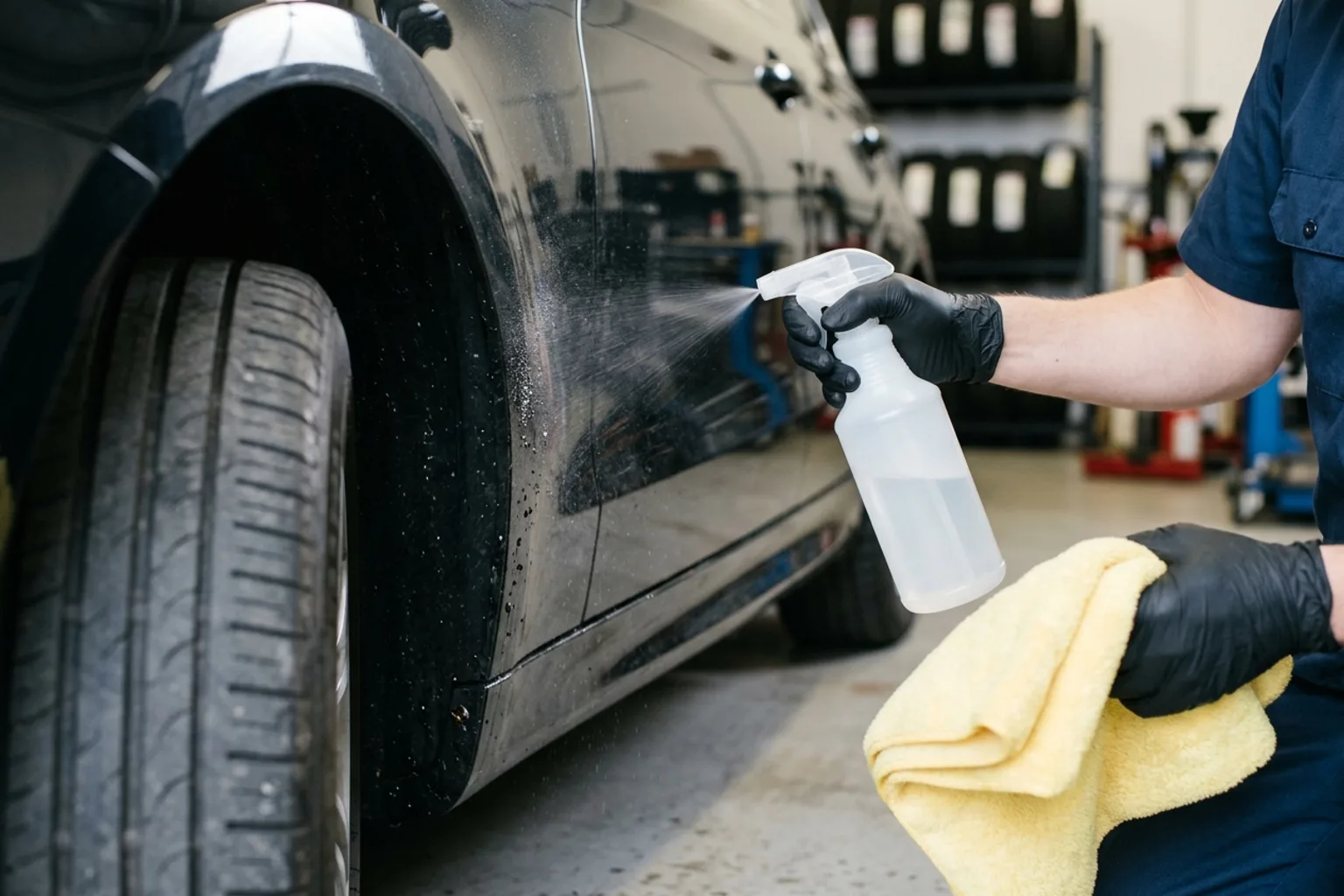
A garage-kept car used occasionally and a daily driver exposed to winter roads do not accumulate the same contamination. A fixed interval can remind you to inspect the vehicle, but it should not override visible bird droppings, bug residue, tar, salt, or heavy road grime. Tesla's cleaning instructions call for prompt removal of these types of contamination, and Ford gives similar insect, dropping, and tar guidance.
| Condition | What to check | Action principle |
|---|---|---|
| Bird droppings or fresh bug residue | Affected panel and product suitability | Address promptly with a compatible method |
| Road salt exposure | Body, wheel, and underbody guidance for the vehicle | Do not wait for an arbitrary monthly date |
| Dust but no bonded contamination | Whether dry dirt will be rubbed into paint | Pre-rinse and wash gently when needed |
| Tree sap or tar | Exact substance and remover directions | Use targeted removal rather than aggressive whole-car scrubbing |
| Mostly clean, lightly used vehicle | Actual surface condition | Avoid washing solely because a rigid schedule says so |
Build Your Own Inspection Rhythm
Decide when a car needs washing
5 stepsWalk around after exposure
Look for fresh droppings, insects, tar, salt, mud, and other localized contamination after relevant trips or parking conditions.
Separate urgent spots from whole-car soil
A single dropping may need targeted attention while the rest of the vehicle remains otherwise clean.
Check the manual and conditions
Use vehicle-specific care instructions and choose a cool surface with suitable products and equipment.
Wash without escalating
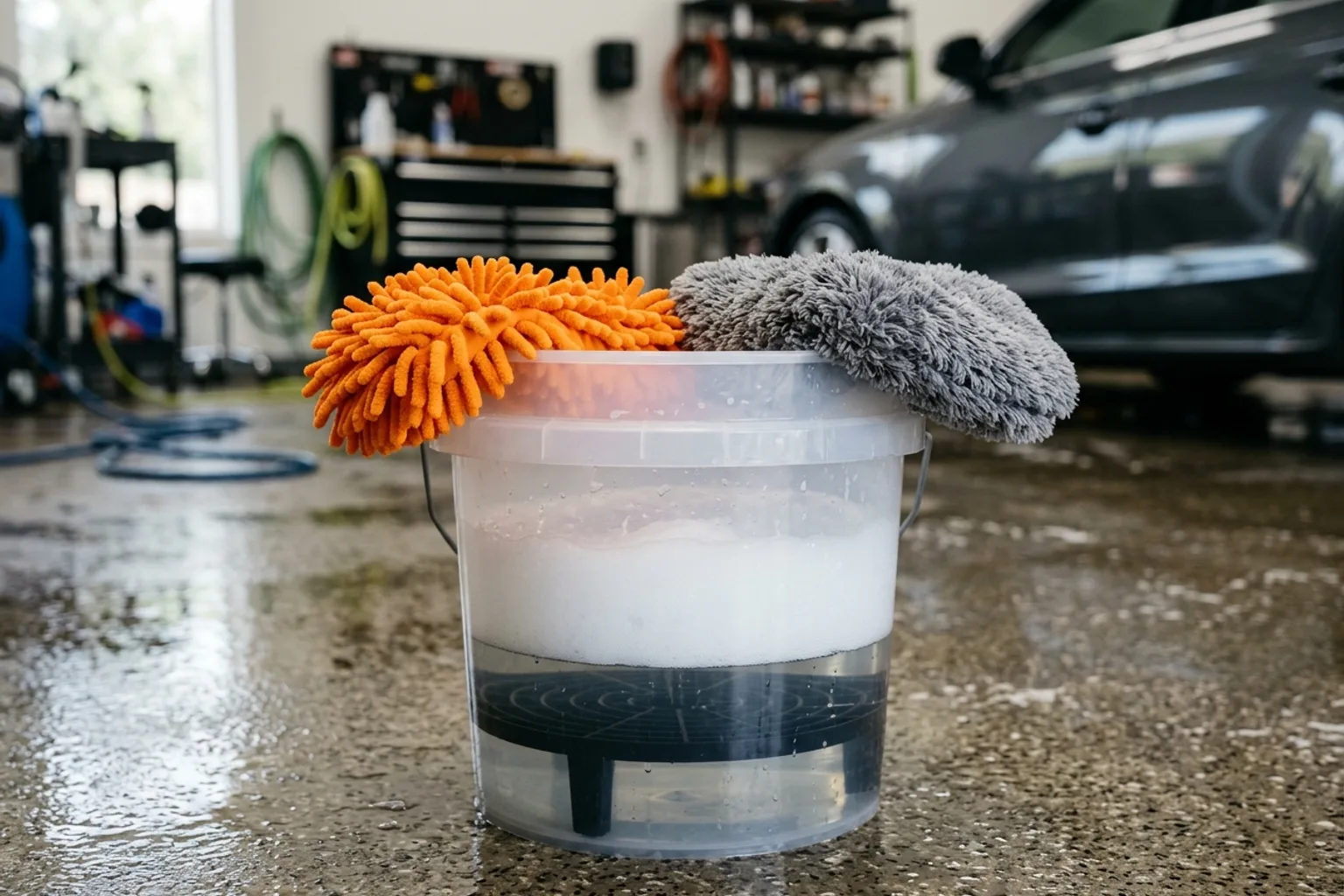
Pre-rinse loose grit, use mild appropriate shampoo, and avoid abrasive shortcuts simply because contamination is heavy.
Reset after the wash
Inspect again after future exposure instead of assuming the previous wash bought a guaranteed number of clean days.
Does Protection Change Wash Frequency?
A wax, sealant, coating, or film may change maintenance behavior, but it does not create a universal contamination deadline. Follow the protection maker's aftercare instructions and still respond to visible contamination. More frequent aggressive scrubbing is not automatically better maintenance.
- Climate and road treatment change exposure.
- Outdoor parking can add bird, insect, and tree-related contamination.
- Vehicle materials and manufacturer care instructions differ.
- The mildest effective process is preferable to turning every cleanup into an intensive decontamination.
A Useful Answer Instead of a Universal Number
Inspect regularly, wash when conditions justify it, and treat listed contaminants promptly. If you want a personal reminder, choose one suited to your driving and climate, but let the actual surface and OEM guidance determine the work. That answer is less marketable than “every seven days,” yet more useful for different vehicles.
Straight answers
Frequently Asked Questions
Answers based on the evidence and sources identified in this article.
Is washing a car every week too much?
Frequency alone does not establish harm or benefit. Exposure and method matter. Use a gentle compatible process when washing is needed, and avoid unnecessary aggressive contact on a lightly soiled vehicle.
Should I wait for a full wash to remove bird droppings?
Tesla and Ford advise prompt removal of droppings and similar contamination. Use a vehicle-compatible targeted method rather than waiting for a calendar appointment or scrubbing the spot dry.
How often should I wash salt off in winter?
Base the decision on actual salt exposure and the vehicle's winter-care instructions, not a universal number of days. Do not postpone attention because a routine wash is not yet due.
Where to buy
Recommended Gear in this Guide
Active 2.0 1800 PSI 2.0 GPM Pressure Washer
Our lab-tested standard for safe automotive flow and pressure.
DetailRig is reader-supported. Recommendations follow each page's evidence label (tested, used, or researched), and we never accept paid placement. When you buy through our links, we may earn an affiliate commission at no extra cost to you.
References & Sources

DetailRig Editorial
ContributorResearch publication
DetailRig Editorial publishes source-linked car-care explainers. These articles synthesize manufacturer instructions and clearly separate research from documented hands-on testing.