Table of Contents(5 sections)
A test spot is not blanket permission to continue
Paint condition can vary by panel and repair history. Stop when the surface, defect, or remaining material is uncertain, and seek professional assessment rather than treating one successful area as proof for the whole vehicle.
What a Test Spot Actually Answers
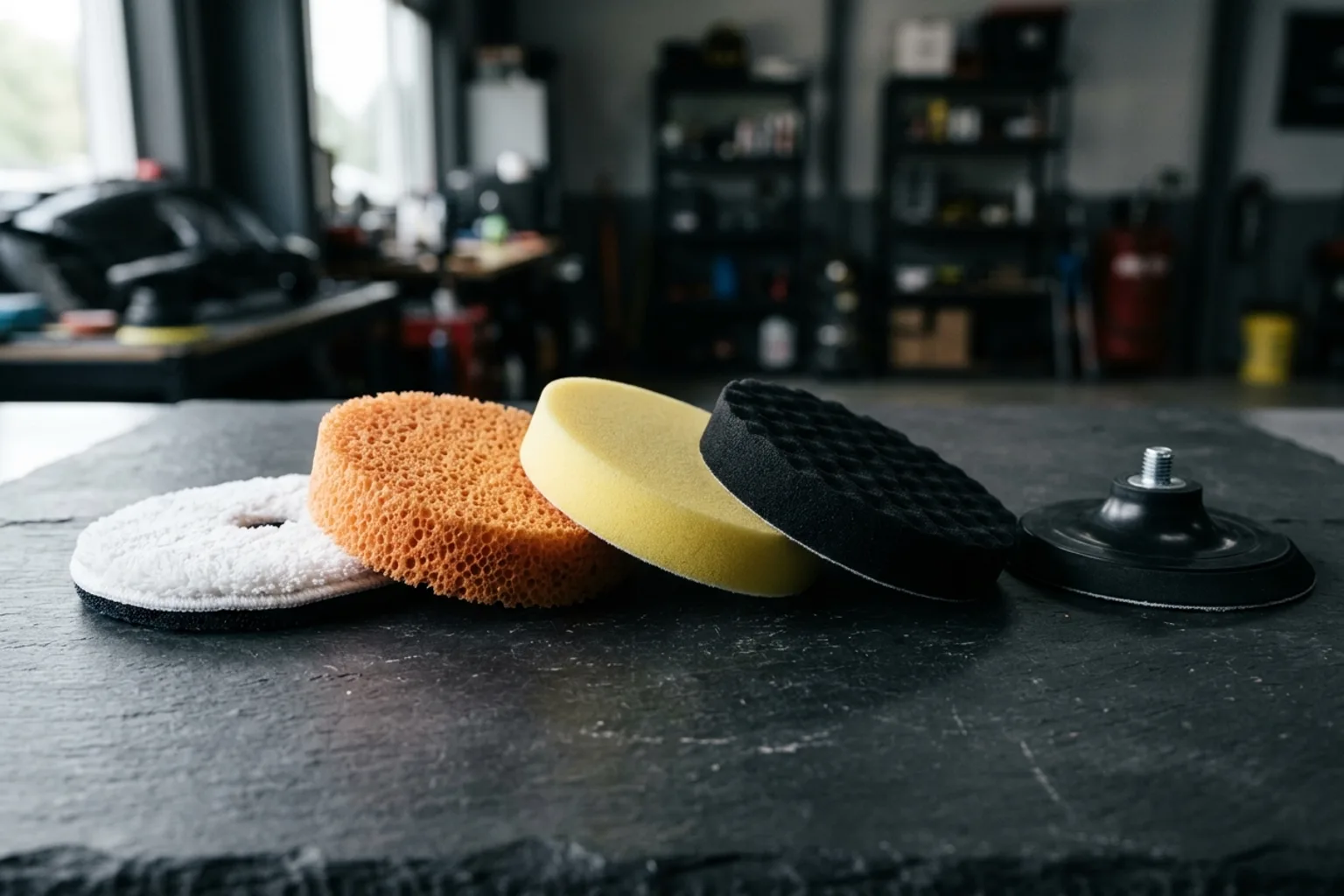
The test area answers a bounded question: does this specific combination produce the intended correction and finish here, under these conditions? RUPES describes compounds and pads as different cutting and finishing roles within a system, so testing the combination is more meaningful than guessing from a liquid name alone.
| Observation | Decision it informs | What it does not prove |
|---|---|---|
| Defect improvement | Is the chosen level of correction useful? | That all scratches can or should be removed |
| Final finish | Is another refinement stage needed? | That a second stage is always required |
| Product and pad behavior | Can the user manage this system as directed? | Identical behavior with another machine or surface |
| Panel response | Is it reasonable to reassess or proceed cautiously in similar areas? | Uniform factory paint or repair history elsewhere |
A Conservative Test-Area Workflow
Evaluate a small paint-correction area
5 stepsIdentify the surface and goal
Clean and inspect the area, consider special finishes or repairs, and define the improvement you want without promising complete defect removal.
Choose a compatible system
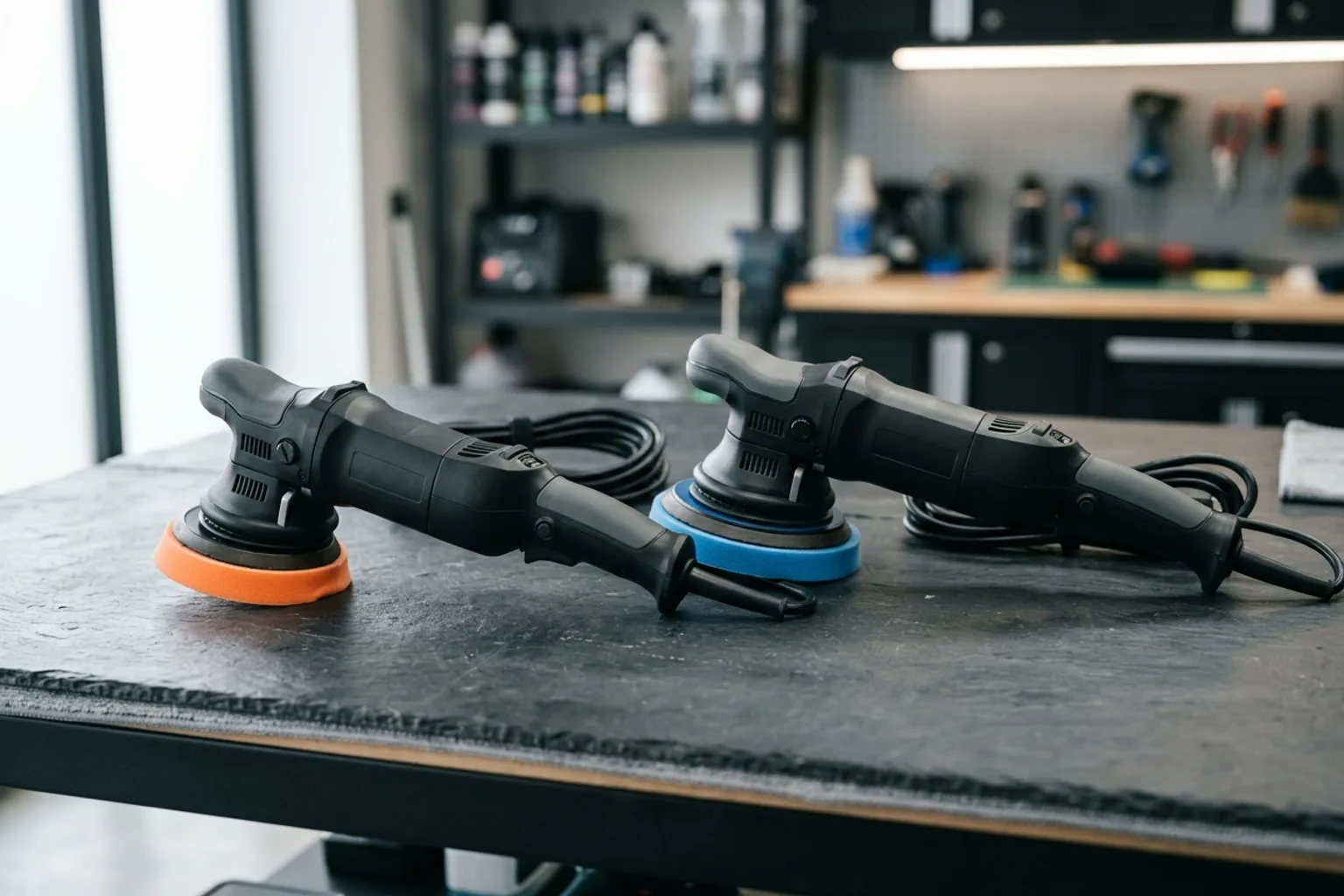
Select the liquid, pad, and machine for their intended roles. RUPES separates Coarse, Fine, and Ultra-Fine pad functions, so the pad is not an interchangeable accessory.
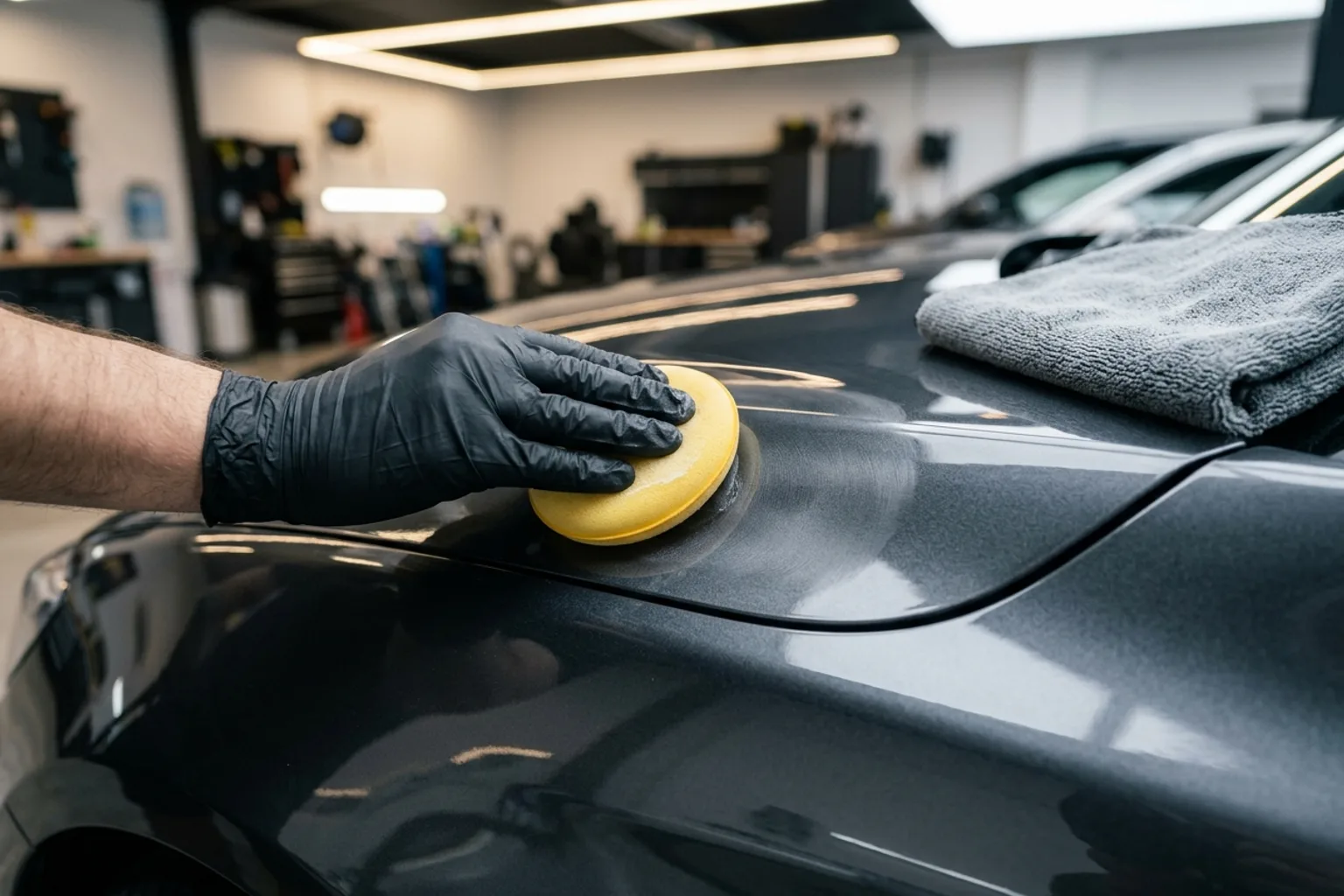
Work a limited area as directed
Follow the current product and equipment instructions for use, inspection, and safety. Keep the area small enough to evaluate rather than turning the test into an entire panel.
Remove residue and inspect
Use the specified residue-removal method and assess both correction and final finish under suitable lighting. Lubricant or oils left behind can obscure the inspection.
Record and decide
Note the combination and outcome. Continue only when the result justifies it, change one variable after reassessment, or stop for professional advice.
Why Not Start With the Strongest Combination?
Starting aggressively can create a finishing requirement before you know whether lighter correction would meet the goal. The conservative purpose of a test area is to find a justified process, not demonstrate maximum cut. If a fine stand-alone polish achieves the target, a coarse stage may add no value.
- Do not use a test spot to experiment on an unidentified coating or special finish.
- Do not evaluate correction before removing product residue as directed.
- Do not change product, pad, speed, pressure, and technique simultaneously and then claim one variable caused the outcome.
- Do not extrapolate a result across repaired or visibly different panels without fresh assessment.
When the Test Says Stop
Stop when the surface response is unexpected, the defect appears unsuitable for polishing, or the process cannot be controlled within product and equipment directions. A test spot is valuable precisely because it creates a stopping point before a larger commitment. Professional inspection is a valid outcome, not a failed detailing session.
Evidence status: researched
RUPES sources support the product-pad system roles. The test-area workflow is conservative practical guidance; no source is presented as having validated DetailRig's exact protocol, and no correction measurements are claimed.
Straight answers
Frequently Asked Questions
Answers based on the evidence and sources identified in this article.
How large should a paint-correction test spot be?
There is no universal dimension in this guidance. Choose a small representative area you can control and inspect under the product and equipment instructions, rather than polishing an entire panel before evaluation.
Does a good test spot guarantee the whole car will respond the same?
No. Repair history and surface condition can differ. Reassess other areas and stop where conditions are uncertain.
Should I inspect before wiping off polish residue?
Remove residue using the product's specified method before judging the final correction and finish. Leftover product can interfere with inspection.
Where to buy
Recommended Gear in this Guide
Active 2.0 1800 PSI 2.0 GPM Pressure Washer
Our lab-tested standard for safe automotive flow and pressure.
DetailRig is reader-supported. Recommendations follow each page's evidence label (tested, used, or researched), and we never accept paid placement. When you buy through our links, we may earn an affiliate commission at no extra cost to you.
References & Sources

DetailRig Editorial
ContributorResearch publication
DetailRig Editorial publishes source-linked car-care explainers. These articles synthesize manufacturer instructions and clearly separate research from documented hands-on testing.