Table of Contents(6 sections)
Correction is not ordinary washing
Compounding and polishing are abrasive surface processes. Identify the finish, follow equipment and product directions, and get professional help when the paint condition or remaining material is uncertain.
The Distinction Is Correction Role, Not Two Isolated Bottles
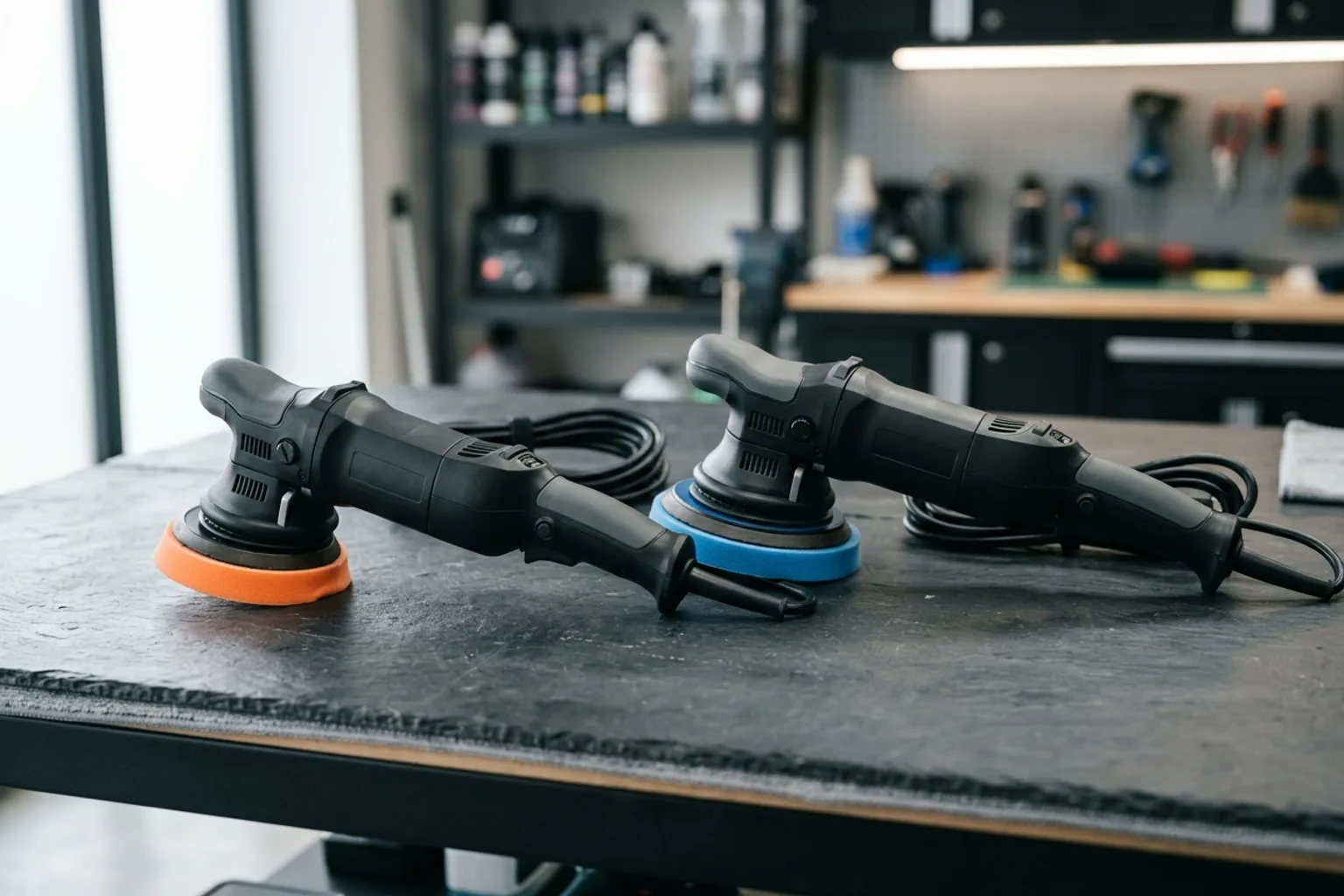
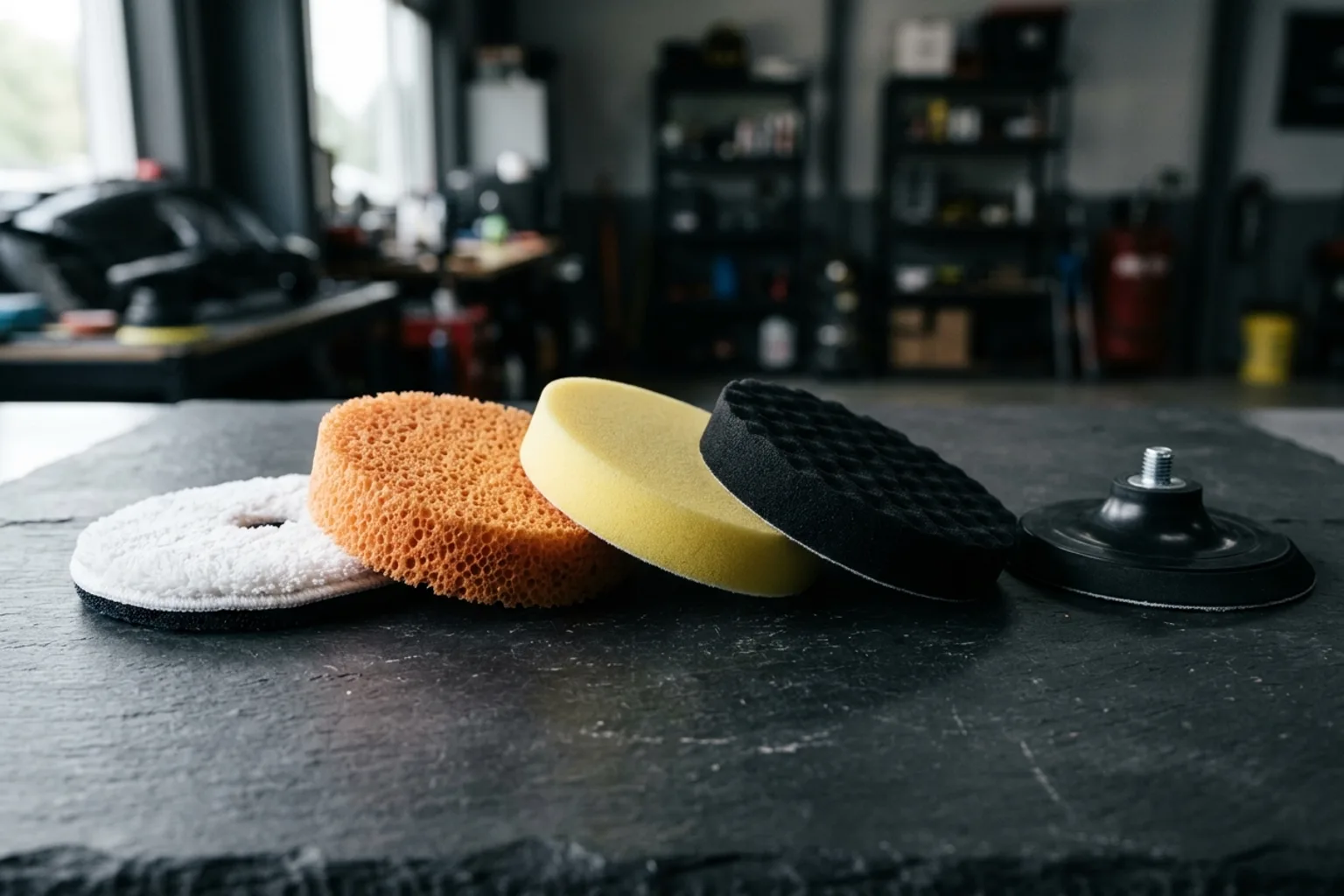
RUPES positions its D-A Coarse compound for heavier cutting and D-A Fine for lighter correction or refinement after Coarse. Its pad range similarly separates coarse, fine, and ultra-fine roles. That system view matters: changing a pad or machine can alter the process even when the bottle stays the same.
| Condition or goal | Conservative starting thought | Reason not to assume |
|---|---|---|
| Heavier defects requiring more cut | Evaluate a coarse product-and-pad combination on a test area | Do not assume the most aggressive option is necessary |
| Light correction | Evaluate a fine product with an appropriate finishing or light-correction pad | Do not compound by default |
| Refinement after cutting | Assess whether a finer second step is needed | Do not assume every surface needs two steps |
| Unknown paint or unclear defect | Stop and identify the surface and condition | Do not experiment across the whole vehicle |
Reasons to Consider a Compound
Consider a heavier-cutting product when inspection and a controlled test establish that the least aggressive finishing approach does not achieve the defined correction goal. The objective is not to remove as much material as possible; it is to achieve the needed result with a justified process. Follow the exact product and equipment directions.
Reasons to Choose Only a Finer Polish
A finer polish can be the rational stand-alone choice when it achieves the desired light correction and finish in testing. RUPES explicitly describes D-A Fine as capable of stand-alone light correction. Skip a separate compounding stage when it adds aggression without a demonstrated need.
- Do not choose by defect visibility under one harsh light alone; inspect and clean the surface appropriately.
- Do not treat every scratch as removable polishing work; some damage needs professional assessment or repair.
- Do not copy another vehicle's pad and liquid combination without considering the surface and equipment.
- Do not continue merely to chase perfection when the agreed finish goal has been reached.
Use a Test Spot to Make the Choice
Choose a correction combination conservatively
5 stepsDefine the outcome
Decide which defects you are trying to improve and what finish is acceptable, rather than promising total defect removal.
Start with a less aggressive plausible system
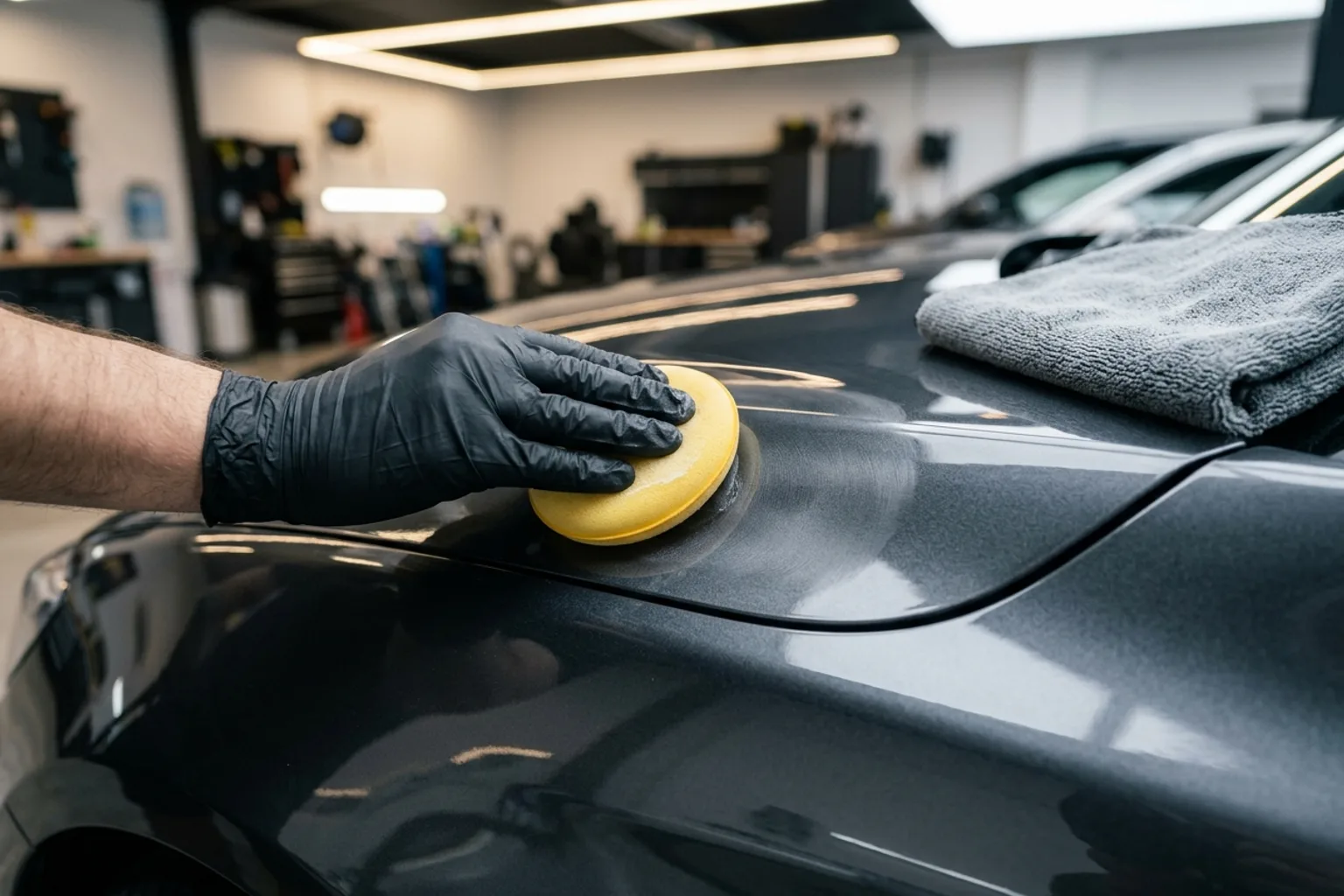
Select a compatible liquid, pad, and machine for a small representative area according to their instructions.
Clean and inspect the result
Remove residue as directed and inspect correction and finish before expanding the process.
Change one variable deliberately
If the goal is not met, reassess the pad, product, technique, or need for professional help rather than escalating several variables blindly.
Decide whether refinement is needed
If cutting achieves correction but leaves a finish that needs improvement, test a finer second step. Otherwise, avoid adding it automatically.
The Practical Answer
Compound versus polish is not an either-or purchase decision for every car. Some jobs need only fine polishing; others need a cutting step followed by refinement; some should not be polished at all. A small, inspected test area gives better evidence than the word “ultimate” on a bottle or an invented cut percentage.
Evidence status: researched
Product roles are attributed to RUPES. The conservative test-area decision process is practical guidance, not a claim that RUPES performed this article's comparison or that DetailRig measured correction rates.
Straight answers
Frequently Asked Questions
Answers based on the evidence and sources identified in this article.
Do I always need compound before polish?
No. RUPES positions D-A Fine as usable alone for light correction or after Coarse. Use only the stages justified by the defect and test-spot result.
Can I use a finishing polish on deeper scratches?
Do not assume every scratch is suitable for polishing. Inspect the damage and get paint-specific advice where the finish or depth is uncertain.
Does the pad matter as much as the liquid?
The pad is a core part of the correction system. RUPES separates coarse, fine, and ultra-fine pad roles, so evaluate the combination rather than the bottle alone.
Where to buy
Recommended Gear in this Guide
Active 2.0 1800 PSI 2.0 GPM Pressure Washer
Our lab-tested standard for safe automotive flow and pressure.
DetailRig is reader-supported. Recommendations follow each page's evidence label (tested, used, or researched), and we never accept paid placement. When you buy through our links, we may earn an affiliate commission at no extra cost to you.
References & Sources

DetailRig Editorial
ContributorResearch publication
DetailRig Editorial publishes source-linked car-care explainers. These articles synthesize manufacturer instructions and clearly separate research from documented hands-on testing.