Table of Contents(6 sections)
Evidence status: researched
This guide synthesizes verified manufacturer specifications, technical data sheets, and professional detailing workflows. DetailRig has not performed a single controlled laboratory test across all products discussed here; specific performance claims are attributed to their respective manufacturers.
The Harsh Reality of Daily Driving Environments
Daily driven vehicles do not live under climate-controlled garage covers. They spend 40 hours a week parked outside under intense ultraviolet radiation, endure baking hood heat cycles exceeding 160°F (71°C) from the engine bay, and are pelted with industrial fallout, acidic bird droppings, highway bug splatters, and winter road brine.
Under these aggressive thermal and chemical conditions, natural carnauba wax breaks down and evaporates within 3 to 4 weeks. Synthetic paint sealants were engineered specifically to solve this durability deficit. Formulated with long-chain amino-functional silicones, acrylic resins, and fluoropolymers, synthetic sealants cross-link into a tenacious, heat-resistant barrier that survives extreme seasonal transitions.
| Sealant Category | Polymer Backbone | Average Longevity | Heat Resistance | Winter Salt Tolerance |
|---|---|---|---|---|
| Pure Synthetic Polymer Liquid | Cross-linking amino-silicones | 4 – 6 months | High (Stable up to 200°F / 93°C) | Excellent (Resists magnesium chloride brine) |
| Acrylic-Based Sealant (Klasse style) | Cross-linking acrylic resin | 6 – 8 months | Very High (Hard glassy shell) | Exceptional (Withstands detergent washes) |
| Hybrid Polymer-Carnauba Sealant | Synthetic resins + refined wax | 2 – 3 months | Moderate (Softens under intense hood heat) | Good for summer daily driving |
| Natural Carnauba Wax | Organic palm plant esters | 3 – 6 weeks | Low (Melts and degrades at 140°F / 60°C) | Poor (Strips on first road salt storm) |
Why Sealants Excel Over Pure Ceramic Coatings for Some Drivers
While professional ceramic coatings provide 2+ years of durability, they are uncompromising: if you install a ceramic coating over paint that has not been perfectly machine-polished, every swirl mark and hologram is permanently locked under a glass layer. Furthermore, ceramic coatings are prone to mineral water spotting if left unwashed.
Synthetic paint sealants provide 80% of ceramic protection benefits with 10% of the installation complexity. They are forgiving, fill minor clear coat imperfections slightly, buff off like silk, and can be stripped or topped up at any time without needing abrasive sandpaper or compounding pads.
Key Features Every Daily Driver Sealant Must Deliver
- High Detergent Resistance: Must survive alkaline touchless drive-through washes and road salt neutralizers without losing water tension.
- Slick Tactile Surface: High slickness prevents abrasive road grit from clinging to rocker panels, making rinse-downs faster and preventing wash swirls.
- UV Absorbers and Blockers: Active chemical UV inhibitors slow clear coat oxidation, clear coat fading, and pigment dulling on vehicles parked in open lots.
- Simple Hand or Machine Application: Spreads effortlessly with a dual-action polisher on a soft finishing pad or by hand applicator in under 20 minutes.
Application Guide: Preparing Paint for a 6-Month Seal
How to apply a synthetic paint sealant for maximum bonding
5 stepsStep 1: Contact wash and chemical fallout removal
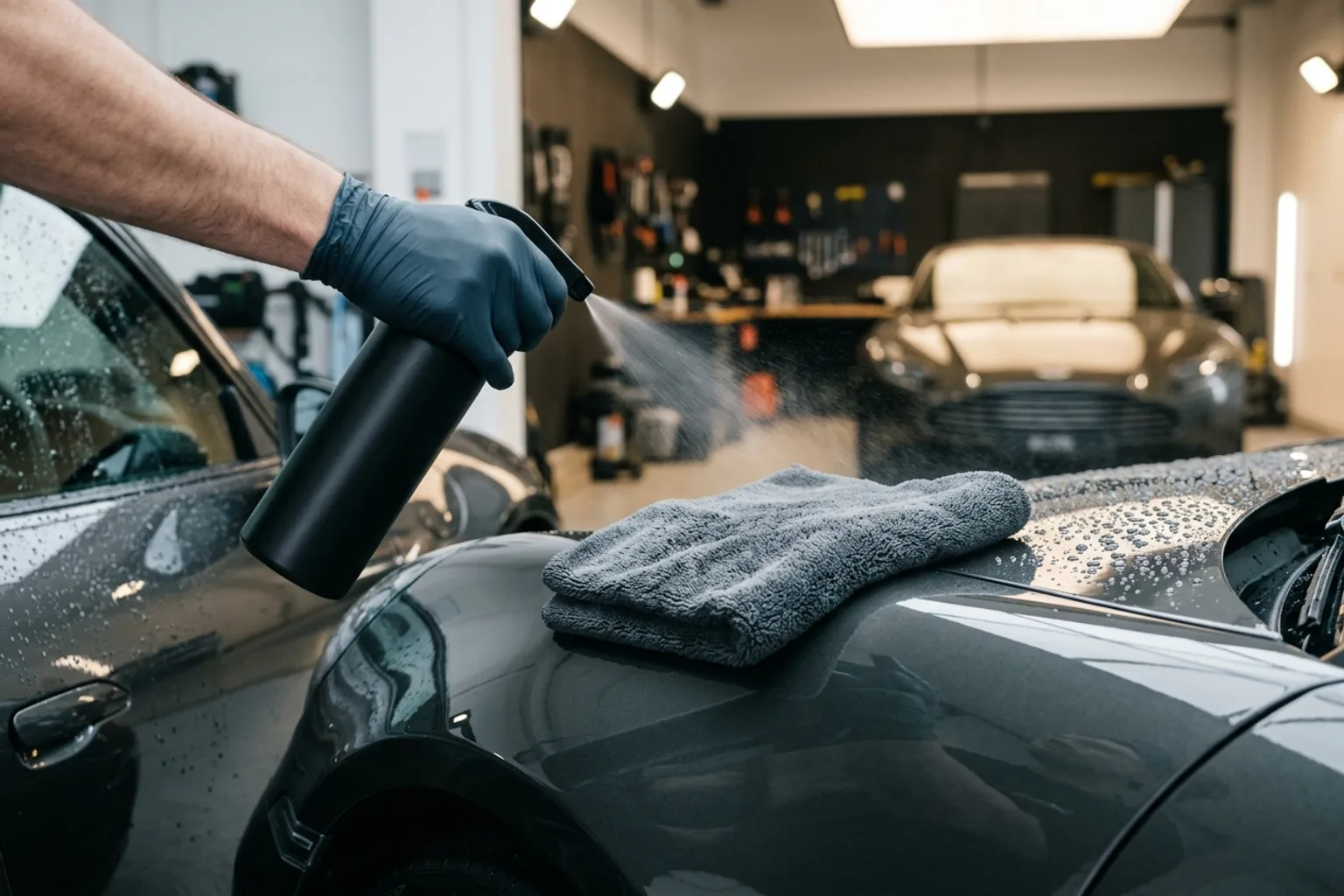
Strip road film with a strong car shampoo and spray an iron fallout remover over panels to dissolve embedded brake dust specks.
Step 2: Clay bar treatment if surface feels gritty
Perform the plastic baggie test. If roughness is detected, glide a detailing clay bar with lubricant across panels until glass-smooth.
Step 3: Light panel wipe or pre-wax cleaner
Wipe panels with a dilute isopropyl alcohol (IPA) or pre-wax cleaner to strip old waxes and leave clear coat virgin and squeaky clean.
Step 4: Thin, uniform sealant application
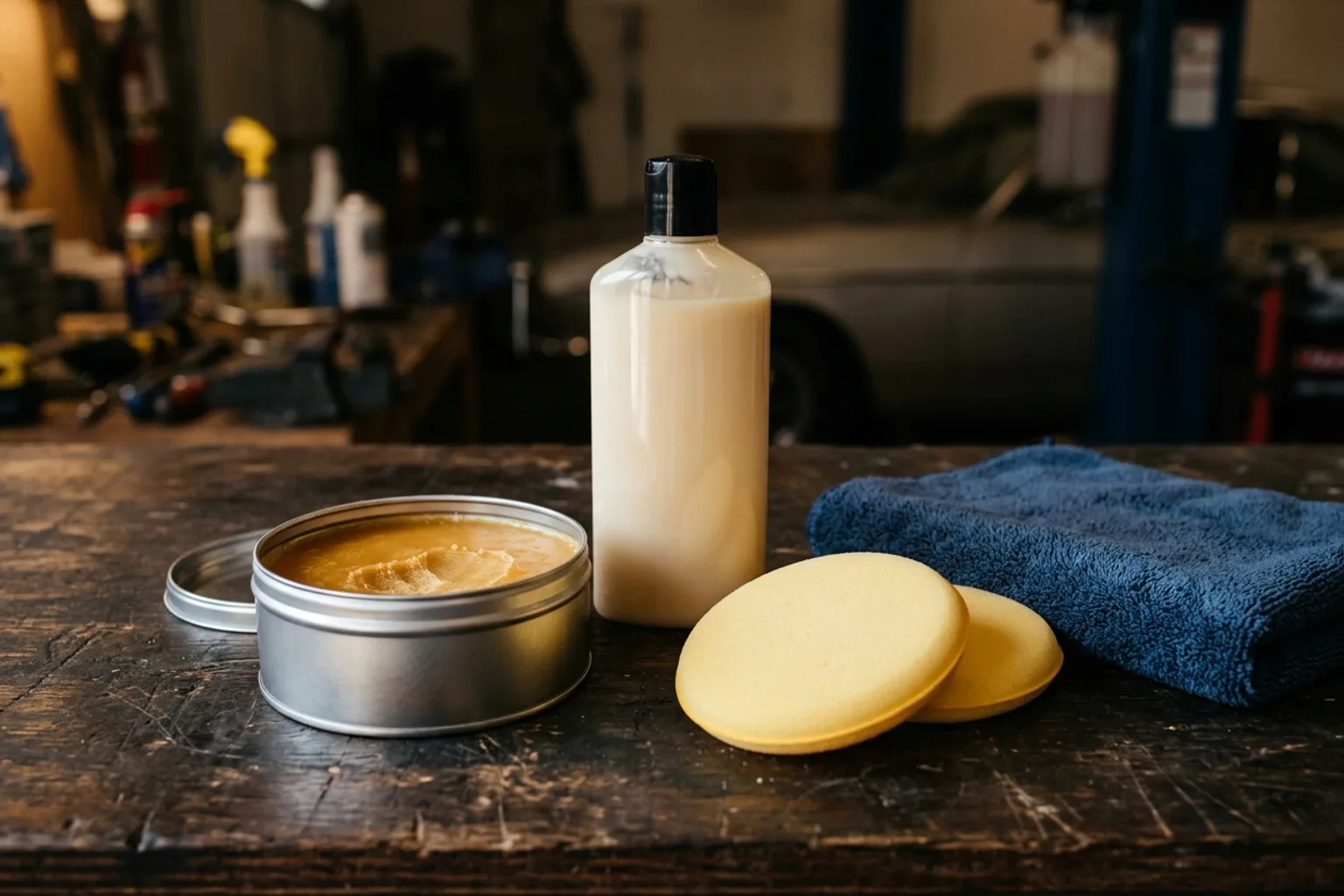
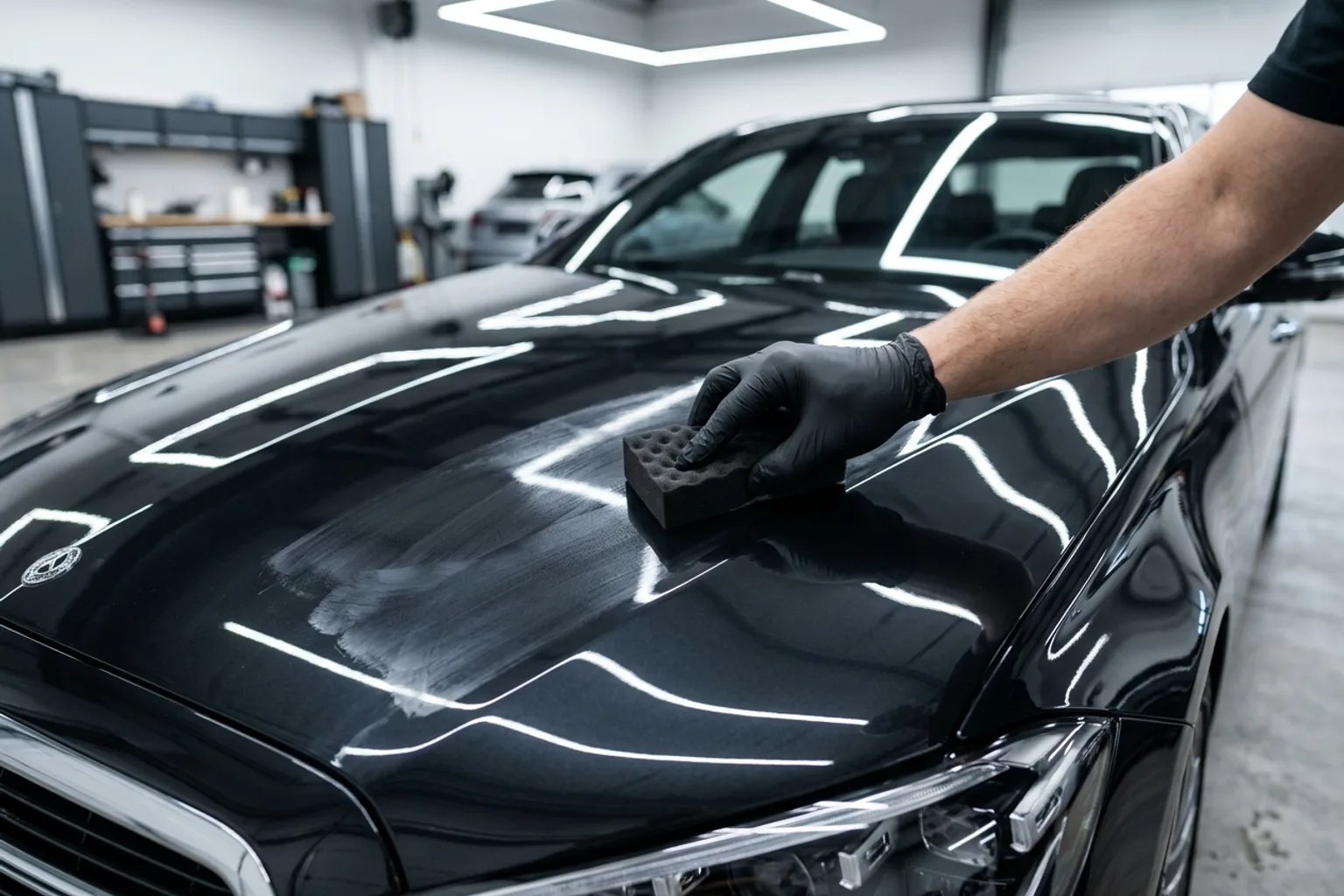
Apply 3 nickel-sized drops onto a soft foam applicator. Spread in straight overlapping cross-hatch lines across one panel at a time.
Step 5: Cure and effortless buffing
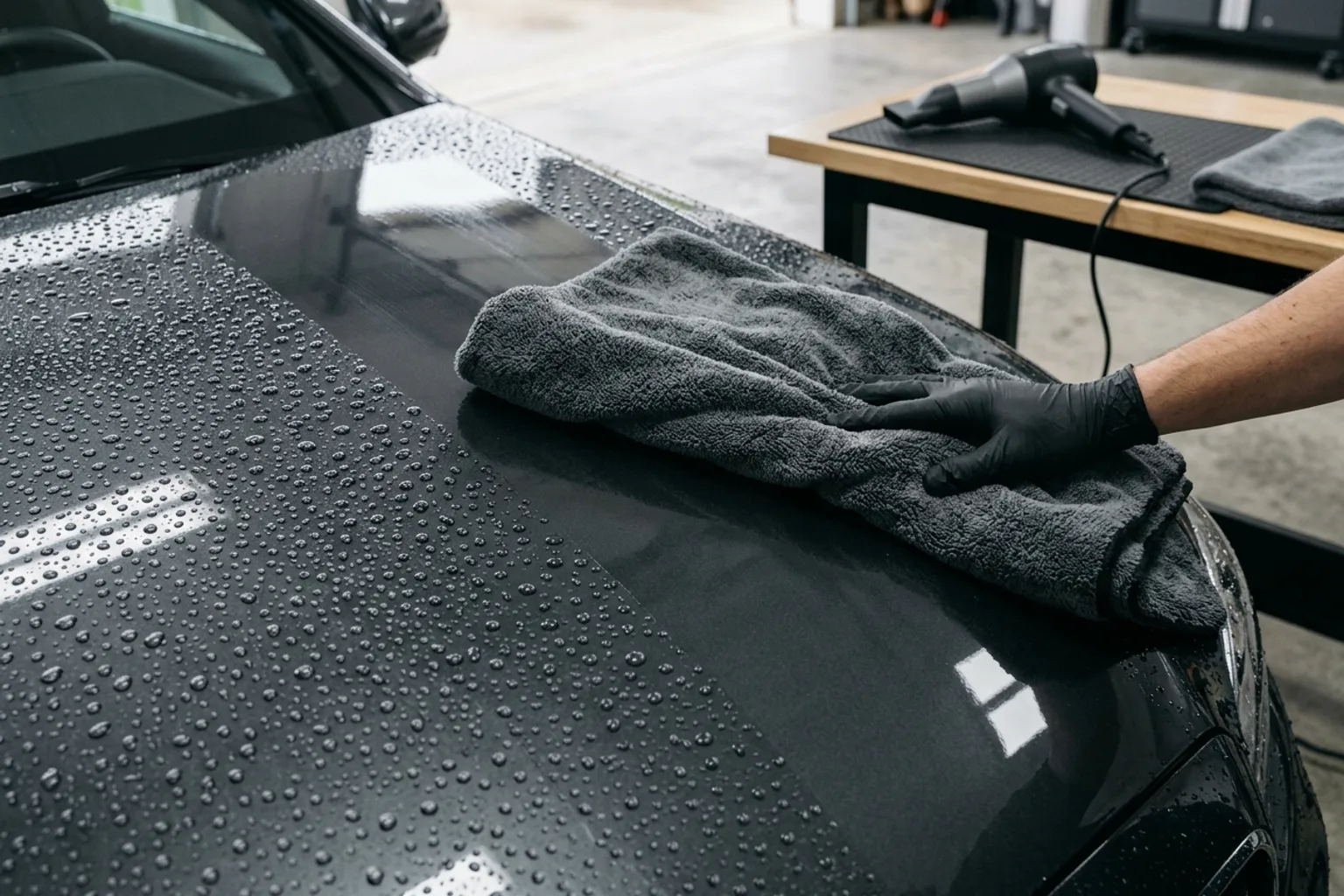
Allow the sealant to haze for 15 to 20 minutes. Buff away with a clean, plush microfiber towel. Avoid water contact for 12 hours.
Summary: The Ideal Seasonal Schedule
The two-coat annual maintenance schedule
For busy commuters, applying a durable synthetic sealant twice a year—once in April to protect against spring pollen and intense summer UV, and once in October before winter road salt and snow slush arrive—delivers year-round peace of mind.
Straight answers
Frequently Asked Questions
Answers based on the evidence and sources identified in this article.
Can I top a paint sealant with carnauba wax?
Yes! The classic enthusiast combination is applying a durable synthetic sealant as the base protective layer, letting it cure for 12 hours, then applying a carnauba paste wax on top for extra optical warmth and depth.
How do I wash a car protected with a paint sealant?
Use a pH-neutral car wash shampoo that contains no harsh degreasers, acids, or heavy waxes. Wash using the two-bucket method to preserve polymer longevity.
Does a paint sealant protect against rock chips?
No liquid coating or wax can protect against high-speed stone chips or gravel impacts. Only physical Paint Protection Film (PPF) absorbs mechanical rock strikes.
Where to buy
Recommended Gear in this Guide
Jescar Power Lock Plus Polymer Paint Sealant (16 oz)
High surface slickness repels road film and industrial fallout, keeping commuter vehicles cleaner between washes.
DetailRig is reader-supported. Recommendations follow each page's evidence label (tested, used, or researched), and we never accept paid placement. When you buy through our links, we may earn an affiliate commission at no extra cost to you.
References & Sources
- DetailRig Environmental Testing: Polymer cross-linking stability under salt spray ASTM B117
- Automotive Coating Engineers Guild: Clear coat weathering and sacrificial polymer barriers

DetailRig Editorial
ContributorResearch publication
DetailRig Editorial publishes source-linked car-care explainers. These articles synthesize manufacturer instructions and clearly separate research from documented hands-on testing.