Table of Contents(6 sections)
Do not use ozone as a casual air freshener
EPA states that ozone can harm health and that no federal agency approves ozone generators for use in occupied spaces. This article does not provide occupied-space ozone treatment instructions.
Why Fragrance Alone Does Not Solve Smoke Odor
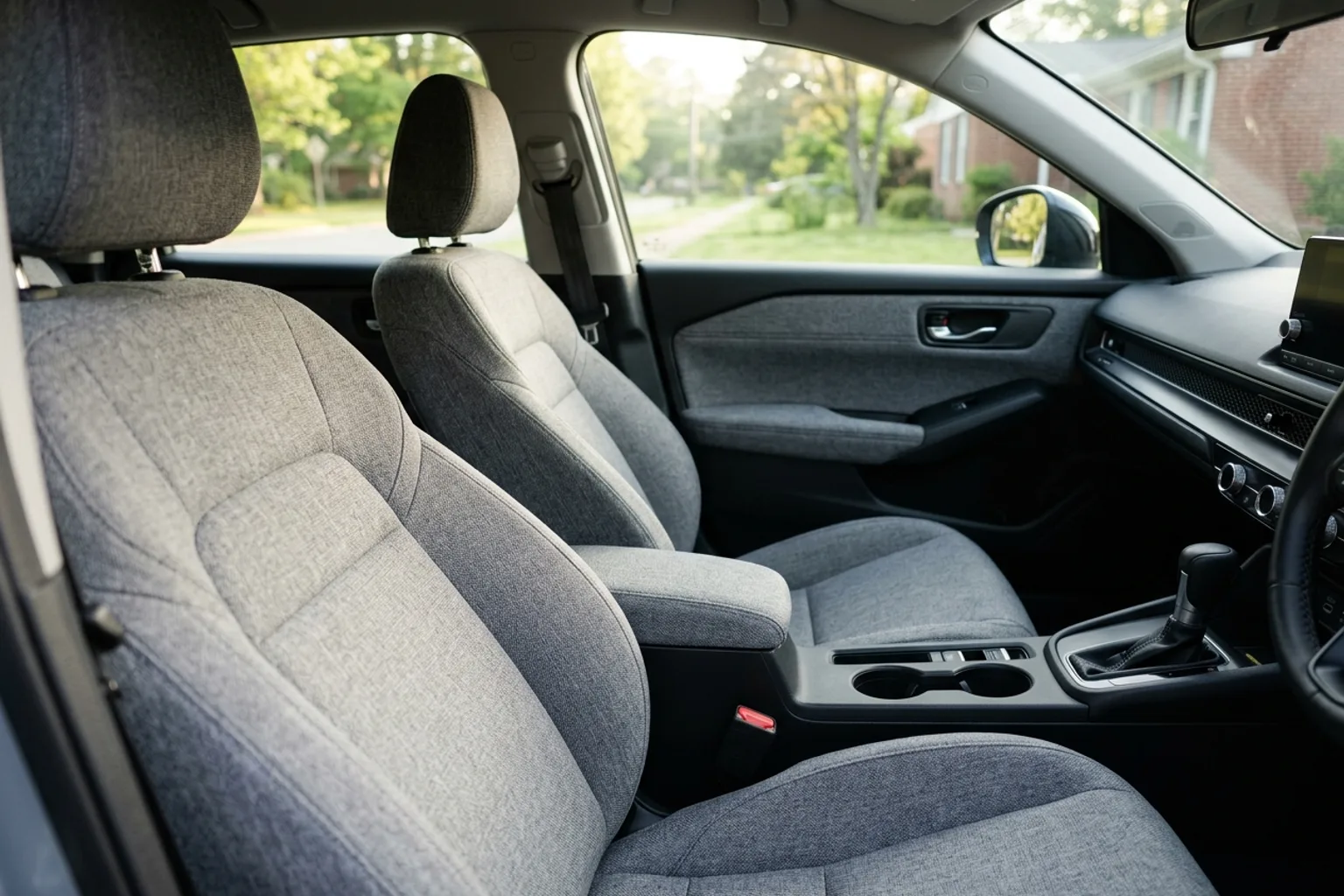
A fragrance can change what you notice without removing ash or residue. Smoke odor may be distributed across fabric, carpet, headliner, and other interior surfaces, so a single spray on the seats is not a complete diagnosis. Start with a clean-out and a map of where contamination is concentrated.
The age and extent of contamination matter, and a heavily affected vehicle may not become odor-free with one cleaning. Set the goal as measurable source removal and reassessment, not an unconditional deodorizing promise.
| Area | What to do first | Limit to respect |
|---|---|---|
| Loose ash and debris | Remove and vacuum without spreading residue | Do not blow contamination through the cabin |
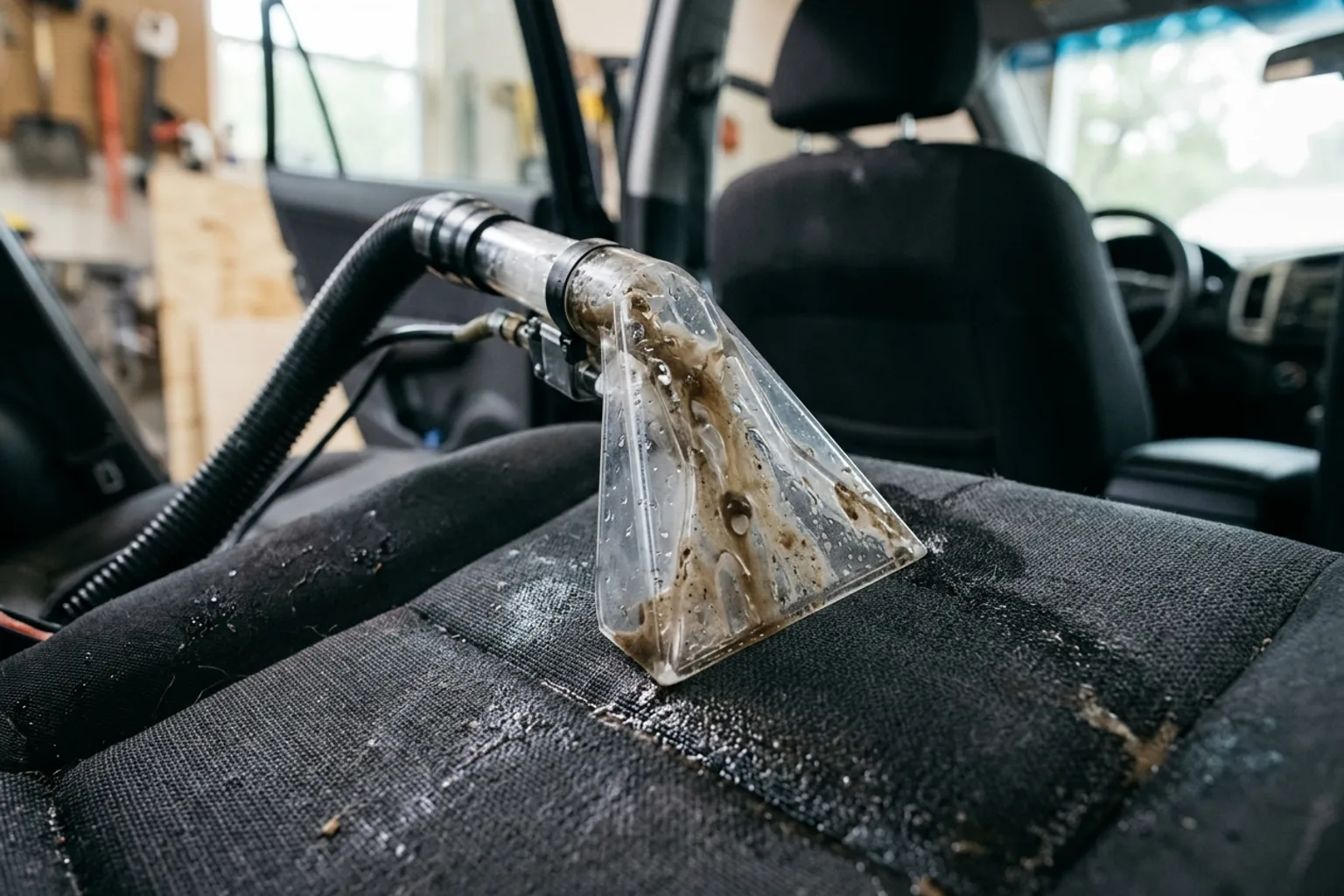
| Carpet and fabric seats | Vacuum, then use a compatible upholstery process | Avoid overwetting and remove cleaner residue |
| Headliner | Check OEM directions and use a low-moisture approach | Do not saturate the ceiling liner |
| Hard interior surfaces | Use material-appropriate cleaning | Displays and controls have separate restrictions |
| Persistent whole-cabin odor | Consider professional assessment | Masking fragrance is not proof of removal |
A Source-First Cleaning Sequence
Reduce smoke odor through cleaning
5 stepsClear and contain
Remove ash, contaminated removable items, and debris. Bag waste rather than moving it across clean upholstery.
Vacuum methodically
Work seats, carpet, crevices, and other affected areas with suitable tools. Avoid raising dust into the breathing zone.
Clean by material
Use vehicle-approved and label-compatible products for fabric, carpet, leather, headliner, glass, and hard trim. Do not use one aggressive cleaner everywhere.
Remove residue and dry
Follow each product's removal directions and let upholstery dry thoroughly. BISSELL's interior guide likewise emphasizes vacuuming, suitable upholstery cleaning, excess-moisture removal, and air drying.
Ventilate and reassess
Use practical fresh-air ventilation where conditions permit, then reassess after the interior is dry. Persistent odor needs further source investigation rather than a stronger cover scent.
What Does EPA Actually Say About Ozone?
EPA explains that ozone generators produce a reactive gas and that ozone can harm health. It also says that at concentrations not exceeding public-health standards, ozone is generally ineffective against many odor-causing chemicals. The agency does not approve ozone generators for occupied-space use. These are reasons not to turn a consumer device into an unsupervised cabin treatment based on marketing alone.
When to Bring in a Professional
- Contamination is extensive or has accumulated over a long period.
- Odor remains after careful source removal and complete drying.
- Upholstery, headliner, or sensitive materials require specialized handling.
- You are considering any advanced remediation process and need its safety controls, limitations, and re-entry requirements explained.
Evidence status: researched
This article summarizes EPA ozone guidance and general interior-cleaning principles. DetailRig has not measured odor concentration, ozone exposure, or remediation outcomes.
A Realistic Standard for Success
Success means less source material and less odor after the vehicle is clean and dry, without damaged materials or unsafe exposure. Some vehicles may require repeated material-specific work or professional remediation. Do not label a car odor-free solely because a fragrance or device smell is present.
Straight answers
Frequently Asked Questions
Answers based on the evidence and sources identified in this article.
Will an ozone generator remove all smoke smell?
No universal result should be expected. EPA warns about health risks and notes limited effectiveness against many odor chemicals at concentrations within public-health standards. Source removal remains central; extensive cases need professional assessment.
Do air fresheners remove cigarette residue?
No. They may mask or alter the perceived odor but do not vacuum ash, clean upholstery, or remove contaminated residue.
Should I replace the cabin air filter?
Check the vehicle maintenance guidance and the filter's condition as part of a broader inspection. A filter change alone should not be presented as removing smoke residue from seats, carpet, and headliner.
Where to buy
Recommended Gear in this Guide
Active 2.0 1800 PSI 2.0 GPM Pressure Washer
Our lab-tested standard for safe automotive flow and pressure.
DetailRig is reader-supported. Recommendations follow each page's evidence label (tested, used, or researched), and we never accept paid placement. When you buy through our links, we may earn an affiliate commission at no extra cost to you.
References & Sources

DetailRig Editorial
ContributorResearch publication
DetailRig Editorial publishes source-linked car-care explainers. These articles synthesize manufacturer instructions and clearly separate research from documented hands-on testing.